Skip to content
You can now search across every topic, entity and event.What's new
Iran Conflict 2026
31JUL

Drone strike shuts Kapotnya near Moscow

3 min read
09:24UTC

Ukraine's drones shut Moscow's Kapotnya refinery on 18 June, the plant that supplies 40% of the capital region's fuel, and Russian air defences scrambled 555 drones in response.

ConflictDeveloping
Key takeaway

Striking a refinery ten miles from the Kremlin pushed fuel rationing into Russia proper.

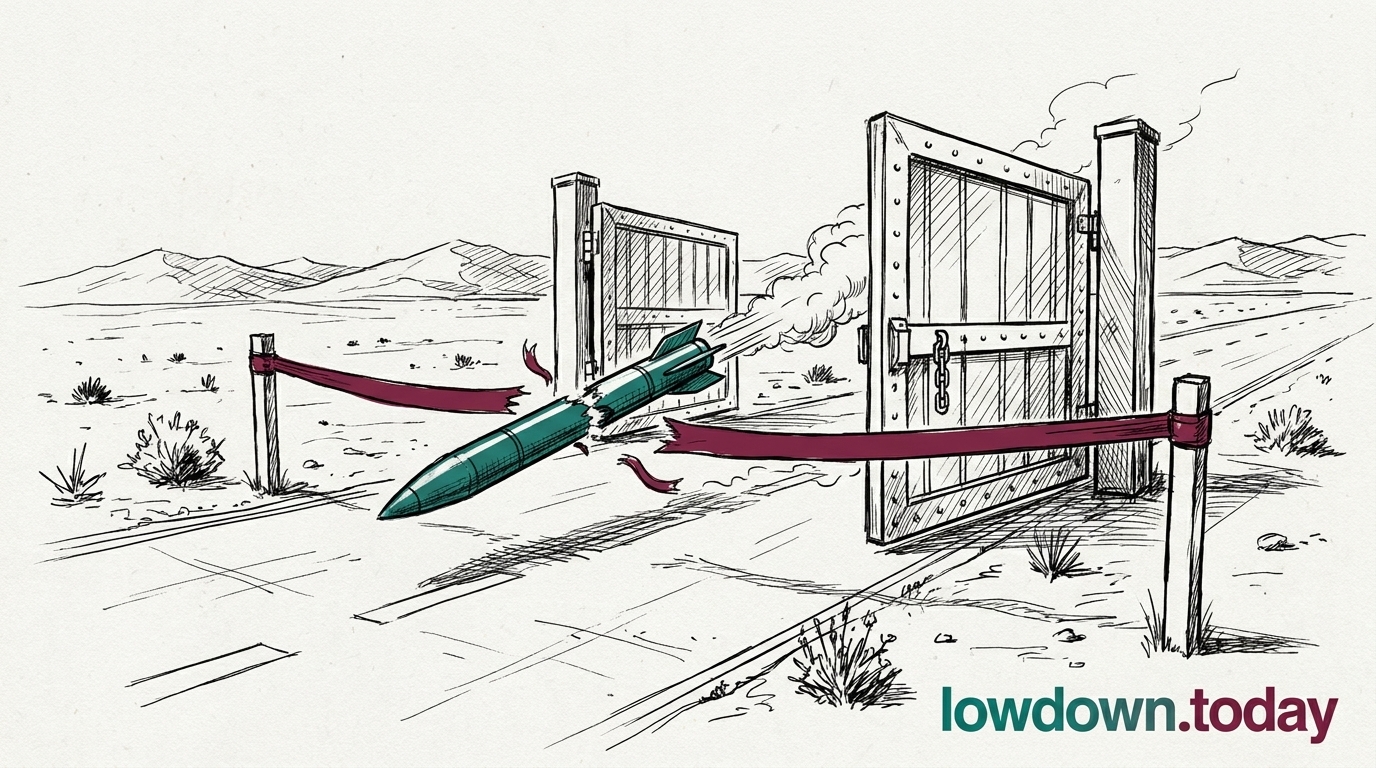
Ukrainian drones struck the Kapotnya refinery in south-east Moscow on 18 June, forcing a shutdown at the plant that supplies about 40% of the Moscow region's fuel 1. Russian air defences met the attack by scrambling roughly 555 drones, the saturation response of a capital unused to deep strikes. Kapotnya sits ten miles from the Kremlin, yet the consequences of its halt are now showing up thousands of miles away.

The refinery matters for what it makes, not where it sits. Forecourts are filled by refining throughput, the rate at which crude is turned into petrol and diesel, and not by crude export volume. Knock out a plant carrying two-fifths of a region's supply and the shortage spreads down the distribution chain. Crimean drivers had already been capped at 20 litres a week after the Chonhar bridge strike ; within days of Kapotnya, rationing crossed into Russia proper.

The sanctions plumbing that sets the crude price, the lapsed waiver and the shadow-fleet listings, belongs to a separate ledger and ran in parallel . What changed on 18 June was narrower and more visible: Russian motorists, not Russian budget lines, felt the strike. Through 2025, RUSI-cited analysis had put 130 Ukrainian oil strikes at a 6% export cut, a rounding error against revenue. Kapotnya converted that marginal nuisance into a queue at the pump.


Deep Analysis

In plain English

Russia buys and sells crude oil, but what fills petrol stations is refined fuel, produced at refineries that turn crude into petrol and diesel. Ukraine struck Kapotnya, the refinery closest to Moscow, on 18 June. That single plant supplies about 40% of the fuel used by people in and around Moscow. When Kapotnya stopped working, there was not enough petrol to go round, so regional governments started limiting how much each driver could buy. The shortage has nothing to do with Russia running out of oil underground: it is about the factories that convert oil into fuel being hit, not the oil fields themselves.

Deep Analysis
Root Causes

Russia's domestic fuel supply depends on a small number of large refineries serving regional distribution networks. Kapotnya's concentration of 40% of Moscow-region refining in a single Soviet-era plant reflects a planning structure that was never redesigned for a threat from the east. No meaningful dispersal of refining capacity occurred after 2014.

The 555-drone air-defence response to the 18 June strike demonstrates a second structural cause: Russia's layered air-defence system was designed around long-range ballistic threats, not low-altitude drone swarms operating in high volume. Scrambling 555 drones to intercept the attacking force is consistent with a saturated point-defence model that trades interception rate for magazine depth.

Escalation

Escalatory: striking a refinery ten miles from the Kremlin signals that no fixed infrastructure within Russia's European territory is beyond reach. The 555-drone air-defence response indicates Moscow considers the threat serious enough to exhaust point-defence resources over a single raid.

What could happen next?
  • Consequence

    Russia will face pressure to extend or expand its gasoline export ban as domestic rationing spreads beyond 15 regions.

    Short term · Assessed
  • Risk

    Sustained Kapotnya outage will deepen regional fuel shortages in Moscow Oblast, potentially requiring emergency reserve releases that draw down strategic stockpiles.

    Immediate · Reported
  • Precedent

    A strike within 10 miles of the Kremlin against critical civilian infrastructure establishes a new threshold for Ukrainian drone operations inside Russia.

    Long term · Assessed
First Reported In

Update #21 · Ukraine's drones reach Russia's petrol pumps

Kyiv Independent· 24 Jun 2026
Read original
Different Perspectives
Shipping and insurance underwriters
Underwriters can price Houthi strikes because the group announces its targets, but an unclaimed drone at Damietta and a mandatory Iranian insurance scheme both deny them a pattern to price against. War-risk premiums are increasingly being set by the absence of a claimant, not the scale of the damage.
Jordan
Jordan
Azraq absorbed its fourth Iranian strike in seven weeks, again drawing no direct Jordanian retaliation, only an American one. Amman's exposure, hosting US basing without the Patriot density of Gulf allies, has not changed even as the war around it widens.
Houthi movement
Houthi movement
The Houthis' 20 July blockade of Saudi-linked shipping is the injury Riyadh's new 43-nation coalition directly answers, yet the group itself was never asked to join and remains outside every proposal on the table. Sanaa-aligned commentators call the coalition a paper reassurance for insurers rather than a deployable force.
Egypt's Cabinet
Egypt's Cabinet
Egypt confirmed the Damietta blaze was an attack, not an accident, on soil the war had never touched before. Cairo now faces an unclaimed threat to a facility supplying roughly 7% of its domestic gas, with no author to hold accountable and no pattern yet to defend against.
Oman
Oman
Muscat is running the only channel Iran will use, a voluntary Hormuz fee modelled on Malacca, but stayed out of Saudi Arabia's new naval coalition entirely. Oman's mediating leverage depends on treating Hormuz as shared and non-exclusive, the opposite of what Tehran is now demanding of it.
Iraq's Prime Minister
Al-Zaidi cancelled his first official Riyadh visit and convened the Coordination Framework, the coalition that keeps him in power and whose factions sit inside the PMF that Saudi jets just struck. He is caught between a five-year Saudi investment relationship and armed groups inside his own state he does not fully control.



