Skip to content
You can now search across every topic, entity and event.What's new
Iran Conflict 2026
23JUL

12,300 Targets Struck; Strait Still Closed

2 min read
19:27UTC

The US has fired more Tomahawk missiles than in any campaign in history and destroyed 155 Iranian vessels. The Strait of Hormuz remains shut.

ConflictDeveloping
Key takeaway

Record-breaking bombing has not shifted Iran's posture or reopened Hormuz.

CENTCOM reported on 1 April that US forces have struck over 12,300 targets and fired 850 Tomahawk cruise missiles in Operation Epic Fury, the most in any single US campaign in history 1. 155 Iranian vessels have been destroyed. B-52 bombers now fly overland inside Iran , a transition from the standoff-only strikes of the war's first 30 days.

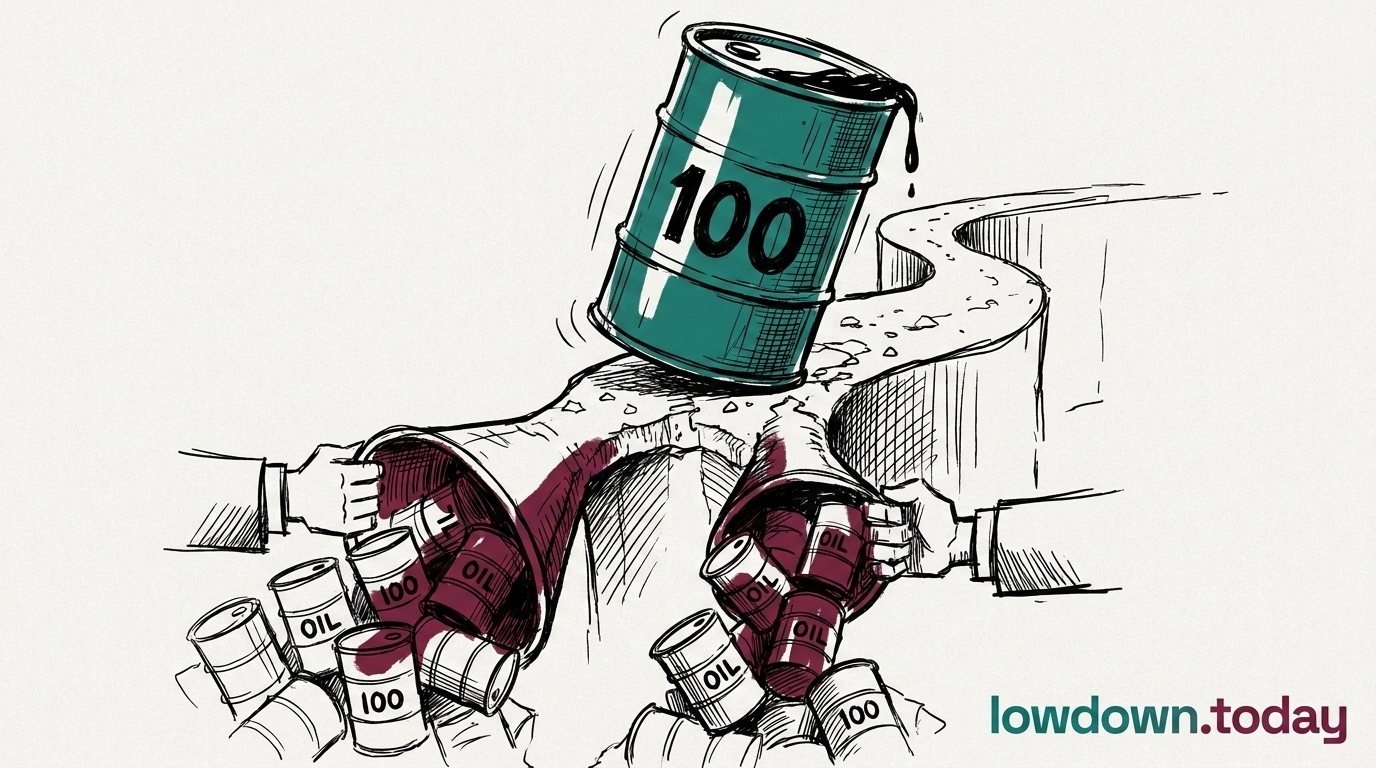
The numbers are imposing. The outcome is not. Hormuz remains closed. The toll system operates . Eleven vessels transited on 31 March, 93% below the pre-war baseline 2. ACLED concludes that 'full capitulation remains unlikely' and 'the only clear path to decisive victory would be a change of government' 3. Heavy bombing has reinforced Iran's siege mentality rather than breaking it.

CSIS counts 850 Tomahawks expended 4. The US Navy's total Tomahawk inventory before the war was approximately 4,000. At current consumption, the stockpile question joins Israel's Arrow-3 depletion as a constraint on sustained operations.

Deep Analysis

In plain English

The US has now struck more targets and fired more cruise missiles than in any war in American history. It has also destroyed 155 Iranian naval vessels. Despite all of this, the Strait of Hormuz is still closed. The question this raises is whether more bombing will change the outcome. The evidence so far says no: Iran is firing fewer missiles per day than at the war's start, but it has not changed its fundamental position.

Deep Analysis
Root Causes

The bombing has not changed Iran's strategic calculus because the campaign was designed around target categories, not political outcomes. CENTCOM is striking what it can locate and destroy; Iran's decision to keep Hormuz closed resides in a small number of IRGC commanders whose locations are either unknown or protected by anticipated US domestic opposition to decapitation strikes.

Russia's provision of satellite imagery showing US warship and aircraft locations increases Iran's ability to absorb the campaign by reducing tactical surprise. An adversary that knows where your aircraft are cannot be coerced by those aircraft in the same way as one operating without that intelligence.

The 850 Tomahawk expenditure rate also matters structurally. At pre-war inventory of roughly 4,000, the campaign has consumed 21% of the total supply in 34 days. The US cannot sustain current strike rates indefinitely without accepting munitions constraints that will become visible to Iran and its partners.

First Reported In

Update #55 · The Last Door Closes

Irish Times / Majorca Daily Bulletin· 2 Apr 2026
Read original
Different Perspectives
India
India
India buys more Saudi crude than any other country and has 2.5 million nationals working in the kingdom, so a $100 Brent and a live strike on Saudi tankers reach New Delhi through both fuel bills and remittance risk. Neither channel has an alternative route the way Saudi Arabia's own pipeline does.
Qatar
Qatar
Qatar co-authored the four-mediator ten-day ceasefire proposal alongside Egypt, Pakistan and Oman, centred on resuming Hormuz navigation, while separately pursuing its dated compensation claim against Iran at the UN Security Council filed on 21 July. Doha is mediating and litigating in the same week.
Israel
Israel
Israeli intelligence, reported by the Wall Street Journal, assesses Iran moved thousands of centrifuges and part of its roughly 440kg enriched-uranium stock into Pickaxe Mountain after the June 2025 strikes on its three main nuclear sites. Some of the US refuelling aircraft now deploying to the region are bound for Israeli bases and Ramon Airport.
Houthis
Houthis
Yahya Saree announced the missile and drone strikes on the Encelia and Layla on 22 July as enforcement of the embargo his forces had declared by radio warning alone two days earlier. Six vessels already turned back on the broadcast; the strike shows Houthi forces will use weapons once warnings stop working.
Saudi Arabia
Saudi Arabia
Saudi Arabia's state news agency confirmed only a fire on the Encelia's bow, with the crew safe; the Layla strike remains unconfirmed by Riyadh. The kingdom built its Petroline pipeline specifically to bypass Hormuz through the Red Sea, so the tanker fire lands on the route Riyadh had already spent billions escaping.
United States
United States
Washington is weighing both ten-day proposals but wants a longer truce than either offers, and moved F-16 and F-35 jets plus refuelling aircraft into the region while it decides. That deployment, not Trump's Pickaxe Mountain remarks, is the measurable US action, buying options for the day talks fail rather than betting on them.