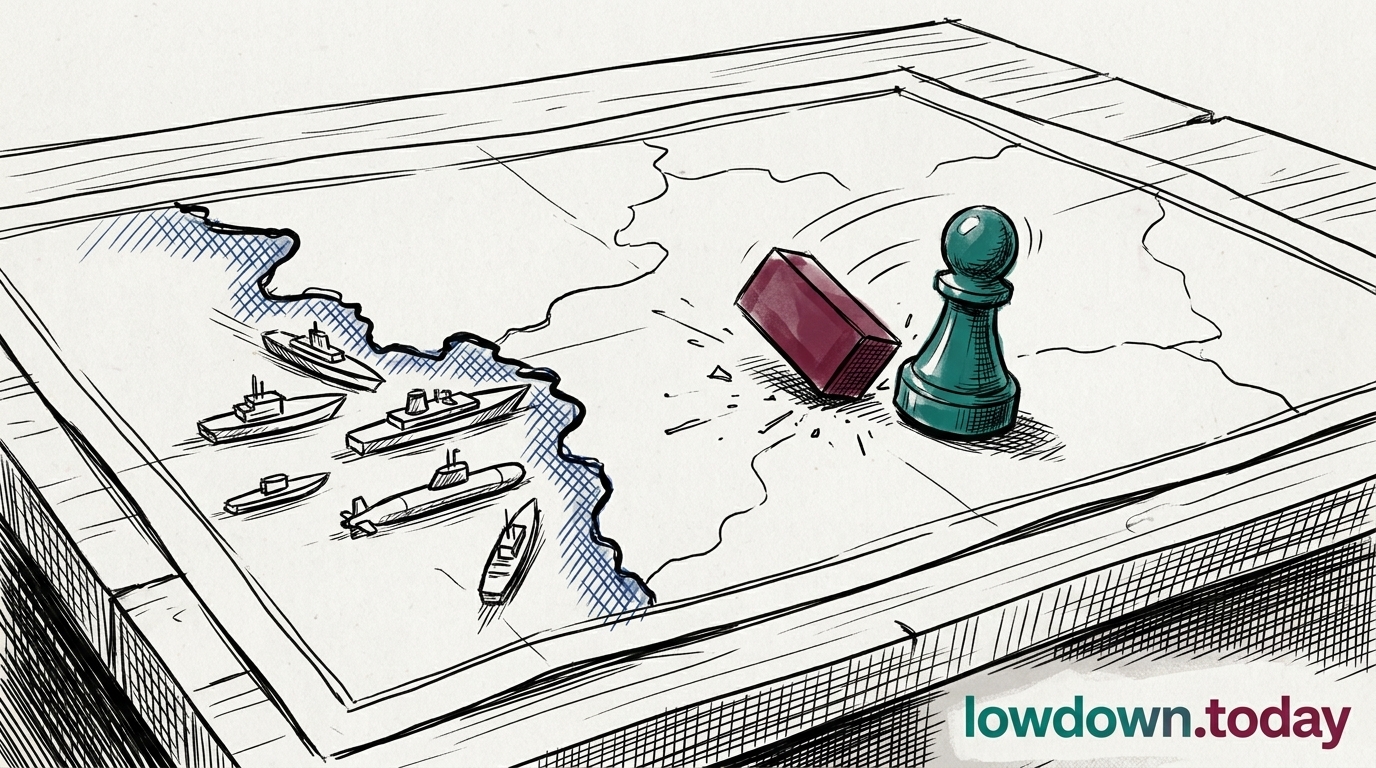
US forces struck two locations near Ahvaz in the early hours of Sunday 19 July, along with a water pumping station in south-western Khuzestan province1. Ahvaz is the provincial capital, a city of more than a million people close to the Iraqi border and to Iran's oil heartland, and it lies several hundred kilometres from the Gulf coastline where the campaign had until this week confined itself.
That confinement mattered. For most of the war CENTCOM (US Central Command) hit ports, islands, refineries and naval assets, targets reachable from the sea and defensible as counter-maritime work. The first inland strikes, on Ahvaz and Yazd on 17 July, read at the time as a single signal. A second wave two nights later, on the eighth consecutive night of bombardment, makes it a pattern rather than a warning shot.
Striking a water pumping station alongside them changes the target class as well. Pumping infrastructure is not air defence, not missile production and not naval capability, which is what earlier waves went after when they worked over Bandar Abbas, the Abadan refinery and the Gulf islands. Neither Washington nor Tehran has published a targeting rationale for the pumping station, and CENTCOM has not itemised Sunday's aim points.



