Brent Crude closed Wednesday at $91.98, up 4.76%. WTI closed at $87.25, up 4.55%. By Thursday pre-market, WTI pushed to approximately $95 — 9% above Wednesday's open. Since 27 February, when Brent traded at $67.41, the war has driven a 41% price increase in under two weeks.
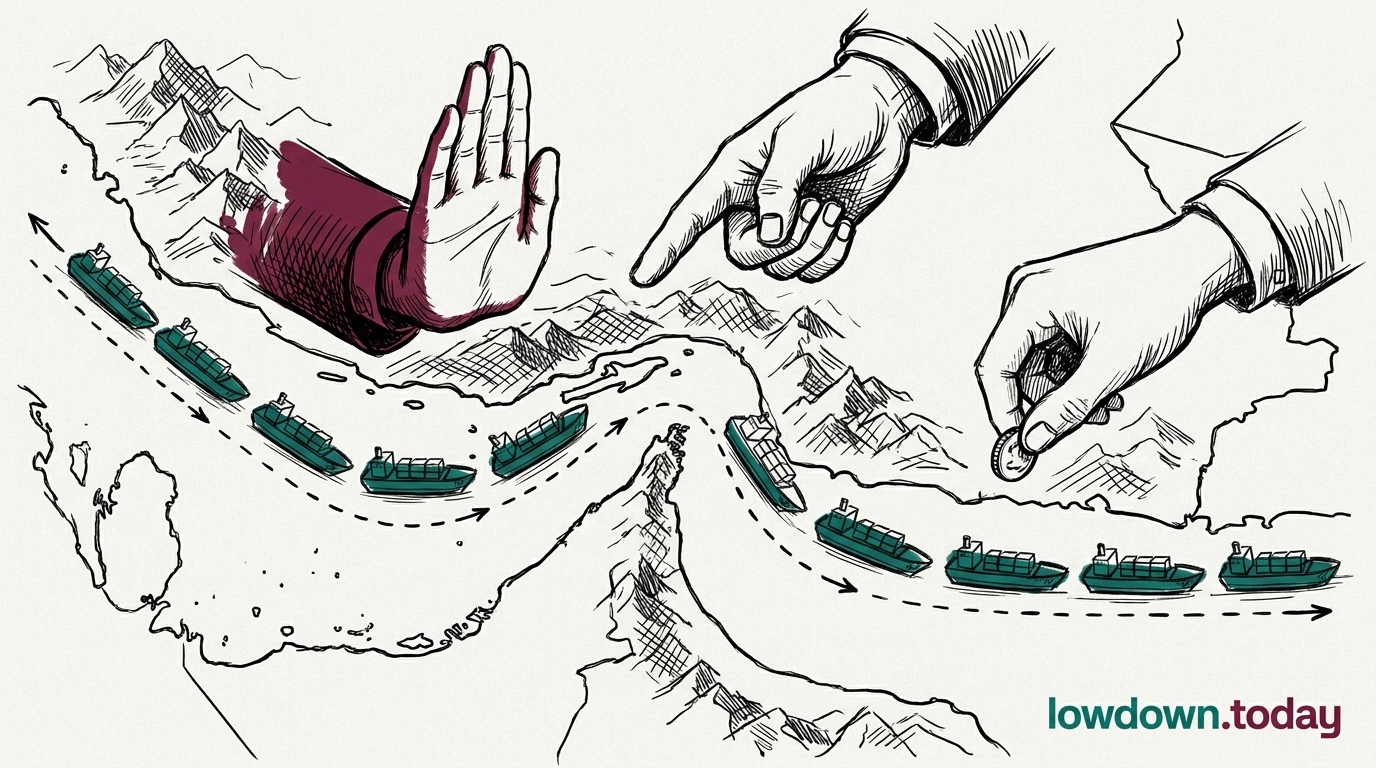
The price has moved through three phases. The first was panic: Brent spiked to $119.50 on Day 10, driven by the largest single-day percentage gains since late 1988. The second was relief: Trump's public prediction that the war would end "very soon" and profit-taking on overcrowded long positions triggered a $30 intraday reversal — the market briefly priced in a short war. The third phase is recalibration. Prices have settled into the $90–95 corridor, which represents the market's revised consensus: the war continues, Hormuz remains functionally closed to most traffic, and neither strategic reserves nor diplomacy have altered the supply picture. A spike to $119 and back reflects a single session's fear. A corridor sustained across multiple sessions at $90–95 reflects settled judgement that supply will remain constrained.
The $90–95 range carries specific consequences for economies that import the majority of their energy. South Korea — which triggered its second market circuit breaker in four sessions when prices were spiking — imports virtually all its crude. Sustained $95 oil threatens a current account reversal for an economy already managing semiconductor-cycle weakness. India, the world's third-largest oil importer, will see its fuel subsidy bill expand at these levels, widening a fiscal deficit the government had been working to narrow. Japan, importing roughly 90% of its energy, faces equivalent cost pressure against a weakening yen. For European economies that fell 2–3% on energy-war fears before the worst of the rally, a sustained $90–95 corridor means the energy-driven inflation they spent 2022–2024 unwinding returns through the same transmission channel: imported fuel costs feeding into transport, manufacturing, and food prices.
The weekly gains are already the largest in the history of US crude futures dating to 1983. The question is no longer whether oil returns to pre-war levels — it will not while the strait is contested — but whether it stabilises below $100 or breaches it on sustained volume. Qatar's energy minister issued his $150 warning when Brent traded at $92.69. It now stands at $91.98, with the IEA's record reserve release already absorbed. The gap between current prices and $100 — at which point central banks in Seoul, New Delhi, and Tokyo would face pressure to intervene — is narrow enough that a single additional supply disruption could close it.


