Skip to content
You can now search across every topic, entity and event.What's new
Iran Conflict 2026
18JUN

Karaj bridge toll rises to thirteen

2 min read
10:02UTC

The US struck an unfinished highway bridge during Iran's most beloved outdoor holiday. Thirteen are dead, 95 wounded, and the toll may still rise.

ConflictAssessed
Key takeaway

Thirteen killed at an unfinished bridge on a national holiday gives Tehran its strongest moral argument.

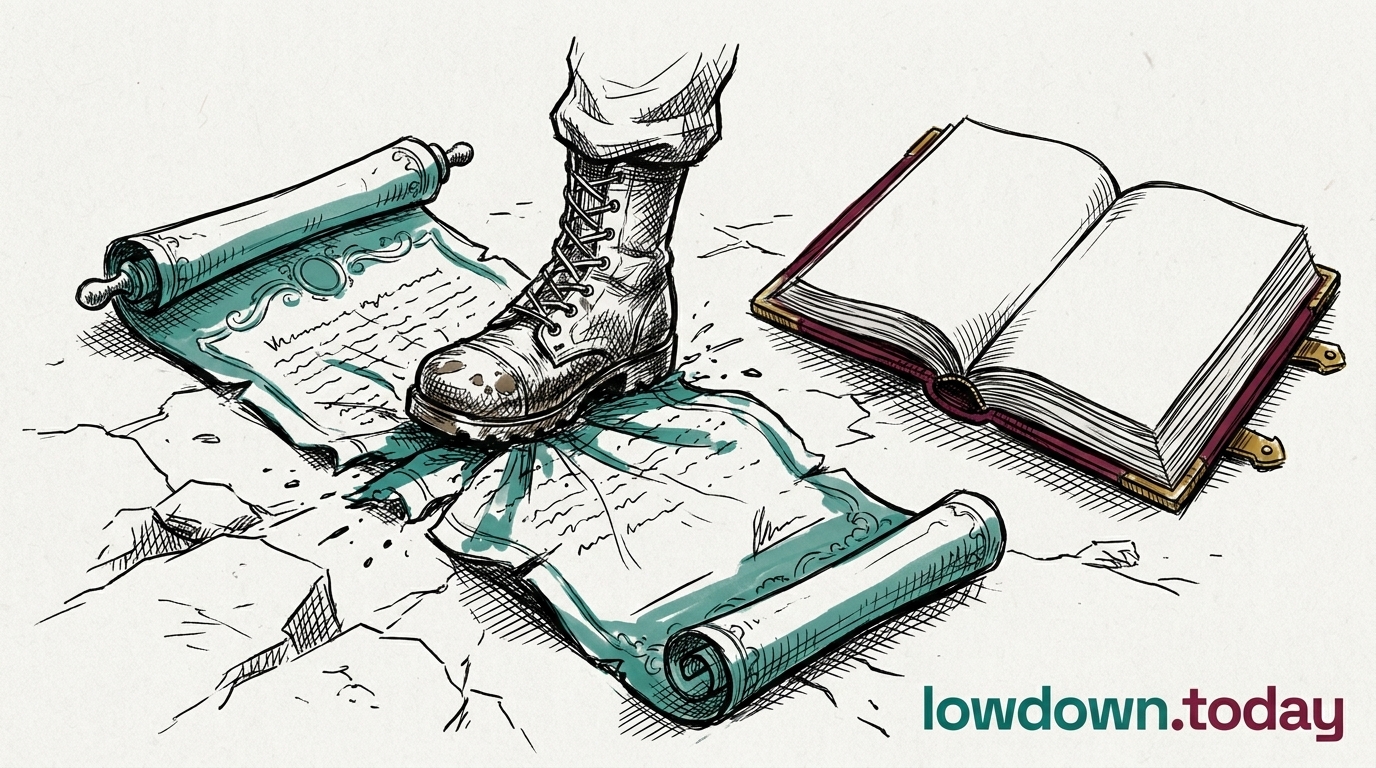
The death toll from the US strike on the B1 highway bridge in Karaj, Alborz Province, has risen from 8 to 13, with 95 wounded . The bridge was struck during Sizdah Bedar (Nature Day), the 13th and final day of Nowruz, Iran's most significant outdoor holiday. Thousands of families gather near parks and waterways on Sizdah Bedar. The bridge, still under construction and not yet open to traffic, had no claimed military use. 1

Iran's Foreign Minister Abbas Araghchi said "striking civilian structures including unfinished bridges will not compel Iranians to surrender." Trump posted video of the collapse on Truth Social, calling it "Iran's biggest bridge."

The B1 strike on a national holiday, killing civilians at a gathering with no military nexus, is the clearest case of civilian harm in the campaign to date. The toll may continue to rise.

Deep Analysis

In plain English

Sizdah Bedar is the last day of Iran's spring new year festival. Millions of families go outdoors to parks and riversides. The US struck a bridge in Karaj while people were near it for this holiday. The bridge was still under construction and not yet open to traffic. Thirteen people died. Iran's foreign minister said the strike proved the US was targeting civilians. Trump posted video of the bridge collapsing on Truth Social.

Deep Analysis
Root Causes

CENTCOM's targeting framework designates infrastructure used by military logistics as a legitimate dual-use target under IHL. The B1 bridge was described as a supply route to drone and missile units.

The timing on Sizdah Bedar was either a failure of cultural intelligence, a deliberate signal, or operational indifference. Trump's Truth Social post celebrating the collapse rules out the possibility that the civilian context was weighed as a proportionality factor in target selection.

What could happen next?
  • Consequence

    The Sizdah Bedar timing and Trump's celebratory social media post provide Iran with its strongest propaganda asset of the conflict, directly useful in UN and allied diplomacy.

  • Risk

    The UN Fact-Finding Mission's existing warning about conduct potentially amounting to crimes against humanity will be reinvigorated by this incident. European political pressure on the US will increase.

First Reported In

Update #58 · First US aircraft fall over Iran

Washington Post / Iranian state media· 4 Apr 2026
Read original
Causes and effects
This Event
Karaj bridge toll rises to thirteen
Striking civilian infrastructure during Sizdah Bedar, with no military nexus, is the clearest case of civilian harm in the campaign.
Different Perspectives
Hengaw
Hengaw
The Norway-based monitoring group reported the Urmia executions of Omid Behzad and Pouria Safvat, the only source to do so, consistent with its documented pattern of recording far more executions than the Iranian state acknowledges. Iran's government has not confirmed either execution.
Shipping and insurance underwriters
War-risk premiums price the Houthi campaign because the group announces its targets in advance, but a reopening Trump has promised without a published text gives underwriters no benchmark to reprice Hormuz cover against. Insurers want a text before they move rates, not a promise.
Houthi movement
Houthi movement
Spokesman Yahya Saree claimed strikes on two tankers in the Red Sea and Gulf of Aden on 5 August, only one of which UKMTO could confirm. The group's campaign against shipping continues on its own schedule, independent of any Hormuz arrangement further north.
Oman
Oman
Muscat has brokered the coordinates both Tehran and Washington's wire sources now describe differently, but has published no account of its own. Oman's position depends on treating Hormuz as a shared route, which is not what Iran is currently describing.
United States Central Command
CENTCOM raised its interdiction tally from 35 to 44 redirected vessels and disclosed its first boardings on 3 August, the day before Trump promised a reopening. The command's own enforcement record does not yet reflect the release the President has described.
Iran's Foreign Ministry
Spokesman Esmaeil Baghaei described the agreed Hormuz coordinates as a wholly new corridor under Iranian management, not a split of the existing route, days after his own deputy rejected Oman's lane proposal. Tehran wants the arrangement read as a change of ownership, not a compromise on access.