Why did the timing of the Karaj bridge strike make Sizdah Bedar so politically charged?
Timeline for Sizdah Bedar
Karaj bridge toll rises to thirteen
Iran Conflict 2026Background
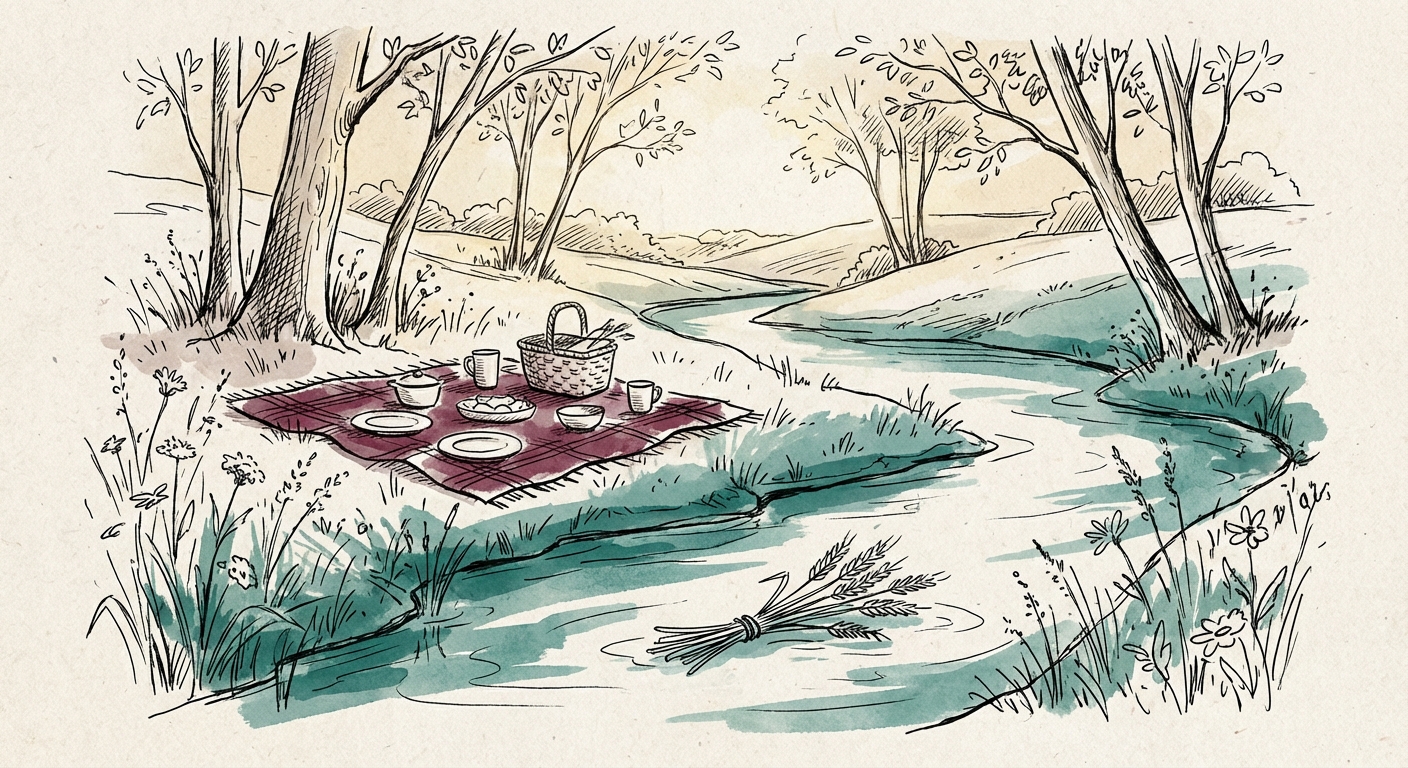
Sizdah Bedar ("thirteen to the outdoor") is the thirteenth and final day of Nowruz, Iran's Persian New Year celebration, observed on 1 or 2 April depending on the year. It is one of Iran's most significant public holidays, when families traditionally leave their homes and spend the day outdoors in parks and countryside, releasing sprouted Nowruz wheat grass (sabzeh) into running water as a symbolic act of renewal. In April 2026, the day fell during active hostilities, lending it acute political significance.
During Sizdah Bedar 2026, a US airstrike hit the B1 highway bridge in Karaj, Alborz Province. The bridge was under construction and not yet open to traffic; nonetheless, the death toll rose to 13 killed and 95 wounded in the days following the strike. The timing drew immediate comment from Iranian state media, which framed the strike as an attack on Iranian civilians during their most cherished holiday.
The coincidence of day 13 (sizdah, considered unlucky in Persian culture) with the death toll of 13 was not lost on Iranian commentators. State propagandists seized on the symmetry. For the Iranian public, the strike during Sizdah Bedar compressed grief, superstition and national identity into a single event, providing the IRGC with powerful domestic mobilisation material.
What is Sizdah Bedar?
Why is Sizdah Bedar significant in the Iran conflict?
What happened at the Karaj bridge during Sizdah Bedar?
