Italy forward-deployed two mine countermeasures (MCM) vessels to the Middle East on Sunday 17 May for the 26-nation Strait of Hormuz coalition, Naval News confirmed. The deployment is the first physical commitment to the Coalition from a non-UK member-state, following the Royal Navy's HMS Dragon on 9 May. The operational note sits across an awkward data line. Admiral Brad Cooper, CENTCOM (US Central Command) commander, told the Manama Forum on Thursday 14 May that US forces had eliminated 90 per cent of Iran's naval mine inventory. Coalition planners are now physically deploying assets that imply Cooper's figure is overstated by a margin large enough to require minesweepers from a NATO partner four days after the briefing. The gap matters because mine warfare in the strait of Hormuz is a counting problem rather than a doctrinal one. the strait carries roughly 17 million barrels per day of crude and condensate through a 33-kilometre-wide chokepoint where any unswept mine field forces traffic to halt while clearance runs at one to two mines per ship per day. If Cooper's 90 per cent described an operationally adequate residual, the Italian deployment makes no sense; the inverse is the more plausible read. Italy's two Lerici-class vessels, designed for the shallow Gulf bottom, are tasked precisely for the clearance picture Cooper's number was supposed to have settled. The Coalition's published architecture remains thin. No member has filed a written rules-of-engagement framework even as the physical commitments stack up: the Northwood planning summit produced a coordination structure but no engagement template. Physical deployment is now running 14 days ahead of legal architecture. Whichever member files the first written framework sets the operational template Washington will need either to endorse or to contest. That leaves Rome and Paris drafting the post-war Hormuz rulebook on Iran's western seam.
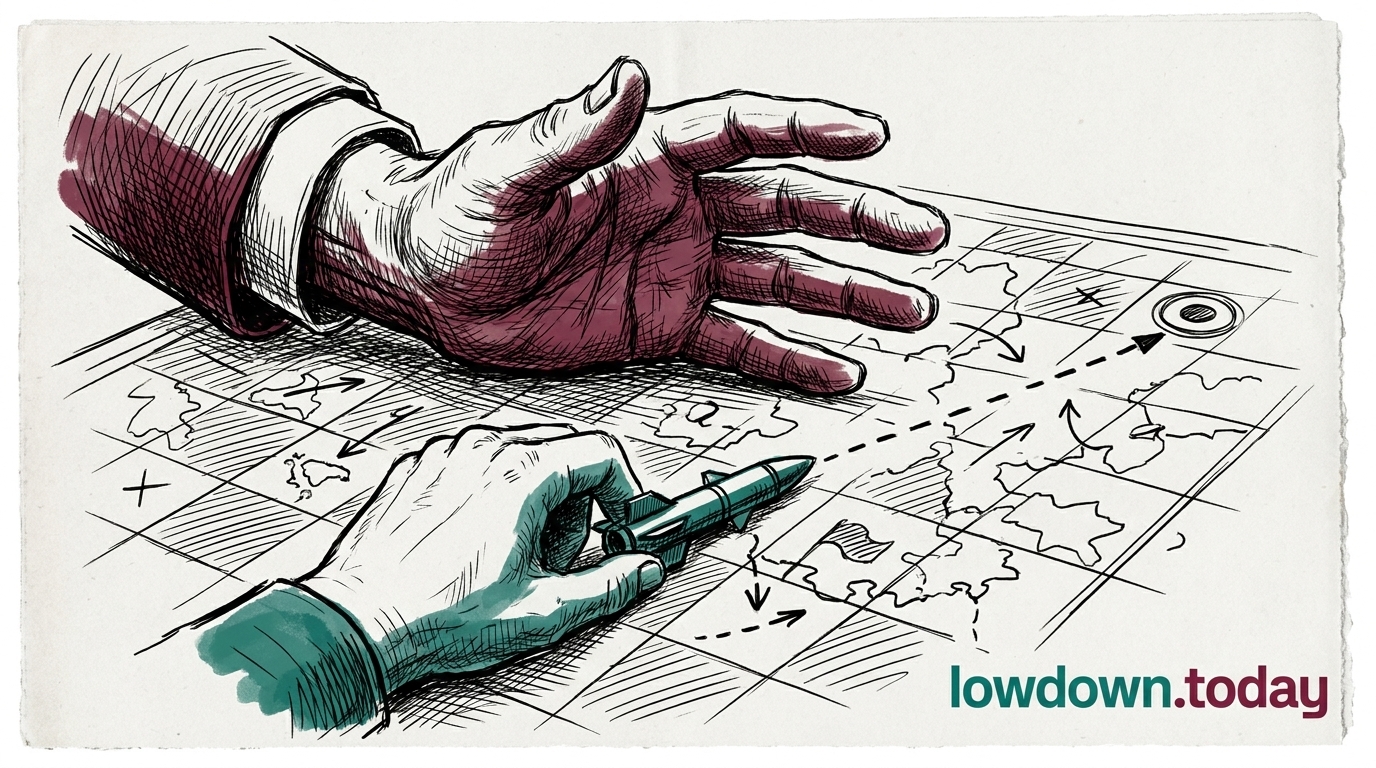
Italy deploys minesweepers to Hormuz coalition
Italy forward-deployed two mine countermeasures vessels to the 26-nation Strait of Hormuz coalition, the first physical commitment from a non-UK member-state and an awkward fit for Admiral Brad Cooper's 90 per cent claim.
Italy's two minesweepers contradict Cooper's 90 per cent claim; Coalition deployment now precedes written engagement rules.
Deep Analysis
the strait of Hormuz is the narrow waterway through which about 20 per cent of the world's oil passes. Iran has threatened to mine it, effectively blocking all shipping. Italy sent two specialist ships designed to find and safely destroy sea mines. This makes Italy the first mainland European country to commit actual ships, beyond political support, to the 26-nation operation guarding the strait. America's top commander in the region, Admiral Brad Cooper, told a forum last week that Coalition forces had already destroyed 90 per cent of Iran's mines. Italy's ships are there to handle whatever is left, and to signal that Europe is willing to shoulder some of the military burden.
- Consequence
Italy's physical deployment sets a benchmark that France, Germany, and Spain will face pressure to match, shifting the coalition from a US-UK bilateral to a genuine European burden-sharing arrangement.
- Opportunity
The Italy-France combined naval presence gives the EU a legitimate stake in Hormuz security architecture, strengthening European leverage in post-war shipping-rights negotiations.
Update #101 · Barakah hit, Trump posts, Italy sends minesweepers


Written with AI from Lowdown's published reporting. Not individually reviewed by an editor. Editorial standards.