Haaretz published analysis by senior military correspondent Amos Harel on the morning of Monday 18 May citing a former senior Israeli military intelligence official: US-Israeli strikes did not destroy Iran's underground enrichment infrastructure or its missile production lines, both of which remain largely operational. The assessment goes further. Tehran may now read the war's lesson as the opposite of its stated objective, namely 'only nuclear weapons can deter future wars with Israel and the United States.' The Harel piece runs on a single on-record former official, and the editorial weight comes from the seat the source has vacated rather than from institutional cover. Haaretz is the centre-left Tel Aviv daily whose military desk has the longest track record of breaking unwelcome assessments from inside Israel's defence establishment; placing the story there, rather than in Yedioth or Israel Hayom, signals the source wanted the unfiltered version on the record. The corroborating institutional evidence is the eight-month IAEA (International Atomic Energy Agency) blackout itself. Read against the Carnegie Endowment finding by Jane Darby Menton that the IAEA's eight-month lockout makes any moratorium unverifiable in either direction, and against Iran's 15-year enrichment-freeze offer that produced no counter-text, the Harel assessment names what the action paper trail already shows. The instrument that would lock a moratorium in place does not exist. The verification regime that would catch a covert breakout was suspended by a 221-0 Majlis vote on 11 April. Iran's parliament has separately codified the security shift, with Speaker Mohammad Bagher Ghalibaf's 17 May 'new order' speech carrying the political register that travels alongside a domestic deterrence consensus. The campaign's stated aim, eliminating Iran's nuclear option, has now been displaced inside Iran by the conclusion that the bomb is the only durable deterrent against a war that no signed instrument has ended.
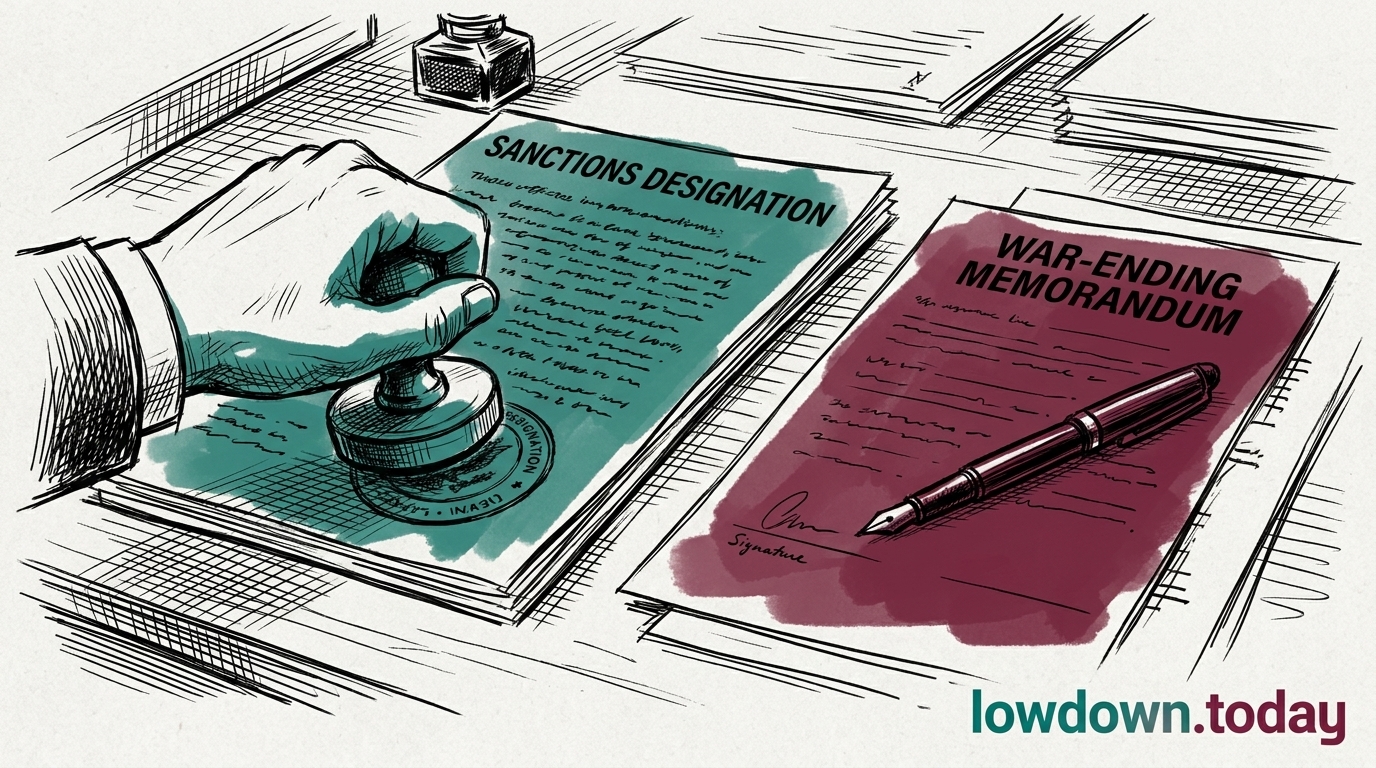
Haaretz: strikes left Iran nuclear capacity intact
Amos Harel cited a former senior Israeli military intelligence official saying US-Israeli strikes did not destroy Iran's underground enrichment infrastructure or its missile production lines.
A former Israeli intelligence official told Haaretz strikes failed; Iran may now read the bomb as durable deterrent.
Deep Analysis
After the US and Israeli militaries struck Iran's nuclear sites, the official line was that the strikes had set back Iran's nuclear programme. Now, a former senior Israeli military intelligence official has told the Israeli newspaper Haaretz that the most important parts of Iran's nuclear infrastructure, the underground enrichment facilities and missile factories, survived largely intact. The official also warned about something more serious: Iran might now conclude that the only way to stop future attacks is to build an actual nuclear weapon. That is the opposite of what the strikes were supposed to achieve. The international nuclear watchdog, the IAEA, cannot check this independently because Iran has restricted inspector access for over eight months.
The Haaretz assessment surfaces a structural intelligence problem: the IAEA verification system that would normally resolve the 'intact or degraded' question has been suspended since Iran restricted inspector access following the strikes. Without third-party verification, the debate between Israeli Air Force optimists and intelligence community sceptics cannot be resolved publicly.
**Israel**'s **Netanyahu** coalition has staked its political survival on a defined military success against Iran, which sits structurally upstream of every strike decision. The coalition requires a legible 'win' from the strikes; an assessment that Iran's nuclear capability survived intact undermines that narrative and the political justification for the military campaign.
The Haaretz source, identified as a 'former senior military intelligence official', represents the faction inside Israel's security establishment that believes the public narrative has diverged from the classified assessment.
- Risk
If the Haaretz assessment is correct, Iran's enrichment programme could resume at near-pre-strike capacity within weeks, eliminating the operational justification for any negotiated pause.
Short term · 0.65 - Risk
A political reassessment inside Israel, if the Haaretz source reflects broader intelligence community doubt, could trigger pressure for a second strike cycle before Iran reconstitutes further.
Medium term · 0.52 - Precedent
Strikes that leave enrichment infrastructure intact while motivating weaponisation may become the defining failure mode of preventive military action against proliferators in the post-Osirak era.
Long term · 0.7
Update #101 · Barakah hit, Trump posts, Italy sends minesweepers


