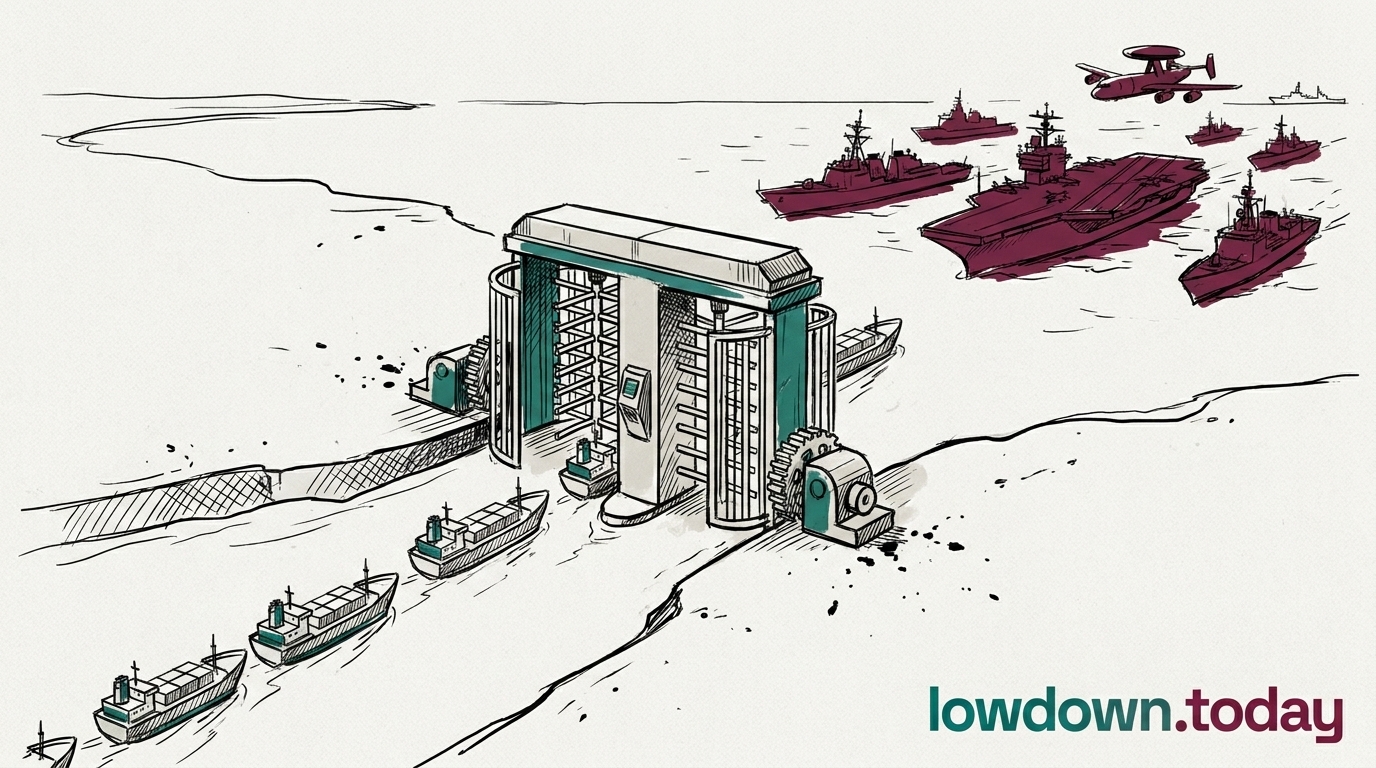
Brent Crude, the global oil benchmark, settled near $78.66 on 18 June and edged to roughly $79.95 on 19 June, down about 10 per cent on the week from above $100 at the height of the strait crisis1. The fall tracked CENTCOM's lifting of the naval blockade: futures markets priced the diplomatic reopening the moment the order landed, then partially reversed as the insurer and mine reality set in.
At about $80 the market was not pricing a full supply return. The pre-conflict baseline was nearer $70, and Brent held its premium above that precisely because no additional Iranian or Gulf cargo had physically sailed. A barrel that cannot leave The Gulf, because no underwriter will cover the tanker carrying it, is a barrel the market can hope for but not buy. Price and supply parted ways: the futures curve repriced a strait that minesweepers had not cleared.
The United Arab Emirates' state oil producer had already assessed that stranded Hormuz barrels might not clear until 2027, a judgement that still stood against the week's optimism. For consumers, petrol prices now reflect a reopening that has not happened. A single mine strike or an insurer hold could reverse the week's fall and send the benchmark back up, because the supply it is betting on remains, for now, theoretical.


