Skip to content
You can now search across every topic, entity and event.What's new
Iran Conflict 2026
18MAY

Araghchi takes Hormuz talks to Muscat

1 min read
14:44UTC

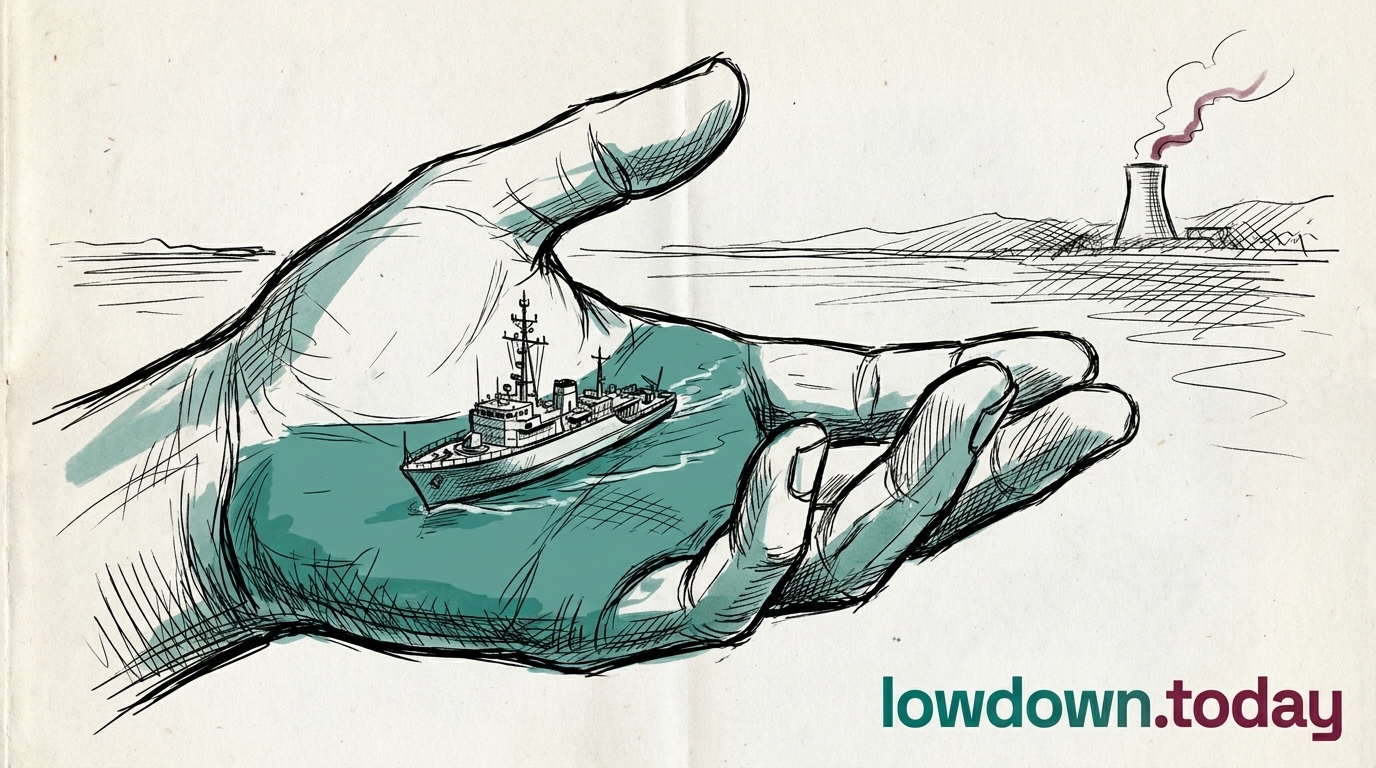
Abbas Araghchi led an Iranian delegation to Muscat on 18 July for Oman-hosted talks with an agenda confined to reopening the Strait of Hormuz.

ConflictDeveloping
Key takeaway

Araghchi joined Oman-hosted talks in Muscat on 18 July limited to reopening Hormuz.

Abbas Araghchi, Iran's Foreign Minister, led a delegation to Muscat on Saturday 18 July for talks hosted by Oman and confined to reopening the Strait of Hormuz 1. Oman has served as the discreet intermediary between Tehran and Washington for years, and Muscat is where messages travel that neither capital wants to be seen carrying.

Oman and Tehran kept that agenda narrow on purpose. Nothing on it touches the nuclear file, the strikes, the casualties or the suspended memorandum, which means the talks can continue while the bombing does. Qatar took a similar route on 10 July, sending a delegation to Mashhad to meet Araghchi , and the pattern across both is Gulf states brokering rather than Washington and Tehran speaking directly.

All parties want the strait open, including Iran, which exports through it. That shared material interest is the only thing holding the channel together, and it is also its limit. A settlement on transit would not slow the campaign by a single sortie.

Deep Analysis

In plain English

Iran's Foreign Minister, Abbas Araghchi, travelled to Muscat, the capital of Oman, on 18 July for talks focused only on reopening the Strait of Hormuz to shipping, not on the wider war, the nuclear programme, or the casualties. Oman has a long history of hosting quiet talks between Iran and the West that neither side wants to be seen holding directly, and this is the only active negotiating channel in the conflict right now.

Deep Analysis
Root Causes

Oman's foreign policy since the Sultan Qaboos era has deliberately avoided joining either the US-aligned Gulf bloc or an anti-Western axis, a neutrality maintained specifically so it can host exactly this kind of channel when other capitals cannot.

That decades-long positioning, not any special leverage over the war itself, is what makes Muscat rather than Doha or Abu Dhabi the venue for a talks track neither Washington nor Tehran wants to be seen initiating.

What could happen next?
  • Opportunity

    A narrowly-scoped Hormuz channel can survive the bombing campaign precisely because it asks neither side to concede anything about the war itself, giving it a longer potential lifespan than a broader ceasefire track would have.

First Reported In

Update #156 · First American deaths in Jordan

Oman Ministry of Foreign Affairs· 19 Jul 2026
Read original
Different Perspectives
Oil traders
Oil traders
Sent Brent down 2.29 per cent to $98.38 a barrel on reports that mediation was reviving, moving the price on CENTCOM's quiet night rather than on Trump's same-day promise of a bigger operation with no deadline attached.
Iran
Iran
An Iranian official called the same mediation account completely misleading, denying it received any US proposal via Baghdad on the same day Iraq denied delivering one, leaving neither denial able to settle what actually passed between the two capitals.
Iraq
Iraq
Called groundless the New York Times account that its prime minister carried a US ceasefire proposal to Tehran, a denial that also protects Baghdad's effort to avoid becoming a party to a war fought by aircraft it does not control.
OHCHR
OHCHR
Recorded 17 civilian seafarer deaths since the war began, a population neither the Pentagon nor Iran's Health Ministry counts in its own tally, and called for urgent action on 6,000 crew stranded across roughly 400 vessels in the Strait of Hormuz.
Houthis
Houthis
Enforced the blockade on Saudi-linked shipping it declared on 20 July by hitting the NCC Masa and then an Aramco facility at Jazan, moving from radio warnings to strikes on land after four days without a confirmed hit.
Saudi Arabia
Saudi Arabia
Struck Houthi military sites near Hodeidah the same day the NCC Masa was hit, while its coalition spokesman insisted Hodeidah, Ras Issa and Salif all remain open to navigation. The distinction protects the ports Yemen's population depends on for food and fuel even while punishing the group behind the tanker strike.