Skip to content
You can now search across every topic, entity and event.What's new
Iran Conflict 2026
17MAY

US crude draws on thinning imports

2 min read
10:45UTC

US commercial crude stocks fell 3.8 million barrels to 408.4 million in the week to 26 June as imports thinned 291,000 barrels a day, a supply-led draw rather than a demand signal.

ConflictDeveloping
Key takeaway

Thinning imports, not demand, drove the US crude draw, so it unwinds when cargoes arrive.

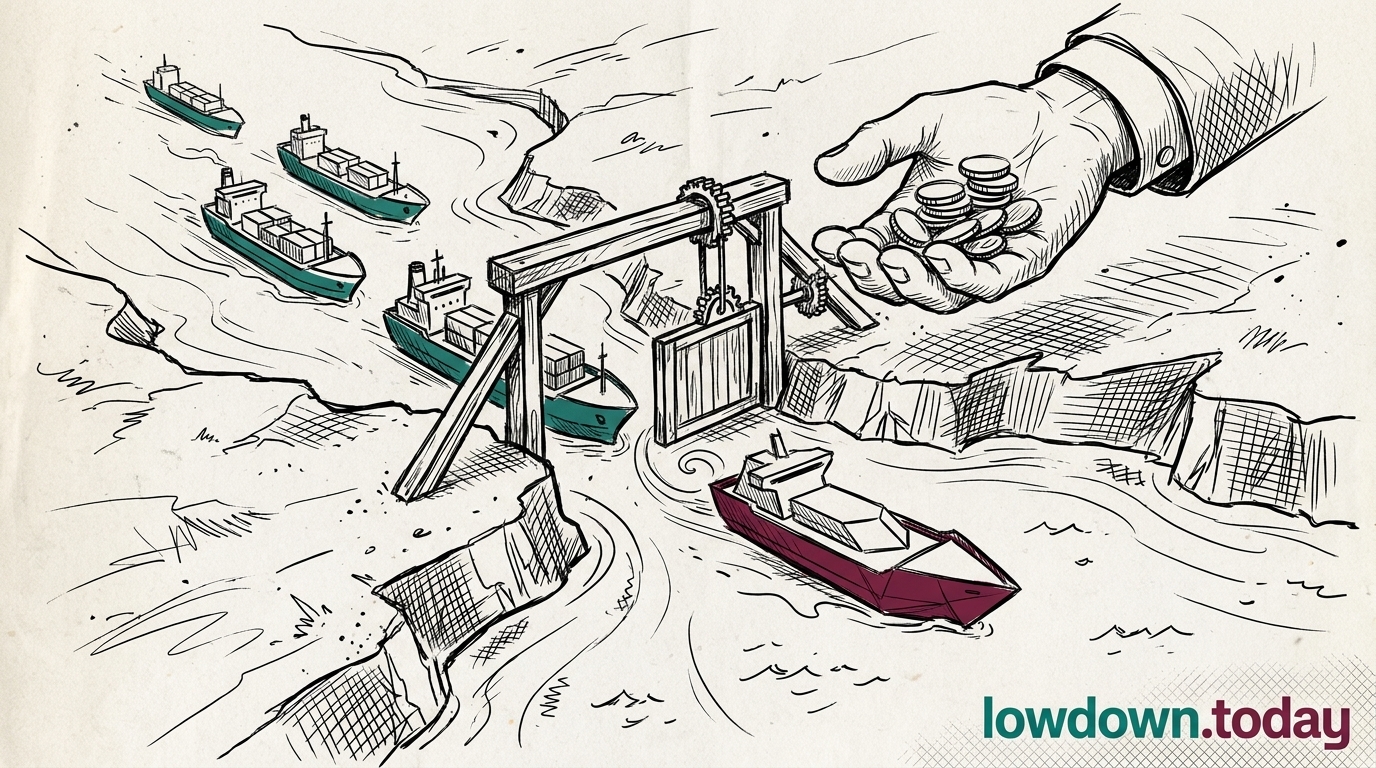
US commercial crude stocks fell 3.8 million barrels to 408.4 million in the week to 26 June, the EIA reported, extending a draw that had reached 418.2mb on 17 June at near-maximum refinery runs . The fall held even as Brent slid, which points to supply rather than demand doing the work. 1

The tell sits in the trade data. Crude imports dropped 291,000 barrels a day to 5.3 million, with the four-week average down 10.9% year on year. Refinery inputs rose just 85,000 barrels a day to 17.2 million, so plants were not pulling harder; the tank emptied because waterborne supply thinned, a Strait of Hormuz and freight footprint more than a US demand signal.

That distinction matters for anyone reading the draw as bullish. Import starvation reverses the moment cargoes clear, whereas genuine demand strength does not. The same week's product prints carried the more durable story.

Deep Analysis

In plain English

Crude oil stocks in America fell again, but the reason matters. It is not that US refineries suddenly needed more oil to turn into fuel; it is that fewer tankers carrying crude actually arrived at US ports. Imports dropped by nearly 300,000 barrels a day compared with the week before, and are running more than 10% below where they were a year ago. Fewer ships means falling stocks even if nothing else about US oil demand has changed.

What could happen next?
  • Consequence

    If the import shortfall persists, US Gulf Coast refiners may need to draw down further from stocks or bid up domestic and Canadian grades to fill the gap.

First Reported In

Update #13 · Distillate deficit eases; the crack won't

US Energy Information Administration· 3 Jul 2026
Read original
Causes and effects
This Event
US crude draws on thinning imports
The crude draw reflects thinning waterborne imports, not stronger refinery demand, so it reverses as soon as cargoes clear.
Different Perspectives
Oil traders
Oil traders
Sent Brent down 2.29 per cent to $98.38 a barrel on reports that mediation was reviving, moving the price on CENTCOM's quiet night rather than on Trump's same-day promise of a bigger operation with no deadline attached.
Iran
Iran
An Iranian official called the same mediation account completely misleading, denying it received any US proposal via Baghdad on the same day Iraq denied delivering one, leaving neither denial able to settle what actually passed between the two capitals.
Iraq
Iraq
Called groundless the New York Times account that its prime minister carried a US ceasefire proposal to Tehran, a denial that also protects Baghdad's effort to avoid becoming a party to a war fought by aircraft it does not control.
OHCHR
OHCHR
Recorded 17 civilian seafarer deaths since the war began, a population neither the Pentagon nor Iran's Health Ministry counts in its own tally, and called for urgent action on 6,000 crew stranded across roughly 400 vessels in the Strait of Hormuz.
Houthis
Houthis
Enforced the blockade on Saudi-linked shipping it declared on 20 July by hitting the NCC Masa and then an Aramco facility at Jazan, moving from radio warnings to strikes on land after four days without a confirmed hit.
Saudi Arabia
Saudi Arabia
Struck Houthi military sites near Hodeidah the same day the NCC Masa was hit, while its coalition spokesman insisted Hodeidah, Ras Issa and Salif all remain open to navigation. The distinction protects the ports Yemen's population depends on for food and fuel even while punishing the group behind the tanker strike.