Skip to content
You can now search across every topic, entity and event.What's new
European Tech Sovereignty
18JUN

Putin admits the petrol queues himself

2 min read
09:28UTC

At a 28 June Kremlin meeting, Putin acknowledged queues at petrol stations, the first time he rather than Deputy PM Alexander Novak has owned the shortage.

TechnologyAssessed
Key takeaway

Putin said on camera what Novak's messaging was built to avoid.

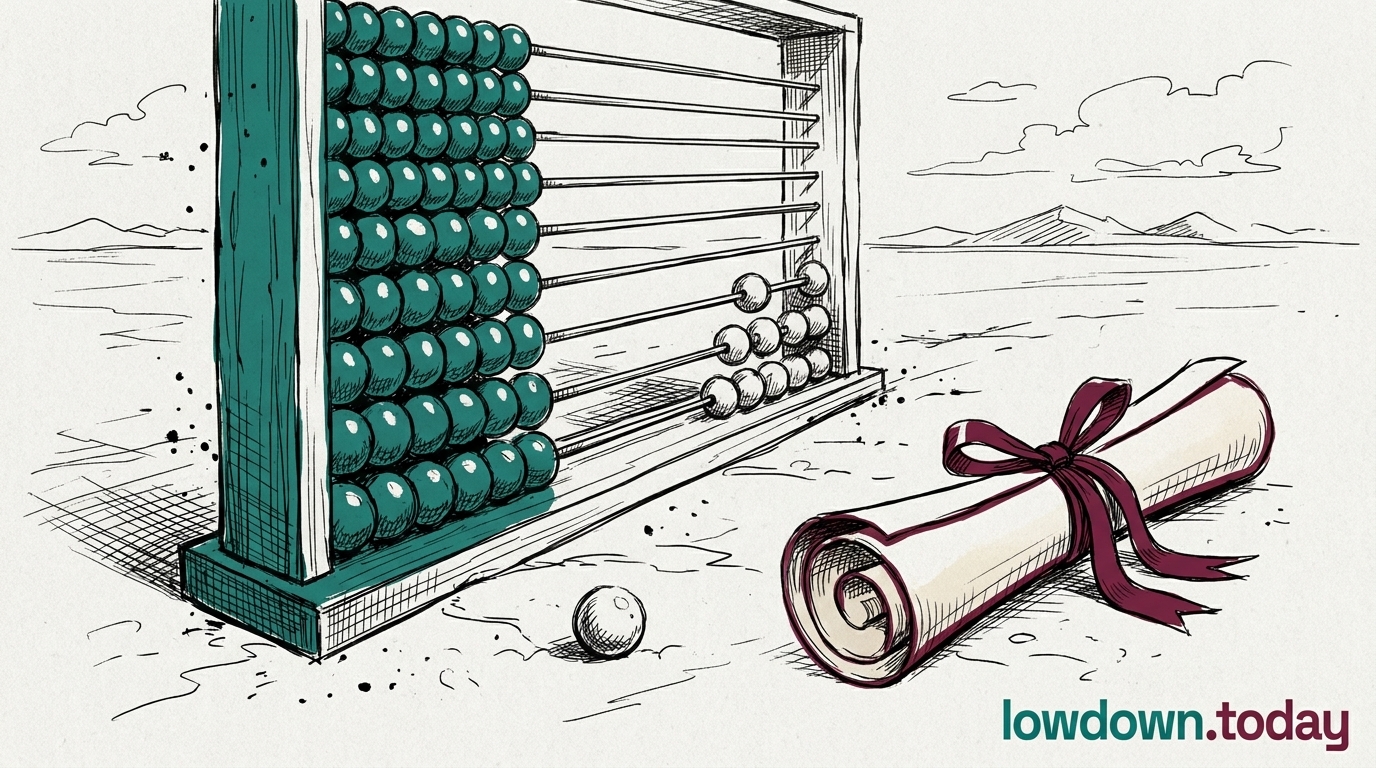
Vladimir Putin acknowledged "queues at gas stations" and that "the right grade of gasoline isn't always available" at a Kremlin meeting on domestic fuel supply on 28 June 1. It was the first time he, rather than Deputy Prime Minister Alexander Novak, had publicly owned the shortage. Five days earlier Novak had assured him fuel was "challenging but under control" as fifteen Russian regions rationed petrol .

Russia has extended its gasoline export ban to 31 July and is weighing a diesel export ban it keeps declining to impose, the Energy Ministry pointing to a failed 2023 attempt 2. Putin taking the file off Novak signals the reassurances had stopped landing, and his next appearance on fuel will show whether he hands it back.

Russia supplies roughly 11% of the world's diesel exports, so a sustained refining shutdown reaches a global fuel market well beyond its own petrol queues. A diesel export ban, still under consideration after the 28 June admission, would lift pump and freight prices outside the war zone. The shortage behind Putin's admission is a product of Ukraine's long-range drone campaign against Russian refineries.


Deep Analysis

In plain English

Russia has been rationing petrol for weeks after Ukrainian drone strikes knocked out major refineries. Until now, officials like deputy prime minister Alexander Novak had downplayed the shortage as manageable. On 28 June, President Vladimir Putin himself admitted that petrol stations have queues and that the right fuel grade isn't always on the shelf, a rare personal acknowledgment from a leader who usually leaves bad news to subordinates. Russia has also extended its ban on exporting petrol, to keep more of it at home, until the end of July.

Deep Analysis
Root Causes

Russian refining is concentrated in a handful of large plants; Kapotnya alone supplies around 40% of Moscow region fuel, so a single strike removes capacity no other refinery can absorb quickly.

Redistributing fuel from unaffected regions depends on rail tank-car availability that has not scaled with the sudden shift in demand, meaning the shortage persists even where refining itself is untouched.

What could happen next?
  • Meaning

    Putin's personal ownership of the shortage marks a shift from delegated messaging to direct accountability, unusual for a leader who typically distances himself from unwelcome domestic news.

  • Consequence

    Extending the export ban to 31 July keeps more fuel inside Russia but does nothing to fix the rail-logistics bottleneck moving it to deficit regions.

First Reported In

Update #22 · Belarus relays go dark on Kyiv's deadline

Rigzone· 2 Jul 2026
Read original
Different Perspectives
Germany (Bundeskartellamt)
Germany's Bundeskartellamt declined to open antitrust proceedings against SAP, the company disclosed on 30 July, in the same fortnight the Commission's EUR 890m DMA fine against Google approached its 21 September compliance deadline. A German software champion cleared domestic scrutiny while an American platform faces enforcement, in the same regulatory season.
United States (USTR)
Washington's Section 301 investigation into EU digital enforcement, opened 24 July, had produced no Federal Register docket as of 4 August, even as Dell and 1,008 Nvidia GB200 NVL4 accelerators sit inside the EU's own sovereignty-branded MeluXina-AI build. The absent docket and the American hardware inside a European sovereignty project pull the same relationship in opposite directions.
UK government
UK government
The UK's Sovereign AI vehicle took a nine-figure equity stake in chip startup OLIX on 30 July, its fifth deal since April, while the Cabinet Office's 27 July fact sheet named no accounting officer for the GBP 1.1bn AI Hardware Plan. Whitehall is buying equity rather than capacity, inside a department mid-rename to Business, Innovation, Science and Trade.
Luxembourg government
Luxembourg is covering half of the newly disclosed EUR 80m contract value for MeluXina-AI, EuroHPC's Grand Duchy build, with Dell Technologies confirmed as supplying 1,008 Nvidia GB200 NVL4 accelerators, a hardware detail absent from the earlier project description. The disclosure means Luxembourg's national co-funding buys a facility built on American silicon under a European ownership badge.
European Commission
European Commission
The Commission activated its Article 101 fining power on 2 August while the Article 70 register it must keep current still showed a 26 September 2025 footer and blank rows for Denmark, Finland and Hungary. It issued no comment, though Article 70 puts the publication duty on Brussels, not member states.
China's Ministry of Commerce
Spokesperson He Yadong said on 16 July that Beijing and the Netherlands should let firms settle the Nexperia dispute through consultation, after a Dutch ministerial visit to Beijing. The conciliatory tone contrasts with the confrontational US trade response to the same fortnight's DMA enforcement.



