Skip to content
Welcome, thoughtbot's Giant Robots listeners!Start here
European Oil Markets
6JUL

Russia plans record 17.1tn for defence

3 min read
09:52UTC

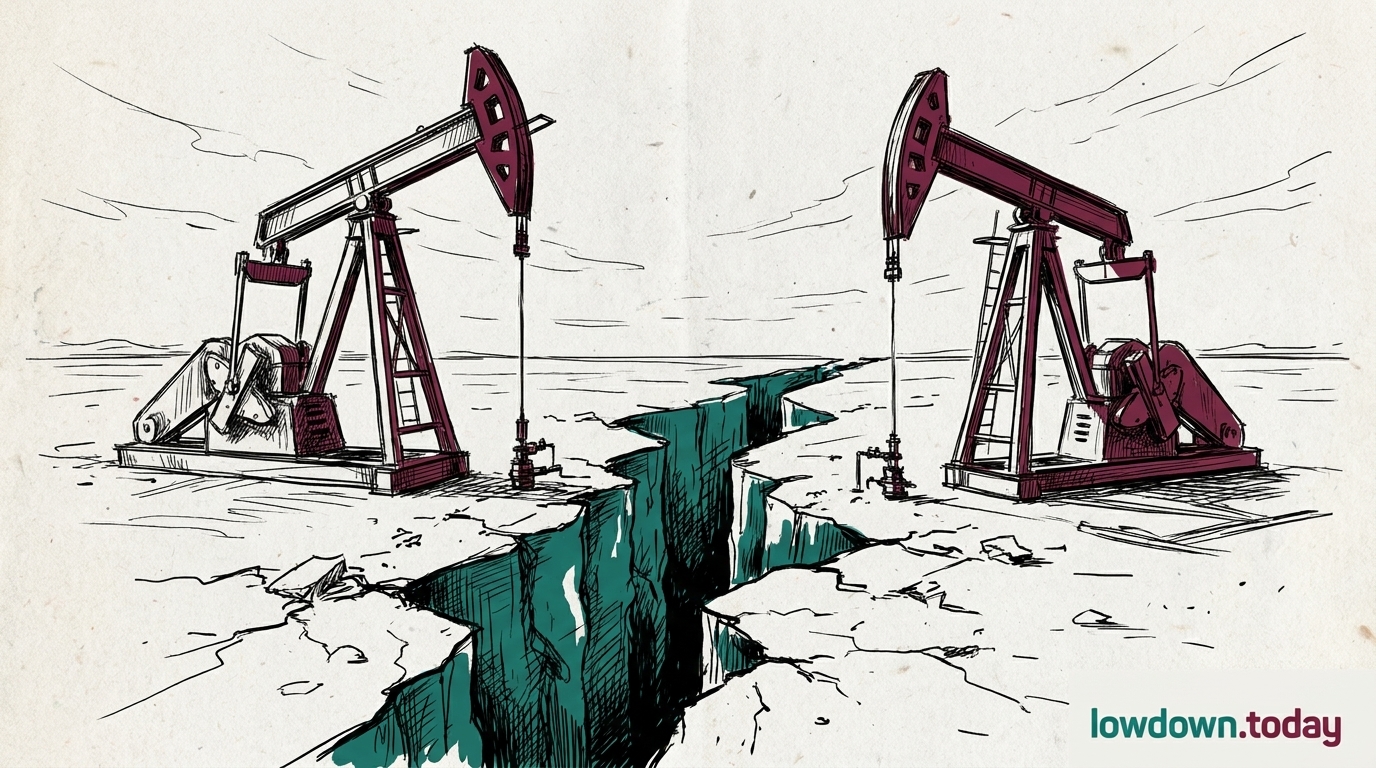
Russia's Finance Ministry cut its oil and gas revenue forecast by 1,335bn roubles, yet its draft still gives defence a record 17.1tn roubles next year.

EconomicAssessed
Key takeaway

Russia will spend a record 17.1tn roubles on defence while oil revenue falls short.

Russia's Finance Ministry now expects 7,584bn roubles of oil and gas revenue for 2026, 1,335bn short of the 8,919bn in its own budget law⁠1. Its draft for next year still gives defence a record 17.1tn roubles, more than a third of federal spending, according to Reuters, which reviewed the draft⁠2. That is about 27% above the roughly 13.5tn roubles the previous plan set for 2027.

The 2027-29 draft, sent to the State Duma, Russia's lower house of parliament, by 30 September, plans deficits of 5.5tn, 5.1tn and 5.3tn roubles, about 2% of gross domestic product (GDP) each year. The ministry expects a deficit of up to 3.2% of GDP for 2026.

The Russian Finance Ministry's preliminary January to September figures show the strain. The deficit stood at 5.19tn roubles, down from 6.46tn after July, against 3.47tn a year earlier. Oil and gas revenue fell 17.2% to 5,471bn roubles. Non-oil-and-gas revenue, up 18.8% to 24,168bn roubles, carries the rest, as it did in August.

The ministry says it finances the deficit "mainly without additional borrowing" in government bonds. That fits Sberbank's July warning that Russian banks can no longer buy them, so revenue outside oil and gas has to carry the war budget.


Deep Analysis

In plain English

Russia's government pays for the war mainly from taxes on oil and gas and from other taxes. This year it is earning much less from oil and gas than it planned. The Finance Ministry now expects to collect about 1.3 trillion roubles less from oil and gas than its budget law assumed. It spent more than it earned in the first nine months of 2026. Even so, its plan for 2027 gives the army more money than ever, 17.1 trillion roubles. To pay for it, Russia is raising other taxes and using its savings.

Deep Analysis
Root Causes

Oil and gas revenue has fallen through 2026. The ministry recorded a 38.3% year-on-year drop in January to April , and the January-September fall was 17.2%. Lower Urals prices, sanctions discounts and refinery damage all cut receipts.

Non-oil revenue grew because Moscow raised taxes, not because the civilian economy boomed. The 2027 draft extends 22% VAT (value added tax, Russia's main sales tax) to purchases from foreign online stores and raises tax on passive income.

Domestic borrowing has hit a ceiling. With banks unable to buy more government bonds, the state draws on reserves and special financing powers, which run down faster the longer the war lasts.

What could happen next?
  • Consequence

    Russia will keep spending reserves in 2027, shrinking the cushion it would need for a shock such as a new oil price fall.

  • Meaning

    A record defence line for 2027 shows Moscow's budget planners assume the war continues through next year.

First Reported In

Update #28 · US licenses Russian diesel and turns on Kyiv

Meduza· 12 Oct 2026
Read original →
Different Perspectives
Gulf oil producer
Gulf oil producer
Secured OPEC's confirmed 188,000 b/d September increment with the next meeting set for 6 September, but the Secretariat's own 2 August release says nothing about the fourth quarter. Output guidance beyond September remains undisclosed even as delegate sourcing keeps filling that gap.
Money manager positioned in WTI
Added 21,402 lots to a 108,307 net long in NYMEX WTI in the week to 28 July, against just 1,485 added to Brent's 15,740, a roughly fourteen-to-one split. Conviction sits in the American benchmark even as the European diesel story sets the record.
Indian refiner buying Urals
Bought Russian crude at a discount that narrowed to $1-2 a barrel in the week to 29 July from over $10, as Hormuz risk pushed it toward Urals. If that risk eases with the strike now called off, the discount it is currently enjoying could re-widen just as fast.
Russian diesel exporter
Novak tied any lifting of the diesel export ban, due to lapse 31 July, to an unspecified market recovery with no date, and pushed the gasoline ban to end-2026. An open-ended constraint suits an exporter benefiting from the record European crack it feeds.
War-risk underwriter
Withdrew war-risk cover for Saudi-linked hulls on 24 July and has not reinstated it, holding Bab el-Mandeb tanker transits near 7.5 a day. A cancelled strike does not by itself trigger the committee review needed to re-accept the class.
Northwest European refiner
Sources only 17% of diesel imports from Saudi Red Sea ports against the Mediterranean's 24%, so the ARA crack at $85.86 trails the Med print by $5.81. Lower Red Sea exposure is cushioning it against the rerouting cost, not eliminating it.

Written with AI from Lowdown's published reporting. Not individually reviewed by an editor. Editorial standards.