Skip to content
You can now search across every topic, entity and event.What's new
European Oil Markets
30JUN

Putin admits the petrol queues himself

2 min read
17:30UTC

At a 28 June Kremlin meeting, Putin acknowledged queues at petrol stations, the first time he rather than Deputy PM Alexander Novak has owned the shortage.

EconomicAssessed
Key takeaway

Putin said on camera what Novak's messaging was built to avoid.

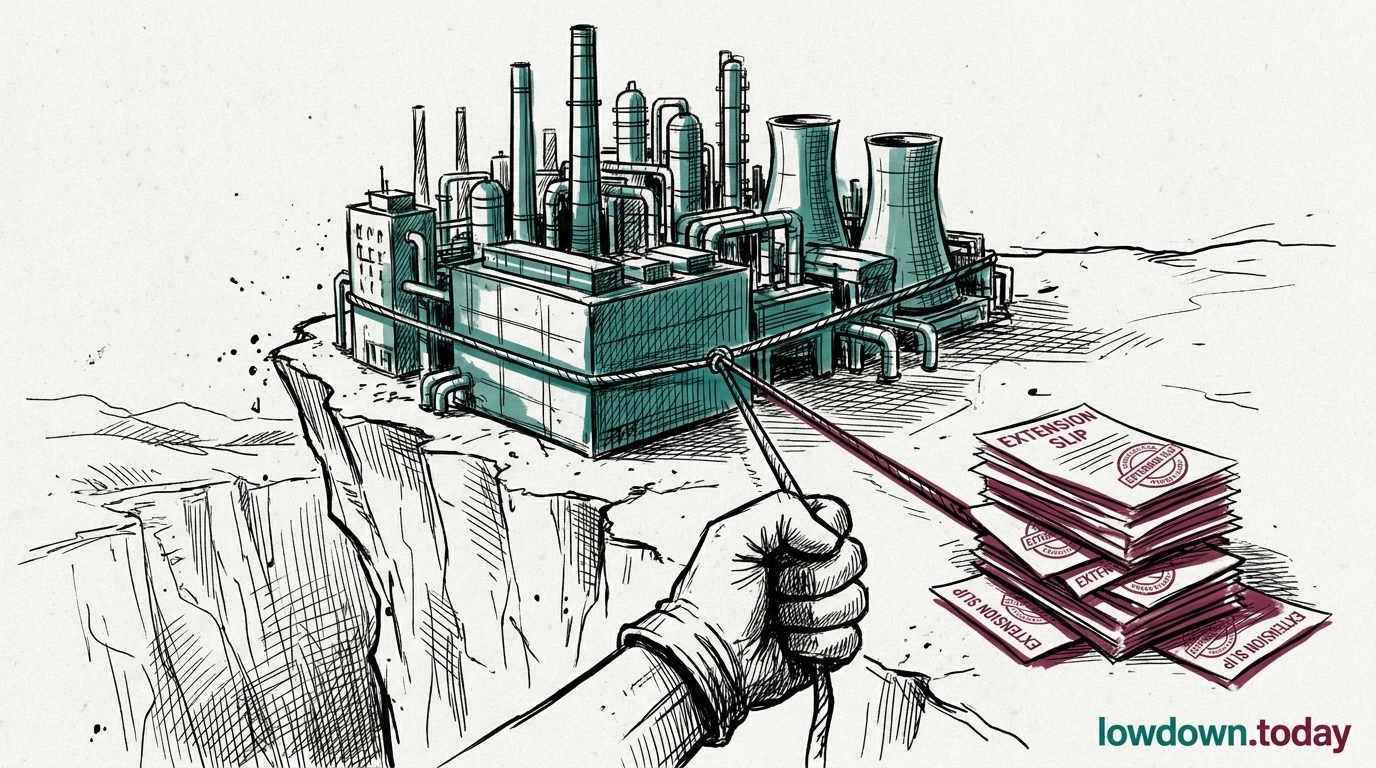
Vladimir Putin acknowledged "queues at gas stations" and that "the right grade of gasoline isn't always available" at a Kremlin meeting on domestic fuel supply on 28 June 1. It was the first time he, rather than Deputy Prime Minister Alexander Novak, had publicly owned the shortage. Five days earlier Novak had assured him fuel was "challenging but under control" as fifteen Russian regions rationed petrol .

Russia has extended its gasoline export ban to 31 July and is weighing a diesel export ban it keeps declining to impose, the Energy Ministry pointing to a failed 2023 attempt 2. Putin taking the file off Novak signals the reassurances had stopped landing, and his next appearance on fuel will show whether he hands it back.

Russia supplies roughly 11% of the world's diesel exports, so a sustained refining shutdown reaches a global fuel market well beyond its own petrol queues. A diesel export ban, still under consideration after the 28 June admission, would lift pump and freight prices outside the war zone. The shortage behind Putin's admission is a product of Ukraine's long-range drone campaign against Russian refineries.


Deep Analysis

In plain English

Russia has been rationing petrol for weeks after Ukrainian drone strikes knocked out major refineries. Until now, officials like deputy prime minister Alexander Novak had downplayed the shortage as manageable. On 28 June, President Vladimir Putin himself admitted that petrol stations have queues and that the right fuel grade isn't always on the shelf, a rare personal acknowledgment from a leader who usually leaves bad news to subordinates. Russia has also extended its ban on exporting petrol, to keep more of it at home, until the end of July.

Deep Analysis
Root Causes

Russian refining is concentrated in a handful of large plants; Kapotnya alone supplies around 40% of Moscow region fuel, so a single strike removes capacity no other refinery can absorb quickly.

Redistributing fuel from unaffected regions depends on rail tank-car availability that has not scaled with the sudden shift in demand, meaning the shortage persists even where refining itself is untouched.

What could happen next?
  • Meaning

    Putin's personal ownership of the shortage marks a shift from delegated messaging to direct accountability, unusual for a leader who typically distances himself from unwelcome domestic news.

  • Consequence

    Extending the export ban to 31 July keeps more fuel inside Russia but does nothing to fix the rail-logistics bottleneck moving it to deficit regions.

First Reported In

Update #22 · Belarus relays go dark on Kyiv's deadline

Rigzone· 2 Jul 2026
Read original
Different Perspectives
Indian refiners
Indian refiners
Indian refiners kept lifting discounted Urals as the India/Baltic price split widened past $9-10 a barrel, a gap that only grows as GL X1's Iranian wind-down cuts an alternative discounted grade off the market by 17 July. Cheaper Russian feedstock is being locked in while it lasts.
Chinese refiners
Chinese refiners
Chinese refiners gain leverage as the Urals-Brent discount widens, since Beijing's state buyers already source discounted Russian barrels near the fiscal floor unaffected by Western insurance costs. A wider discount, if it holds past 23 July, lets them lock in cheaper term contracts regardless of the cap's outcome.
US money managers (CFTC-tracked)
Managed money trimmed WTI net length into the rally, positioning that reflects doubt the Hormuz premium survives without freight or war-risk confirmation. The Brent-WTI spread widening almost entirely on the Brent leg supports that scepticism about a broad-based repricing.
OPEC+ (Saudi-led subgroup)
Saudi Arabia is defending market share through a fourth straight 188kbd August hike even as OPEC's own July MOMR cut 2026 demand growth for the fourth consecutive month. At a $108-111 fiscal breakeven, every added barrel costs Riyadh revenue it cannot recoup, so the hike reads as a positioning signal, not a demand bet.
Greek shipping registries
Greece, backed by Cyprus and Malta, is pushing a three-month cap-freeze compromise against the Commission's freeze to January 2027 ahead of the 23 July vote. Athens' and Valletta's combined tanker registrations mean a shorter review gives their insurers more frequent chances to reprice risk on Russian cargoes.
Russia (Deputy PM Alexander Novak)
Novak extended the diesel export restriction to producers on 8 July, the first producer-binding curb of the war, protecting the domestic pump price ahead of any refinery repair timeline. Urals still trades below Russia's $59 budget floor even as Brent gained, so the ban trades export revenue for fiscal stability at home.



