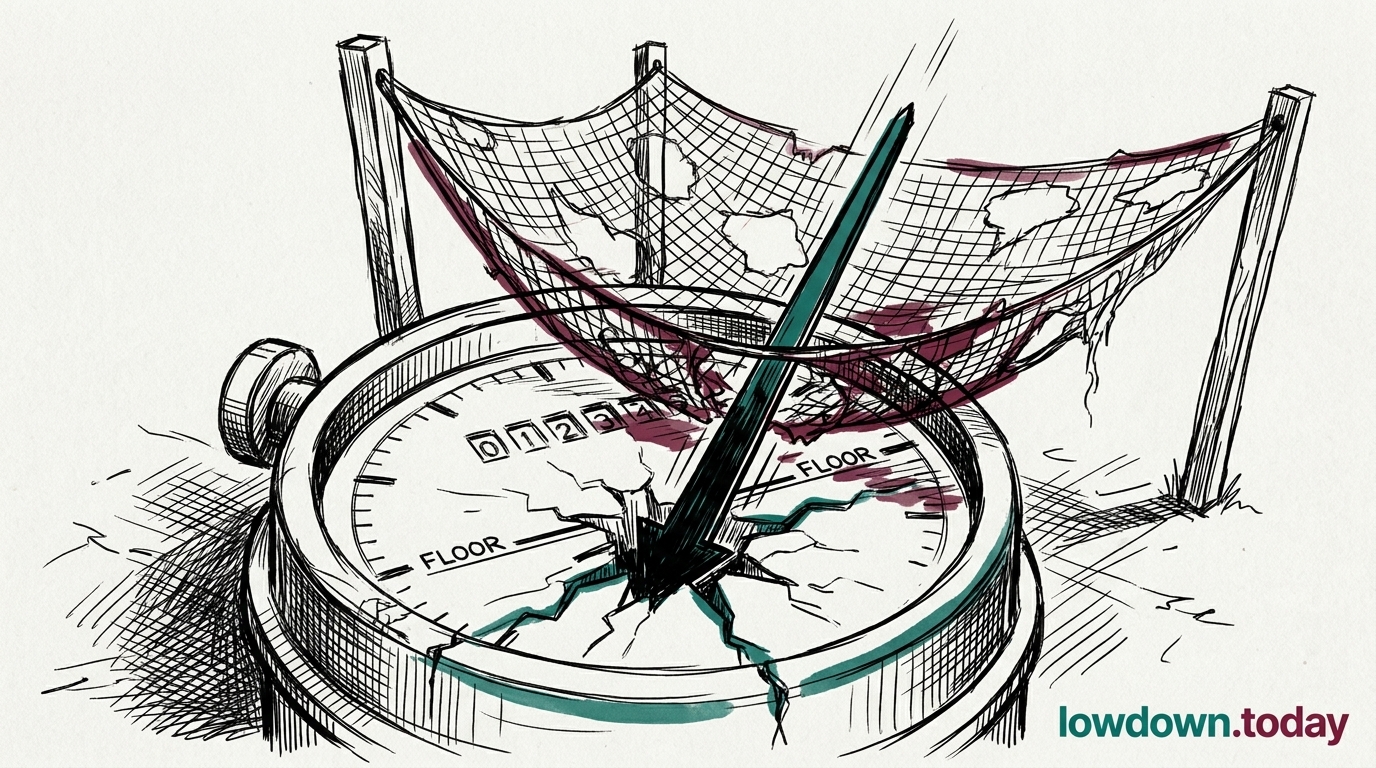
BOTAS, the Turkish state gas importer, mixes Russian, Azerbaijani and Iranian molecules and markets the result as a non-Russian "Turkish blend", and the Kipi entry point on the Greek-Turkish border lacks the rebuttable-presumption origin documentation applied at stricter crossings 1. A rebuttable presumption requires the importer to prove the gas is not Russian; where the requirement is absent, partly-Russian blend can enter the EU as Azeri or Iranian product and flow onward into Central Europe.
This is the physical counterpart to the legal carve-outs confirmed in the regulation's text . Where the long-term exemptions let Russian pipeline gas keep flowing on paper, Kipi is the route by which short-term Russian molecules keep flowing in practice. The two leaks operate at different layers of the same ban: one written into the statute, the other left open at the customs gate.
EUobserver carried the BOTAS blend account, and it has not surfaced on the price wires 2. The market signal that would normally flag a porous border is absent here, which fits the wider read of the deadline as procedural. For a Central European supply desk, the practical takeaway is that the 17 June date does not seal the Kipi channel, and no published basis spread yet prices the blend route as a risk. The enforcement gap sits beneath the price, not in it.





