Timeline for Zeebrugge
Russian LNG hits quarterly record; double cliff looms
European Energy MarketsMentioned in: Central EU hub premiums top €2/MWh above TTF
European Energy MarketsMentioned in: Four LNG terminals at lowest utilisation since 2023
European Energy MarketsBackground
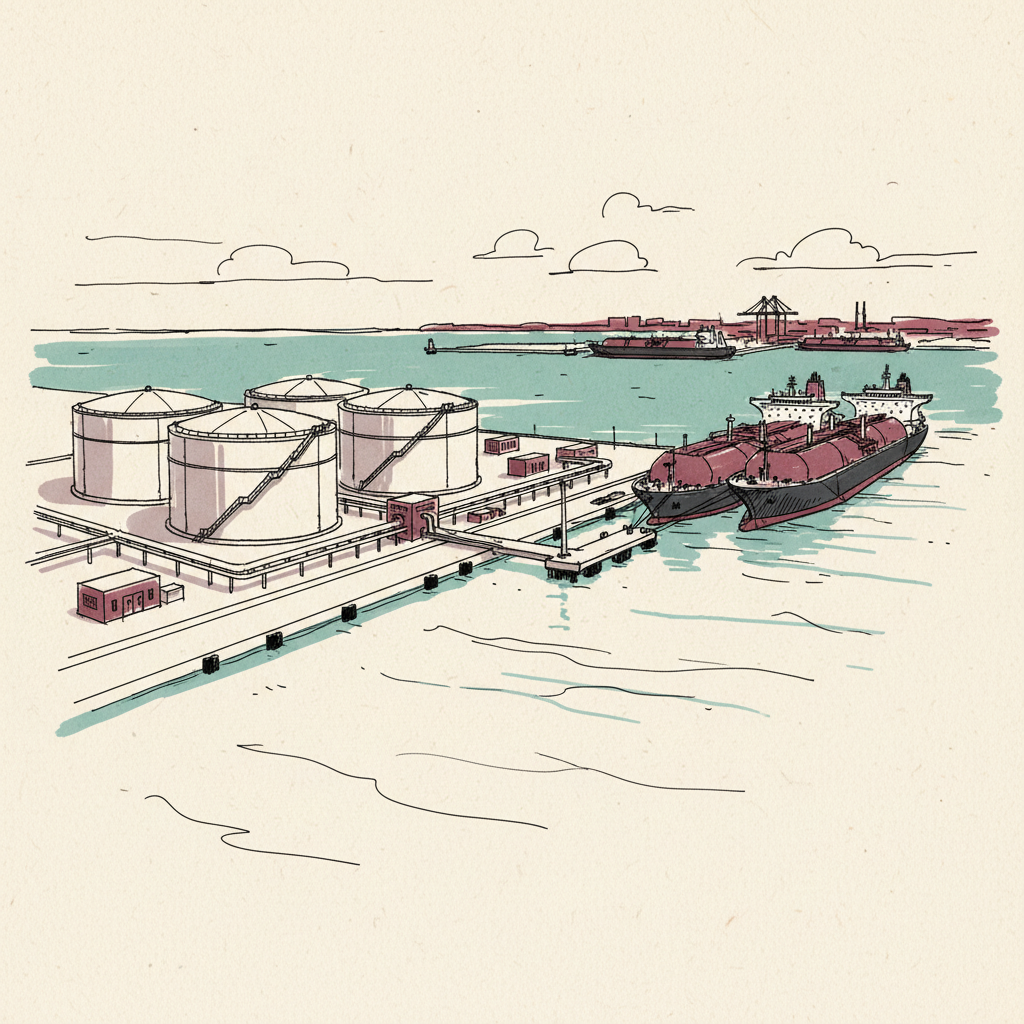
Zeebrugge's LNG terminal, operated by Fluxys, has become the single most important entry point for Russian Arctic LNG into Europe. Belgium received 4.2 million tonnes from Russia's Yamal plant across 58 cargoes in 2025 alone, with total Belgian imports reaching 5.5 bcm that year, double the 2024 figure. The terminal's regasification capacity expanded to approximately 12.6 mtpa following a phased expansion that completed ahead of schedule in January 2025.
Built in the 1980s as Belgium's gateway for Algerian and global LNG, Zeebrugge evolved into Europe's pre-eminent LNG hub partly because it can handle ICE-class Arc7 tankers deployed by Yamal LNG on its Arctic route. A long-term throughput contract with Yamal Trade underpins Russian cargo flows. Fluxys has expanded capacity and added regas slots progressively, most recently offering 12 additional regasification slots for 2026.
Zeebrugge's strategic centrality makes it a focal point in European energy policy debates. The EU's planned phase-out of Russian gas by autumn 2027 will, if implemented, end the terminal's role as a Russian LNG conduit and force Fluxys to seek alternative cargo sources. The terminal's ongoing capacity additions and long-term commercial agreements with non-Russian suppliers suggest it is already diversifying in anticipation.
Why does Belgium import so much Russian LNG through Zeebrugge?
What is Fluxys and does it own Zeebrugge LNG terminal?
What is the capacity of Zeebrugge LNG terminal?

