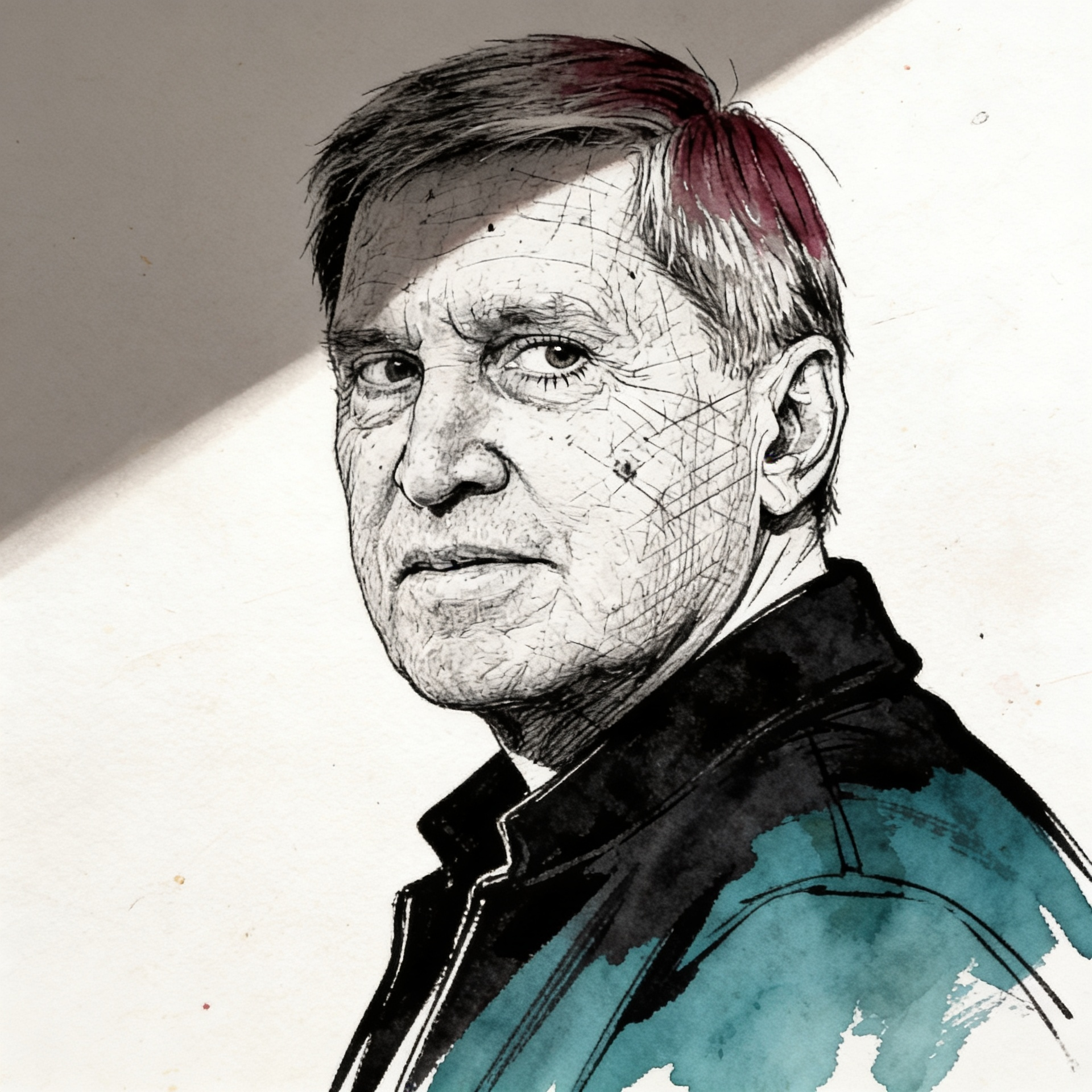
Yury Ushakov
Putin's foreign-affairs aide; sat at the Kremlin table for the Araghchi meeting on 27 April.
Last refreshed: 27 April 2026 · Appears in 1 active topic
What does Putin's top foreign-affairs aide appearing at the Iran session tell us?
Timeline for Yury Ushakov
Attended Putin-Araghchi meeting as presidential aide
Iran Conflict 2026: Putin condemns war; Il-76s carry the kitIran offers Hormuz first; US rejects
Iran Conflict 2026Attended meeting at Boris Yeltsin Presidential Library
Iran Conflict 2026: Yeltsin Library, not Kremlin, hosted AraghchiWho is Yury Ushakov and what is his role in Russia?
Why was Ushakov at the Putin-Iran meeting in April 2026?
What did Putin say about the Iran war on 27 April 2026?
Background
Yury Ushakov is Vladimir Putin's long-serving presidential aide for foreign affairs, a role he has held since 2012 after serving as Russia's ambassador to the United States. He appeared alongside Foreign Minister Sergei Lavrov and GRU Director Igor Kostyukov in the official Kremlin photograph from Abbas Araghchi's meeting with Putin on 27 April 2026. Ushakov is the Kremlin's institutional memory on US-Russia relations and typically appears when meetings carry strategic weight rather than protocol function.
Ushakov's presence at the Araghchi session, alongside both the foreign minister and the intelligence chief, indicated that Moscow was treating the Iran engagement as a matter requiring co-ordination across diplomatic, military-intelligence, and presidential-advisory tracks simultaneously. Putin stated publicly that the US war on Iran was "absolutely unprovoked aggression", though no joint document was signed at the meeting.
His career spans three decades of Russian foreign-policy apparatus. As ambassador in Washington from 1999 to 2008, he was Russia's primary channel to the Bush administration during the Iraq War era. In his advisory role, he has guided Putin through every major Foreign Policy episode since. His appearance at an Iran-focused Kremlin session signals that Russia views the conflict's diplomatic trajectory — not merely its military logistics — as a matter of presidential-level strategic interest.

