US Strategic Petroleum Reserve
Emergency oil stockpile held by the US federal government, the world's largest, used to stabilise energy markets during supply disruptions. 400 million barrels released on 11 March 2026 to stabilise oil prices; crude rose 9% the day after announcement.
Last refreshed: 14 May 2026 · Appears in 1 active topic
How long can the Strategic Petroleum Reserve cushion oil markets if Hormuz stays closed?
Timeline for US Strategic Petroleum Reserve
Mentioned in: US draws 7.9mb, Fujairah rebuilds 96kbd
European Oil MarketsMentioned in: IEA: a billion barrels lost, Brent retreats 13%
Iran Conflict 2026Fell below 350 million barrels, lowest level since 1983
Iran Conflict 2026: Brent $106 on summit Day 1; buffers near exhaustionMentioned in: US diesel tops $5 a gallon, up 34%
Iran Conflict 2026Mentioned in: US lets Iranian oil fund Iran's war
Iran Conflict 2026Background
The US Strategic Petroleum Reserve entered the Iran conflict as a finite buffer. Brent Crude settled at $106.0 per barrel on 14 May 2026, and OilPrice analysts warned that global crude buffers may be exhausted before the Strait of Hormuz reopens. The SPR, which stood below 350 million barrels, the lowest level since 1983, was being assessed as a strategic constraint on US options.
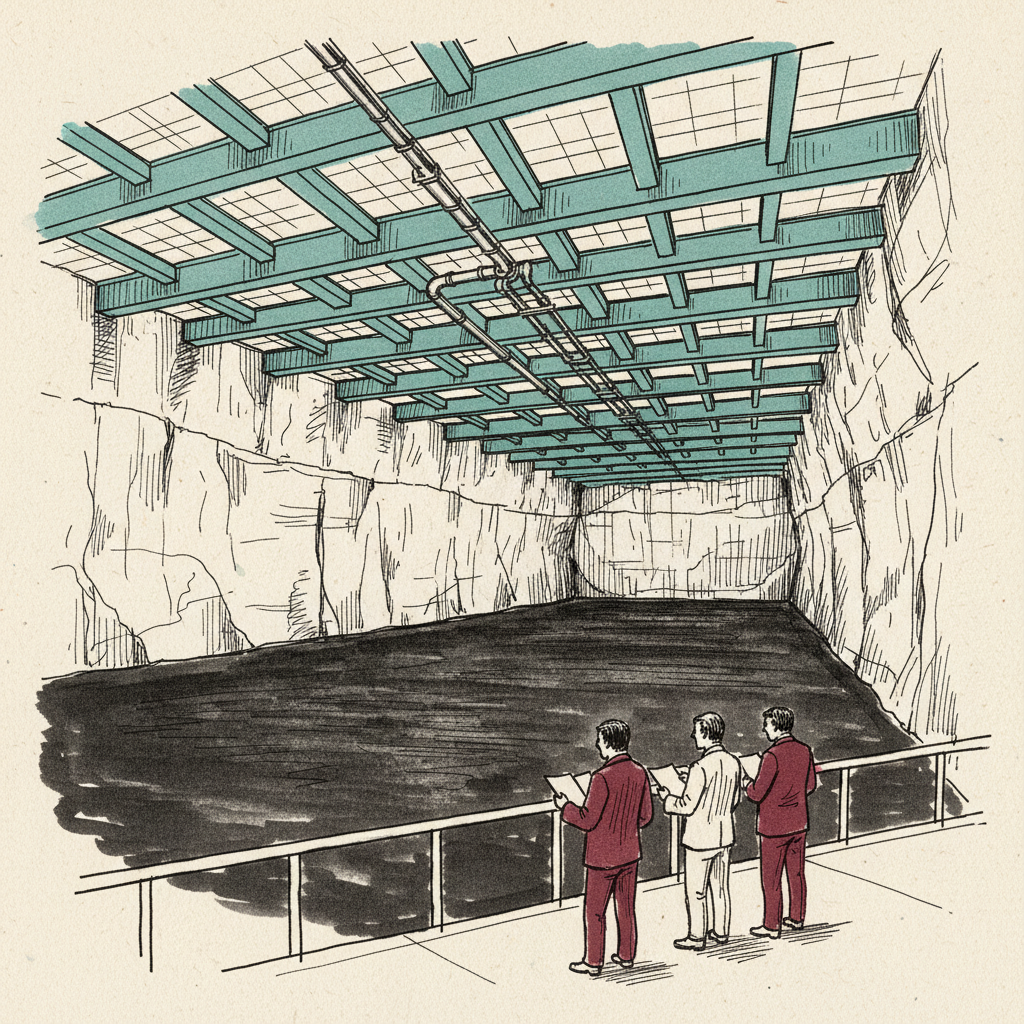
The SPR is the world's largest emergency crude stockpile, held in salt caverns along the US Gulf Coast. Authorised by the Energy Policy and Conservation Act of 1975 after the Arab Oil Embargo, it was designed to provide 90 days of import cover during supply disruptions. Drawdowns under President Biden (2022 POST-Ukraine invasion) and POST-pandemic refill challenges left the reserve significantly depleted before the Iran conflict began.
With Hormuz carrying roughly 20% of global oil trade and the SPR already at multi-decade lows, the reserve's buffer function is materially reduced. Analysts tracking the conflict WARN that sustained Hormuz disruption at current Brent pricing removes the SPR as a credible price-suppression tool within weeks rather than months.
How many barrels are in the US Strategic Petroleum Reserve in 2026?
How long would the SPR last if Hormuz closed completely?
Why is the US Strategic Petroleum Reserve so low?
What impact does a depleted SPR have on oil prices during the Iran conflict?
