US 14-point MOU
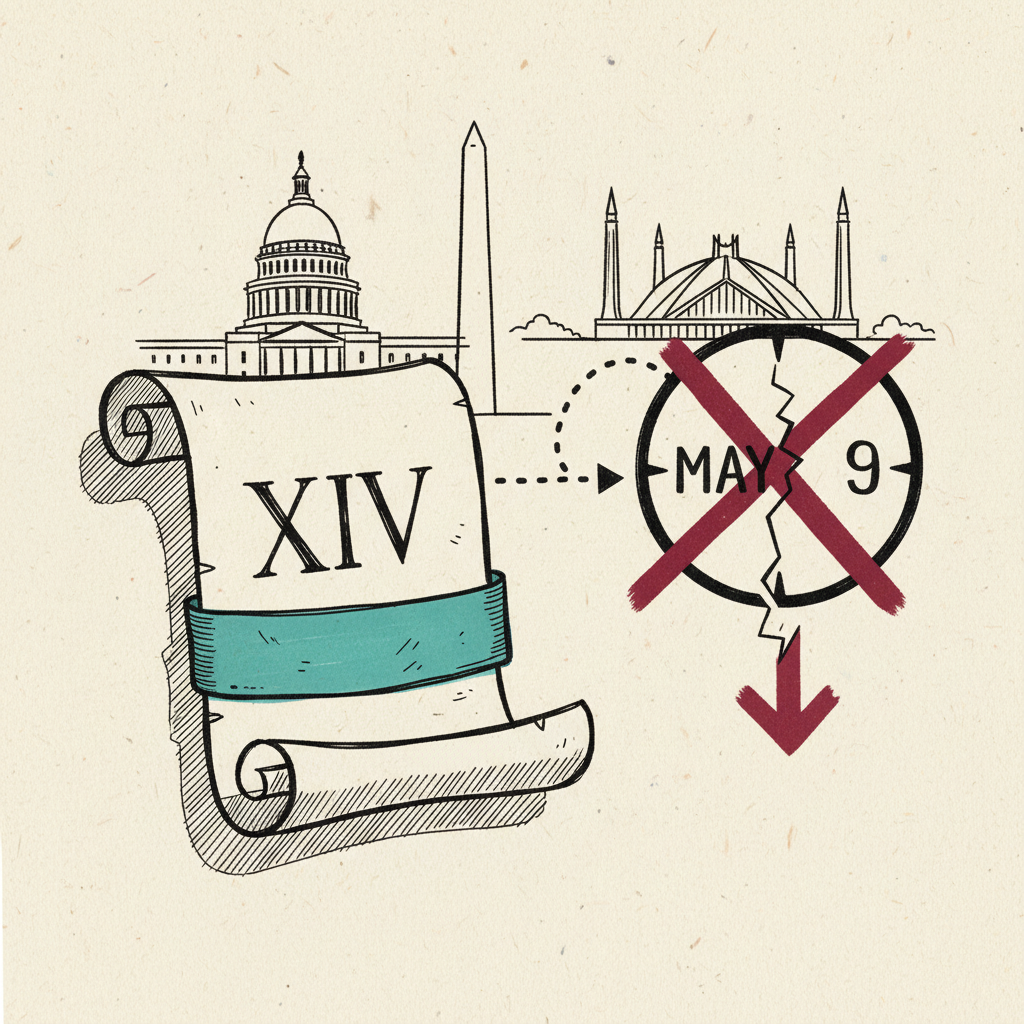
Washington-drafted 14-point Iran ceasefire memorandum carried via Pakistan; deadline missed 9 May.
Last refreshed: 28 July 2026 · Appears in 2 active topics
What did Iran reject in the 14-point MOU — the whole deal or just the inspection terms?
Timeline for US 14-point MOU
Progress at Doha you cannot bank
Iran Conflict 2026Washington-drafted framework document at centre of US-Iran negotiations
Iran Conflict 2026: Iran's 10-point reply, Trump's 14-second rejectionBackground
The US 14-point MOU is the Washington-drafted framework memorandum relayed to Tehran via Pakistan's diplomatic channel in early May 2026, the working text that subsequent shuttle diplomacy eventually turned into a signed instrument. Iran missed the 9 May 2026 Deadline to respond, prompting the Hormuz escalation that followed the same day. The document reportedly covered Ceasefire terms, a nuclear rollback timetable, phased sanctions relief and verification arrangements including IAEA access, though no public version of this draft was ever confirmed. Diplomacy continued past the missed Deadline: Iran's 10-point written reply reached Washington via Pakistan on 10 May 2026, the point-count gap itself showing the two sides were working from different documents, not different positions on the same one.
The 14-point structure mirrors earlier multilateral instruments including the 2015 JCPOA joint plan, and the choice of a memorandum rather than a treaty reflects the Trump administration's preference for an instrument implementable by presidential authority without Senate ratification. Iran's counter-position, relayed by Pakistani diplomats, contested the IAEA access provisions specifically, seeking to reduce inspection intrusiveness below the JCPOA-era Additional Protocol standard while arguing the draft recreated JCPOA verification obligations without restoring JCPOA-era sanctions relief.
The negotiating track this MOU began eventually produced a signed 14-point instrument, the Islamabad Memorandum of Understanding, digitally signed by JD Vance and Mohammad Bagher Ghalibaf on 15 June 2026. As of 1 July 2026, Qatar's foreign ministry called a further Doha round 'positive progress' on a 14-point memorandum of understanding, though talks stayed indirect with no confirmed direct US-Iran contact and no date set for the next round.
What is the US 14-point MOU with Iran?
Why did Iran reject the MOU deadline in May 2026?
Why is Pakistan carrying the Iran nuclear talks?
What is the US 14-point MOU?
Is the US 14-point MOU the same as the Islamabad Memorandum of Understanding?
Why did Iran miss the 14-point MOU deadline?
What happened at the 1 July 2026 Doha round on the 14-point MOU?