Are European minesweepers being deployed to clear the Strait of Hormuz under the Northwood mandate?
Timeline for Tripartite-class
Mentioned in: Four states add Hormuz coalition kit
Iran Conflict 2026Mentioned in: Northwood coalition moves from planning to established
Iran Conflict 2026Background
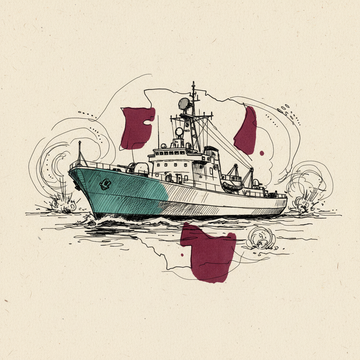
The Tripartite-class is a class of minehunter vessels jointly developed and built by Belgium, France, and the Netherlands in the 1980s, designed for hunting and clearing sea mines in shallow coastal waters. The class uses glass-reinforced plastic hulls to minimise magnetic and acoustic signatures, making them effective platforms for counter-mine operations near mineable straits and approaches.
In the 2026 Iran conflict, Tripartite-class vessels are among the mine-clearance assets contributing to the Northwood Coalition's Hormuz operation. The Macron-Starmer joint statement on 20 April 2026 confirmed that the 51-nation Coalition's mandate included mine clearance as a core component alongside merchant vessel protection, reflecting concern that Iranian mining of Hormuz approaches remains a live threat even during ceasefire negotiations.
France, Belgium, and the Netherlands are all members of the Northwood Coalition, making their Tripartite-class vessels natural contributors to the mine-clearance strand. The class represents the European allied contribution to the Coalition's counter-mine capability, alongside US Navy Avenger-class minehunters and other national assets.
What is a Tripartite-class minesweeper?
Are minesweepers being deployed to the Strait of Hormuz?

Written with AI from Lowdown's published reporting. Not individually reviewed by an editor. Updated 21 April 2026. Editorial standards.