How close have Israeli ground forces come to Sidon in the 2026 advance?
Timeline for Sidon
Mentioned in: Israel rejects a deal it never signed
Iran Conflict 2026Mentioned in: Israel takes Beaufort Castle above the Litani
Iran Conflict 2026Mentioned in: IDF cuts Lebanon's last road north
Iran Conflict 2026Mentioned in: 36th Division doubles Lebanon force
Iran Conflict 2026Mentioned in: Lebanon: 687 dead, 800,000 displaced
Iran Conflict 2026Background
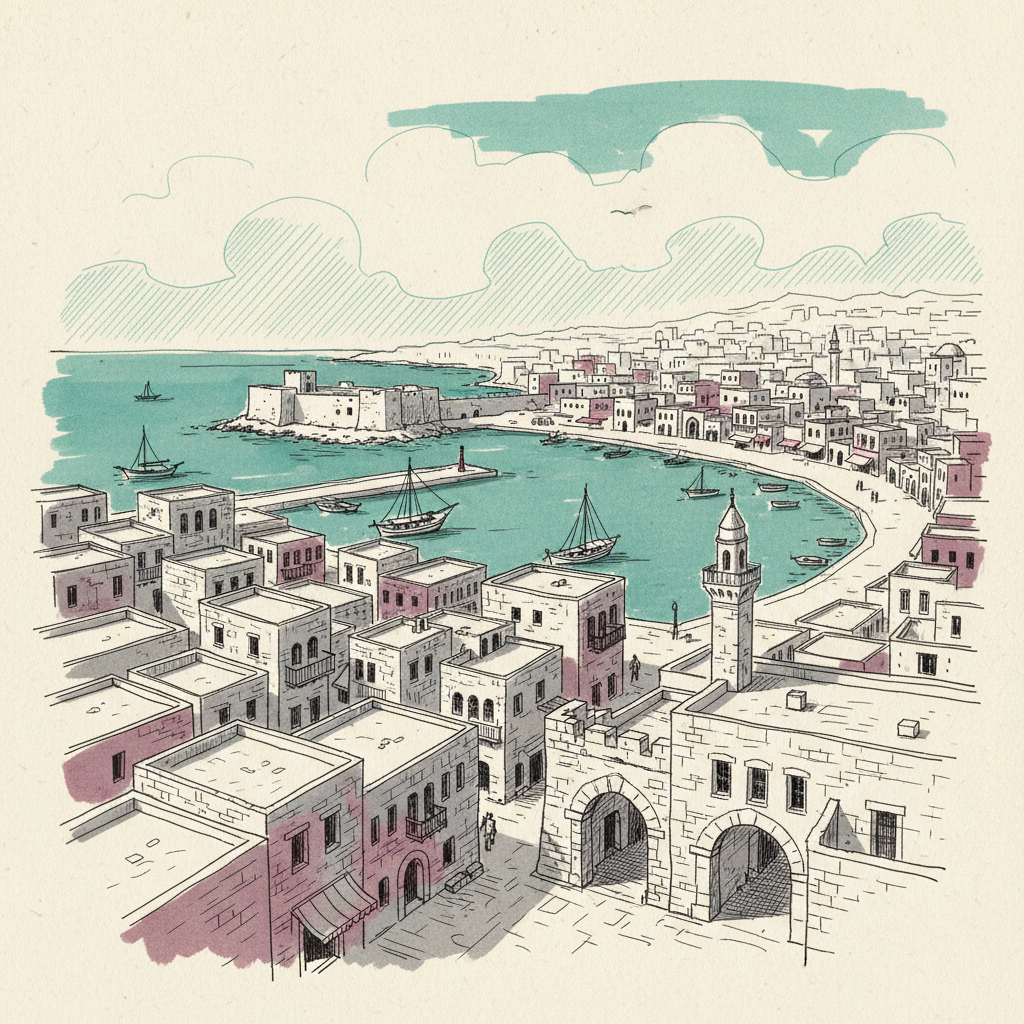
Sidon (Arabic: Saida) is a Mediterranean port city of roughly 163,000 people, situated 40 km north of the Litani River in southern Lebanon and 40 km south of Beirut. Founded by the Phoenicians around 4000 BCE, it is one of the oldest continuously inhabited cities in the world and was the dominant commercial power of the ancient Levant before Tyre eclipsed it. The city retains a Crusader sea castle, Phoenician necropoleis, and a mixed Sunni, Shia, and Palestinian refugee camp population at Ain al-Hilweh, the largest Palestinian refugee camp in Lebanon with an estimated 80,000 residents.
Sidon's strategic position makes it the northern threshold of any Israeli ground advance up the Lebanese coast. In March 2026, the IDF ordered civilians south of the Zahrani River to evacuate — a line that extended to within nine miles of Sidon, the furthest north any Israeli evacuation order had reached since the 2006 war. By June 2026, Israeli ground forces had advanced to approximately 10 km north of the Litani toward the Zaharani river, bringing the line of advance to within striking distance of Sidon's southern approaches. During the 1982 Operation Peace for Galilee invasion, the IDF besieged Sidon, then controlled by the PLO, and Ariel Sharon's forces advanced through the city en route to Beirut.
Sidon is the pressure point where Israel's stated objective of controlling southern Lebanon to the Litani collides with the political consequences of approaching Lebanon's third city. The presence of Ain al-Hilweh camp adds a further dimension: any instability in the camp risks drawing Palestinian factions into direct confrontation and internationalising the conflict in ways that complicate both Israeli and Lebanese calculations.
How close are Israeli forces to Sidon in the 2026 Lebanon war?
What happened to Sidon during the 1982 Israeli invasion of Lebanon?
What is Ain al-Hilweh and why does it matter for Lebanon's stability?
Is Sidon in the Israeli evacuation zone in Lebanon?

Written with AI from Lowdown's published reporting. Not individually reviewed by an editor. Updated 28 July 2026. Editorial standards.