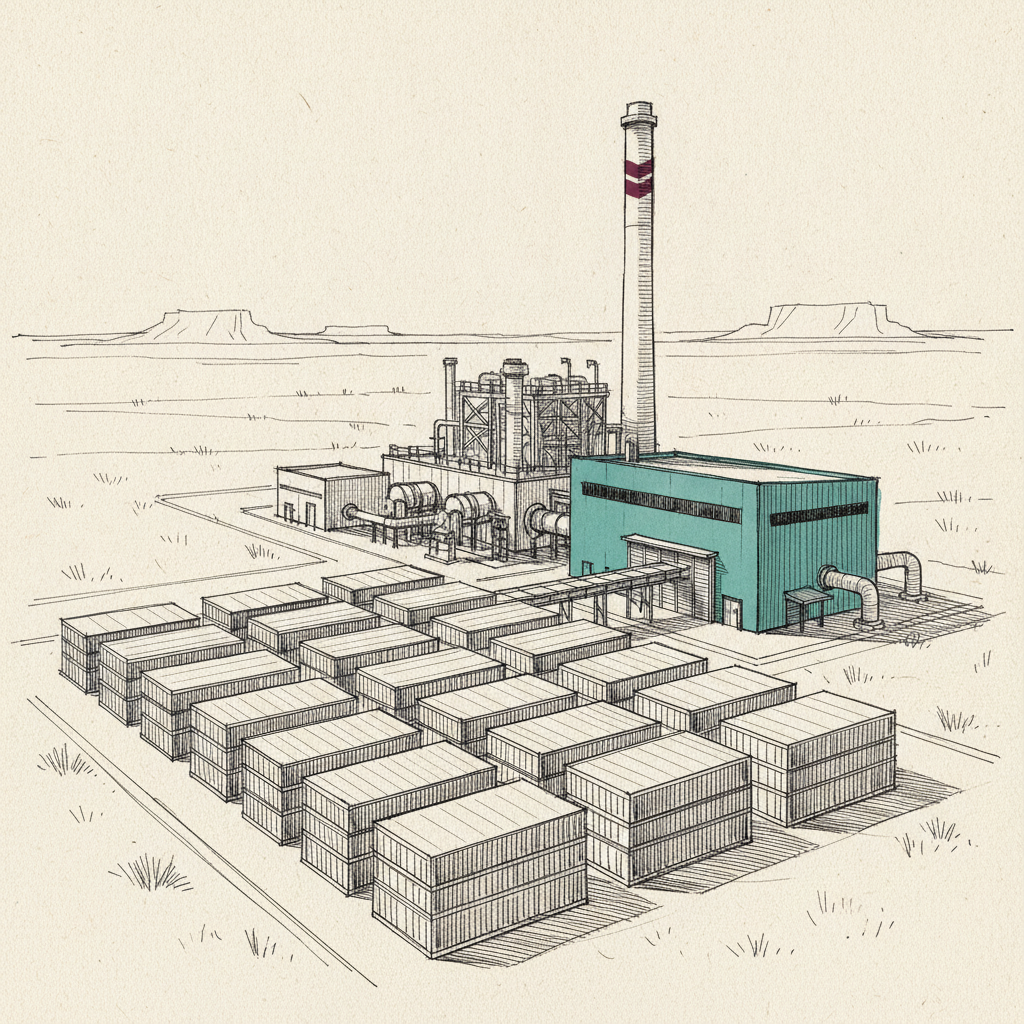
Project Kilby
2.67 GW co-located gas power plant in West Texas, built by Chevron's Energy Forge One for Microsoft under a 20-year PPA; the largest single dedicated-generation deal for a data centre in 2026.
Last refreshed: 28 June 2026 · Appears in 1 active topic
Can Chevron complete Project Kilby before GE Vernova's turbine backlog pushes first power past 2028?
Timeline for Project Kilby
Named co-located gas plant
Data Centres: Boom and Backlash: Chevron builds Microsoft a gas plantMentioned in: FERC delays its grid rule to 2027
Data Centres: Boom and BacklashMentioned in: Texas queue swells to 438 GW
Data Centres: Boom and BacklashBackground
Chevron's Energy Forge One signed a 20-year Power Purchase Agreement with Microsoft on 22 June to build Project Kilby, a 2.67 GW natural gas plant co-located with a West Texas data centre at roughly $7bn in capital expenditure. At 2.67 GW it is the largest single dedicated-generation deal struck for a data centre in 2026, larger than xAI's 1.2 GW Colossus turbines and Meta's 365 MW Wyoming solar build.
The plant feeds the data centre directly behind the meter, bypassing the public grid entirely: no interconnection queue, no regional grid operator, no curtailment order. The Department of Energy has twice exercised emergency curtailment authority over behind-the-meter generation in PJM territory this year, and owning the plant outright removes that exposure. GE Vernova turbines provide the generation, but their backlog is already booked into 2029, so first power is not expected before 2028 and the final investment decision (FID) is pencilled for end-2026.
Project Kilby follows the captive-power logic energy-intensive industry applied to aluminium smelting and steelmaking through the 20th century: when grid supply is too slow, build a private plant. For Chevron, the deal opens a contracted power-services revenue line alongside its core oil-and-gas business, with BP, Shell, and ExxonMobil now facing an explicit build-or-miss-market decision. A Virginia state levy taxing self-generated behind-the-meter power and unresolved legal questions about whether DOE curtailment authority reaches owner-built plants ADD regulatory uncertainty before first power in 2028.

