Power Purchase Agreement
Long-term corporate electricity offtake contract bypassing volatile wholesale day-ahead markets.
Last refreshed: 22 April 2026 · Appears in 1 active topic
Why does the EU think PPAs are the fix for energy price exposure rather than a price cap?
Timeline for Power Purchase Agreement
Mentioned in: SoftBank bets €75bn on France
Data Centres: Boom and BacklashMentioned in: AccelerateEU skips gas storage injection mechanism entirely
European Energy MarketsBackground
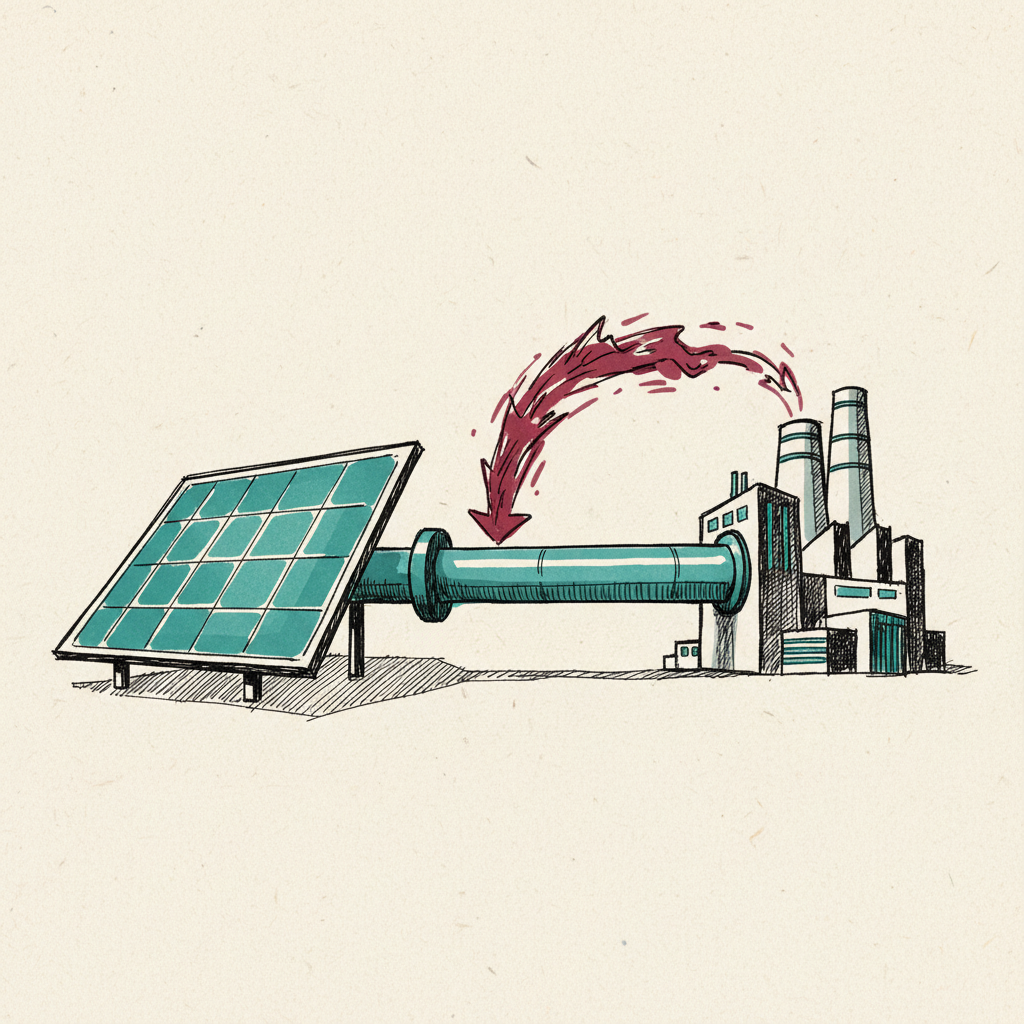
A Power Purchase Agreement (PPA) is a long-term contract between an electricity generator and a corporate buyer, specifying a fixed volume of power at a fixed or formula-linked price over a defined period, typically 10-20 years. Unlike buying electricity through wholesale day-ahead markets, a PPA insulates the buyer from SPOT price volatility by locking in a price Independent of the marginal merit-order clearing mechanism. In European markets, where gas-fired peakers set day-ahead prices at €120-150/MWh on low-wind sessions even when renewable generation covers most of daily demand, PPAs are the primary instrument available to large corporates for structurally reducing power cost exposure.
The European Commission published a PPA Recommendation on 22 April 2026, alongside the AccelerateEU crisis package, calling on member states to remove structural barriers to PPA adoption. the Commission identified inconsistent grid connection rules, administrative complexity, and the absence of contract-for-difference guarantees as the principal obstacles preventing smaller corporates from accessing the PPA market. The recommendation carries no binding legal force but signals Commission preference for PPAs as the structural response to energy price exposure, distinct from emergency consumer-relief measures.
PPAs require a creditworthy corporate buyer, an investable renewable project, and a national regulatory environment that permits direct generator-to-buyer contracts without mandatory exchange clearing. These conditions exist in varying degrees across EU member states, which is why uptake has been concentrated in markets including the UK, Spain, and the Nordic region.