Did Memphis's Colossus set a dangerous precedent for approving industrial gas plants retroactively?
Timeline for Colossus
Mentioned in: Chevron builds Microsoft a gas plant
Data Centres: Boom and BacklashMentioned in: DOE lets PJM switch off data centres
Data Centres: Boom and BacklashReceived 1.2 GW of behind-the-meter gas generation approval
Data Centres: Boom and Backlash: xAI wins 41 gas turbines for ColossusBackground
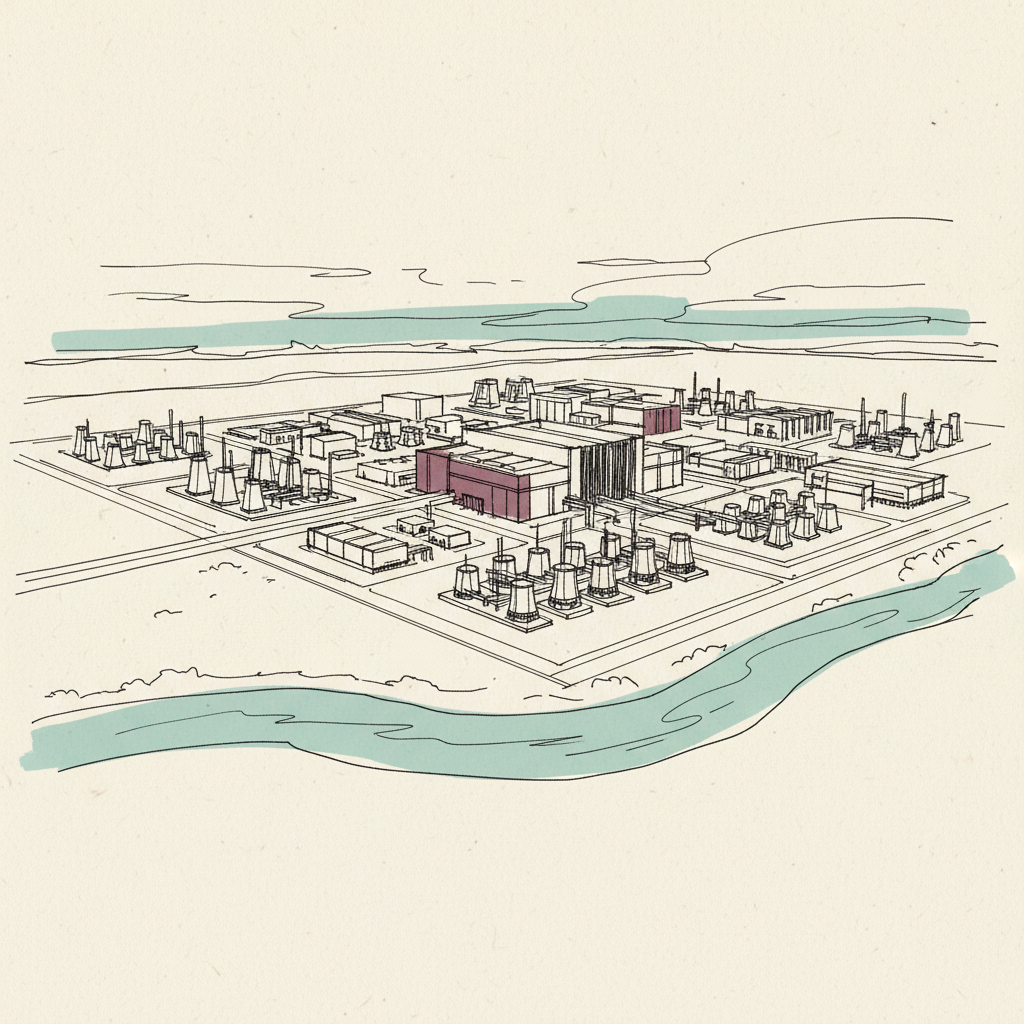
Colossus is xAI's AI supercomputer campus in Memphis, Tennessee, described by the company as the world's largest AI training cluster by GPU count. The facility achieved notoriety in March 2026 when Tennessee authorities approved 41 natural gas turbines totalling 1.2 GW to power it, after the turbines had already been operating under temporary permits. The approval process, which ratified an operational fait accompli, raised concerns from air-quality advocates about regulatory oversight of industrial-scale behind-the-meter generation.
Colossus is located in Shelby County, Tennessee, served by the Tennessee Valley Authority (TVA) grid. The facility uses a combination of onsite gas generation and grid power. Its construction timeline, from announcement to partial operations in under a year, set a speed benchmark that other AI infrastructure operators cited as a template for moving quickly regardless of grid-connection constraints. The 2.67 GW Chevron/Microsoft Project Kilby gas plant, signed in June 2026, surpassed Colossus as the largest single dedicated-generation deal for a data centre in 2026.
The site's location in a majority-Black neighbourhood in Memphis has drawn attention from environmental justice advocates, WHO argue the air-quality impacts of 1.2 GW of gas turbines were inadequately assessed before approval.