How badly have Ukrainian drone strikes damaged Russia's Baltic oil exports?
Timeline for Nikolai Tokarev
Mentioned in: Iran War Hands Russia an Unexpected Oil Windfall
Russia-Ukraine War 2026Baltic Terminals Stay Offline; Russia Reroutes Through Arctic
Russia-Ukraine War 2026Background
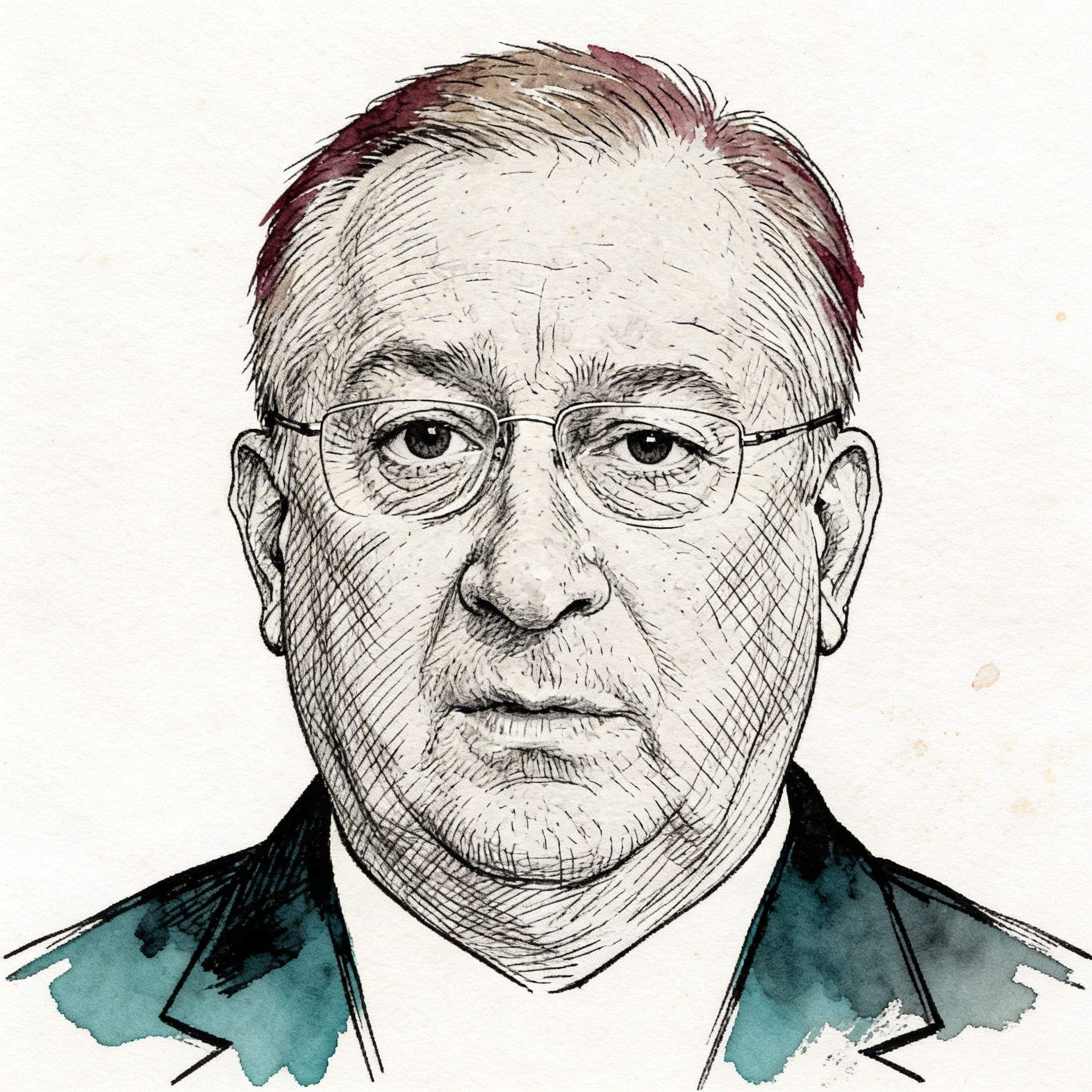
Nikolai Tokarev commands Transneft, Russia's state-owned pipeline monopoly that moves roughly 90% of the country's crude oil and links its export terminals to global markets. He entered the spotlight in March 2026 after Ukrainian drone strikes disabled fuel terminals at Ust-Luga and Primorsk, forcing a reroute of Baltic petroleum exports through Arctic ports. In a rare public acknowledgement, Tokarev conceded that Arctic routing is significantly slower and more costly, requiring ICE-class vessels and 15-20 day transits compared with 8-10 days from the Baltic.
Tokarev's career spans decades in Russia's security and energy nexus. He served as an FSB officer in the KGB era and was stationed at the Soviet residency in Dresden during the same period as Vladimir Putin, cementing a personal and professional bond that has defined his subsequent rise. Appointed Transneft president in 2007, he has managed the company through Western sanctions, pipeline disputes with transit states, and repeated geopolitical disruptions. His longevity reflects both operational competence and proximity to the Kremlin's inner circle.
The Baltic terminal disruptions he is managing carry significance beyond logistics. Despite a 43% collapse in Baltic export volumes, record Urals crude prices driven by the Iran war have caused Russia's oil revenues to surge, projecting roughly $150 million per day in additional income in April 2026. Tokarev's ability to sustain export flows, even degraded ones, through Arctic routes is therefore a strategic priority for the Russian state.
Who is Nikolai Tokarev and why does he matter to Russia's oil exports?
How have Ukrainian drone strikes affected Russia's Baltic oil terminals?
Is Russia still making money from oil despite the Baltic terminal damage?
What is the connection between Tokarev and Putin?
Why is Arctic oil export routing more expensive than Baltic routes?


