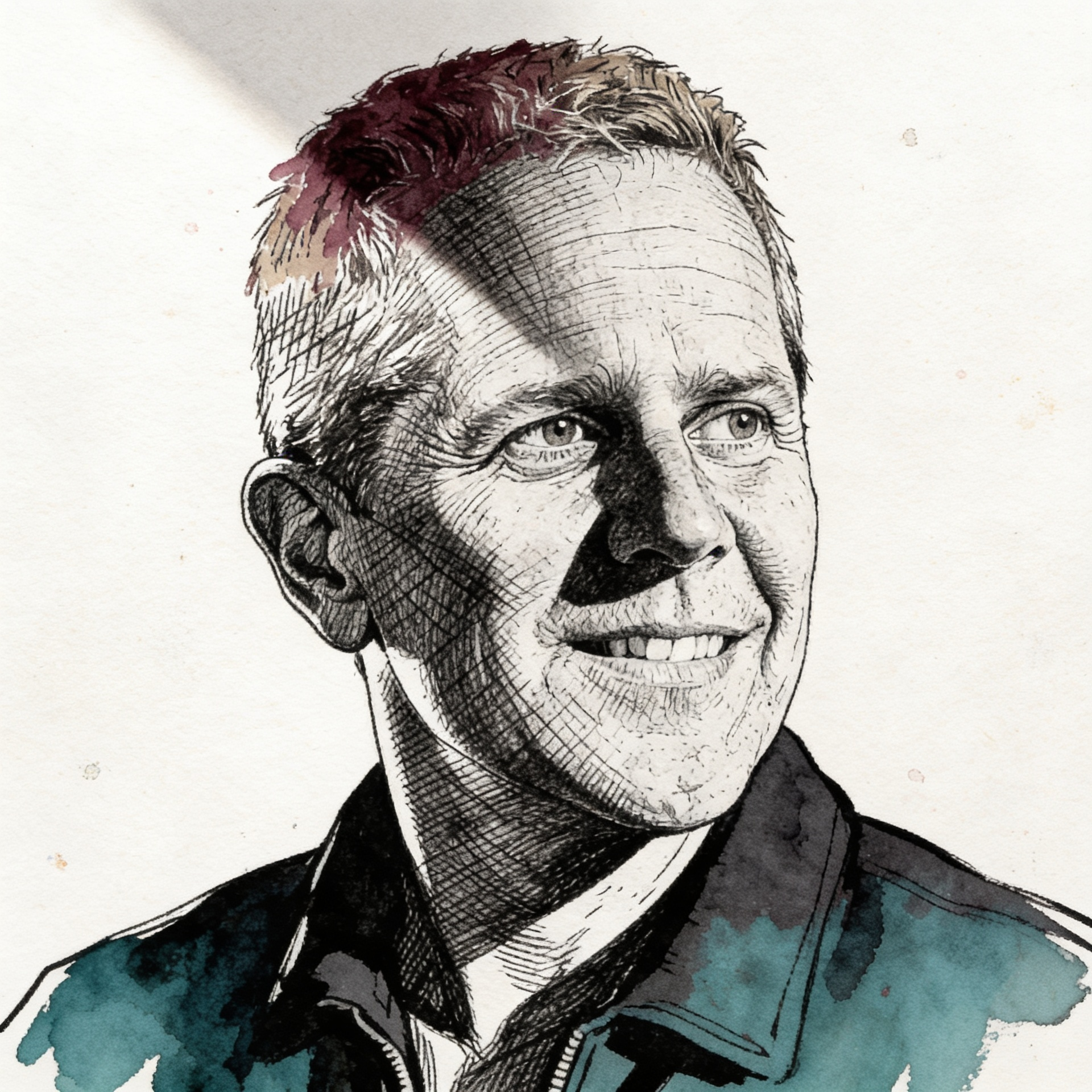
Michael Barr
Federal Reserve Governor; described US Labour market as 'low hire, low fire' in March 2026.
On 14 July 2026, Federal Reserve Governor Michael Barr told a Fed conference AI had caused little economy-wide job displacement so FAR, citing a 43% to 10% adoption gap between graduate and high-school-educated workers.
Last refreshed: 22 September 2026 · Appears in 1 active topic
What does a Fed Governor calling the US jobs market 'frozen' mean for AI's impact on employment?
Timeline for Michael Barr
Mentioned in: Half of euro-area workers now use AI
AI: Jobs, Power & MoneyMentioned in: Canada finds the hiring door narrowing
AI: Jobs, Power & MoneyCited as an illustration of the hiring-suppression channel
AI: Jobs, Power & Money: Mentioned in: New York Fed: adoption up, sackings rareTold a Fed conference AI has caused little economy-wide job displacement
AI: Jobs, Power & Money: Fed's Barr sees no AI displacement yetFed Governor whose earlier low-hire low-fire description Cook escalated
AI: Jobs, Power & Money: Mentioned in: Fed governor names AI job-loss riskBackground
Michael Barr is a Governor of the US Federal Reserve Board, appointed by President Biden in 2022 and confirmed by the Senate. He served as The Fed's Vice Chair for Supervision from 2022 until early 2025, when he stepped down from that specific role while remaining a board member.
His academic and regulatory background is in financial regulation, digital payments and financial inclusion; he is a professor at the University of Michigan Law School. As Vice Chair for Supervision, he oversaw The Fed's bank examination and regulatory framework, including the POST-Silicon Valley Bank supervisory reforms.
Barr's public assessments of the Labour market carry institutional weight because they come from a sitting Federal Reserve Governor rather than a private analyst, giving official Fed language to conditions that economists had previously described only informally.
Barr sees no AI job displacement
On 26 March 2026 Barr described the US Labour market as 'low hire, low fire', giving official Federal Reserve language to a stasis private analysts had tracked through JOLTS data for months: near-zero net job creation over the prior year, with hiring and firing both subdued.
On 14 July, at The Fed's Financial Inclusion Conference, he sharpened that caution, telling delegates AI had so FAR produced little evidence of economy-wide job displacement. He pointed instead to an adoption divide of 43% among graduate-degree workers against 10% for those with a high-school education or less, calling it an early warning for entry-level workers.