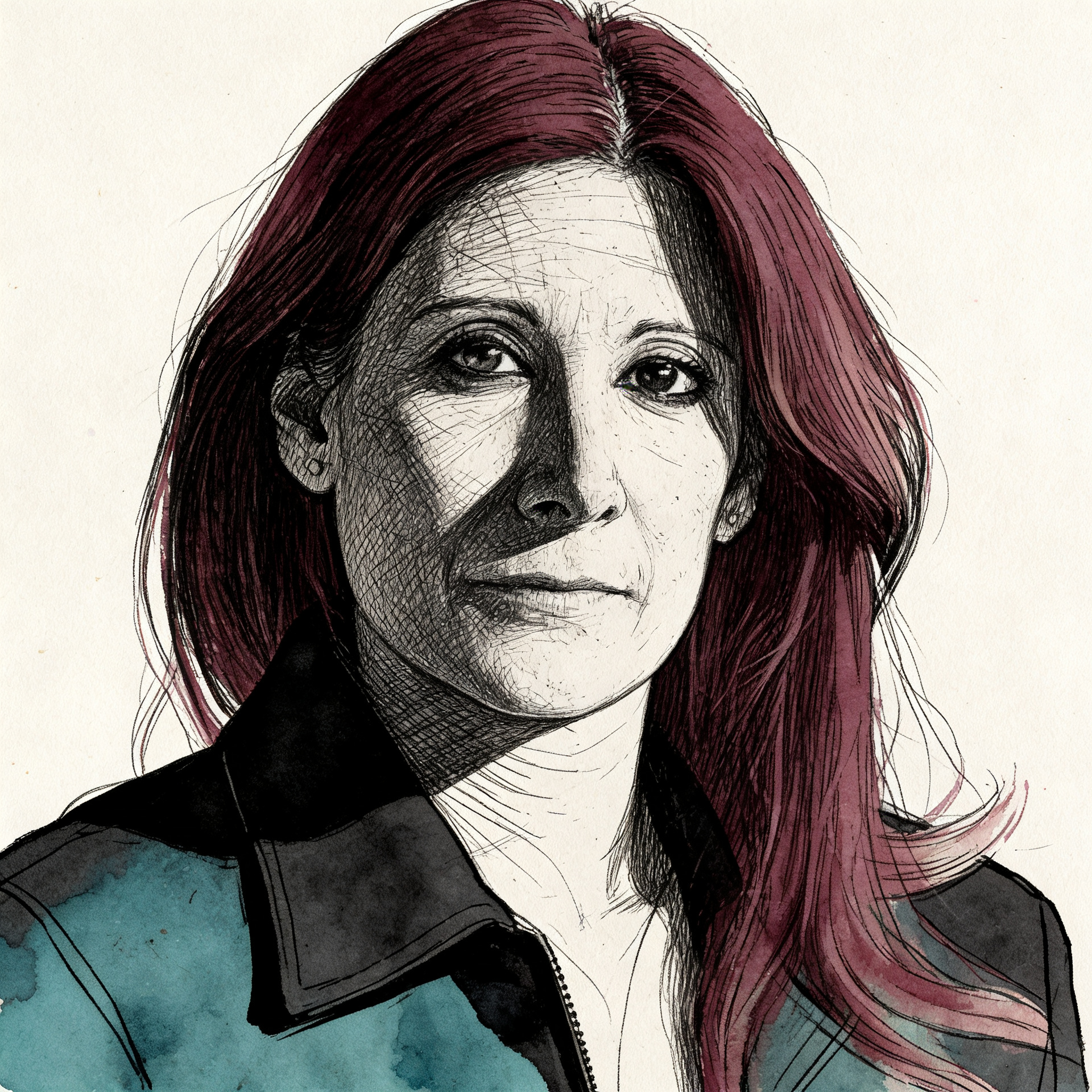
Maria Van Kerkhove
WHO Director of Epidemic and Pandemic Preparedness; lead voice on MV Hondius outbreak.
Last refreshed: 17 May 2026 · Appears in 1 active topic
Why did the WHO insist the Hondius cluster is not the next COVID?
Timeline for Maria Van Kerkhove
Stated WHO readiness to deploy vaccines only where species-matched
Pandemics and Biosecurity: WHO declares Ebola PHEIC, no committeeMentioned in: No approved Ebola drug works on Bundibugyo
Pandemics and BiosecurityMentioned in: UK airdrops supplies to isolated island Andes case
Pandemics and BiosecurityMentioned in: WHO upgrades Hondius Andes risk to MODERATE
Pandemics and BiosecurityCharacterised outbreak as serious but not the next COVID
Pandemics and Biosecurity: Andes hantavirus confirmed in Swiss returneeBackground
Maria Van Kerkhove is a US-Born epidemiologist WHO serves as WHO Director of Epidemic and Pandemic Preparedness and Prevention, a role she assumed in 2024 following the retirement of Sylvie Briand. She joined WHO in 2017 and previously led the Emerging Diseases and Zoonosis unit, becoming publicly prominent during the COVID-19 pandemic as a technical lead for WHO's Health Emergencies Programme. She is known for calibrated public risk communication, consistently distinguishing between what is confirmed, what is plausible, and what remains unknown in fast-moving outbreak situations. Her academic background spans epidemiology and infectious disease, with field experience in MERS, Ebola, and influenza response before COVID.
Van Kerkhove publicly characterised the MV Hondius hantavirus cluster as "serious but not the next COVID" in May 2026, following confirmation of Andes virus in a Swiss disembarkee, the only hantavirus with documented person-to-person transmission capability. Her framing was load-bearing: it held the line between appropriate monitoring urgency and public alarm while acknowledging that Andes virus behaves differently from all other hantaviruses. WHO's Disease Outbreak News 599, published 2 May 2026, predated the Andes strain confirmation and carried a rodent-only risk framing that became outdated within days of publication. Van Kerkhove's position as the WHO's most visible communicator on the cluster made her assessment the reference point for national health agencies calibrating their response.
On the Bundibugyo PHEIC declared 17 May 2026, Van Kerkhove stated that WHO stood ready to deploy vaccines — but with the explicit caveat that their use depended on the species match: "should it turn out to be a strain where a vaccine can be used." The qualification matters: all approved Ebola vaccines and antibody therapies target Zaire ebolavirus only, with no licensed efficacy against Bundibugyo. Her framing signals WHO's awareness of the MCM gap without overpromising tools that do not exist — consistent with the calibrated communication style she applied throughout the Hondius cluster.
Who is Maria Van Kerkhove at the WHO?
What did Maria Van Kerkhove say about the MV Hondius outbreak?
How does Van Kerkhove's role differ from the WHO Director-General?
Who is Maria Van Kerkhove?
What does the WHO Epidemic and Pandemic Preparedness directorate do?
What is WHO's current risk assessment for H5N1?
Why did WHO appoint Van Kerkhove to lead pandemic preparedness?
How does WHO track emerging pandemic threats like H5N1?
What did Maria Van Kerkhove say about the Bundibugyo Ebola outbreak?
What did WHO say about the Hondius ship Andes virus outbreak?
Is there a vaccine for Bundibugyo Ebola?

