Large-Load Interconnection Queue
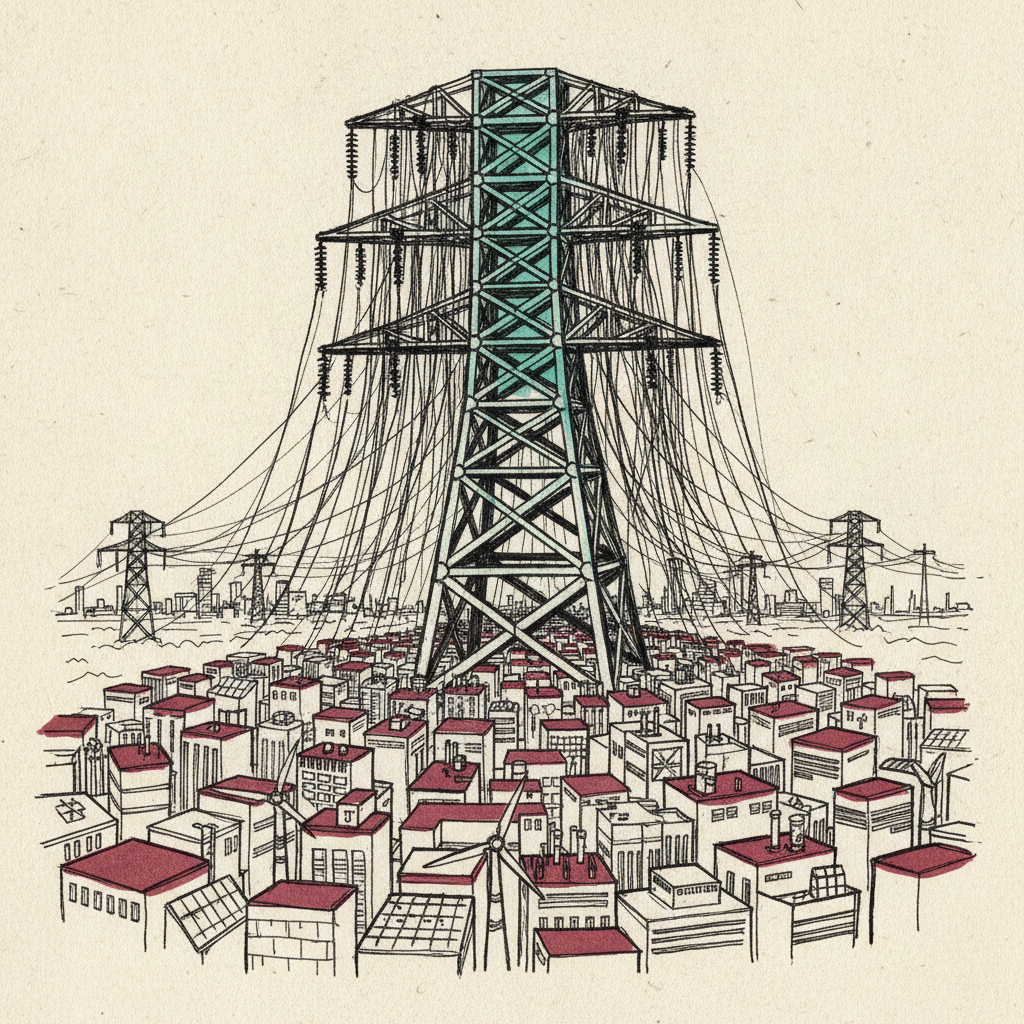
Backlog of large new electricity loads awaiting grid connection; ERCOT's reached 438 GW in June 2026.
Last refreshed: 28 June 2026 · Appears in 1 active topic
Will the US grid interconnection backlog ever clear fast enough to make the queue a viable route for AI data centres?
Timeline for large-load interconnection queue
Texas queue swells to 438 GW
Data Centres: Boom and BacklashBackground
US grid interconnection queues have been overwhelmed by data-centre demand since 2024, and in 2026 the backlog became the primary driver of capital decisions. ERCOT's large-load queue reached 438 GW in June 2026, roughly five times Texas's peak electricity demand, with approximately 90% of that queue made up of data centres. The queue has nearly doubled from the 225 GW at which Texas first tried to clear it, growing by tens of gigawatts per quarter while the study processes designed to address it take years.
An interconnection queue is the sequential backlog of applications from large electricity users or generators seeking to connect to the transmission grid. Each applicant must pass a grid-impact study before a connection agreement can be issued, and the studies must run in order; a single withdrawn application causes studies behind it to be re-run. The result is compounding delay: FERC's large-load proceeding has produced only show-cause orders as of 18 June 2026, deferring any binding standard to 2027. ERCOT's Batch Zero study will not produce a final transmission plan until autumn 2027. US transformer lead times simultaneously stretched to 36 to 48 months, adding a physical hardware bottleneck on top of the regulatory one. Operators respond by building co-located generation to bypass the queue entirely, or by routing capacity to lower-friction jurisdictions such as India.

