Isfahan tunnel complex
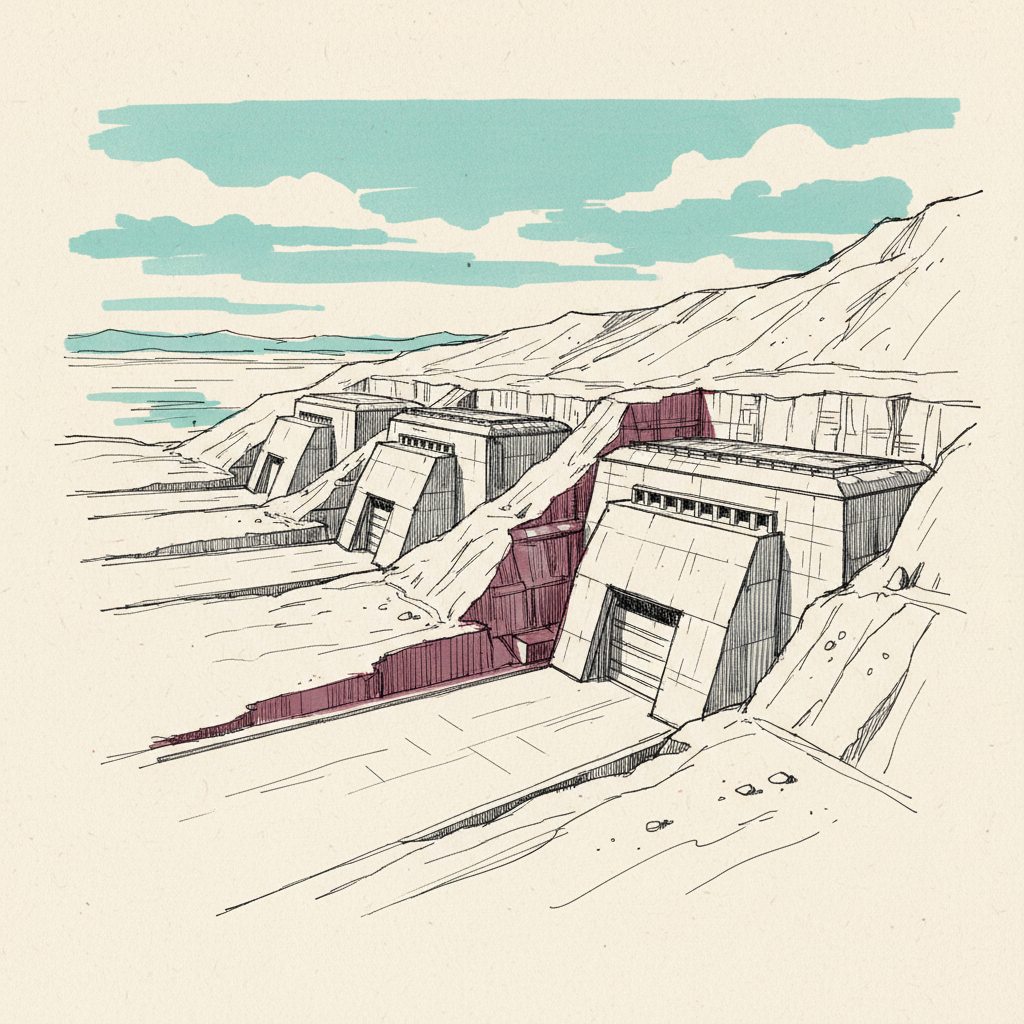
Iran's fourth underground enrichment plant at Isfahan, holding the 440.9 kg 60%-enriched uranium stockpile.
Last refreshed: 28 July 2026 · Appears in 1 active topic
Why can't the IAEA verify Iran's uranium stockpile at Isfahan?
Timeline for Isfahan tunnel complex
Trump vetoes Iran's only uranium exit
Iran Conflict 2026Mentioned in: Khamenei orders the uranium to stay
Iran Conflict 2026Background
Iran's primary negotiating liability since the 2026 conflict began is the 440.9 kg of uranium enriched to 60% held at the Isfahan tunnel complex, a figure the IAEA cannot independently verify because inspectors have had no access since 28 February 2026. The stockpile sits a short technical step from weapons-grade material and has become the central obstacle in US-Iran talks: Washington demands the uranium leave Iran before a deal is finalised; Tehran has refused. When the US and Iran's other interlocutors explored third-country custody as a workaround, Donald Trump rejected both Russia and China as eligible hosts at a 27 May Cabinet meeting, eliminating the only sequencing bridge on the table.
The complex is Iran's fourth known enrichment plant, first disclosed publicly by the IAEA in early 2026 after inspectors were denied access and could not determine whether the facility was yet operational. It sits beneath Isfahan, a city that has been struck multiple times during the conflict; GBU-72 Advanced 5K Penetrator bunker-busters were used against nuclear facilities at Fordow, Natanz, and the Isfahan area during June 2025 strikes, confirming that the hardened underground profile is not incidental but was built to survive exactly that class of weapon. Supreme Leader Mojtaba Khamenei's 21 May directive ordering the stockpile to remain inside Iran foreclosed the export option Iran had previously offered as a confidence-building measure.
The facility's significance extends beyond the immediate conflict. An underground enrichment site inaccessible to inspectors and capable of holding near-weapons-grade material sets a precedent for how Iran intends to manage its nuclear programme under military pressure: dispersal, concealment, and leverage rather than transparency. Any future settlement that does not address the Isfahan complex directly leaves the core proliferation question unanswered, regardless of what broader diplomatic language surrounds it.
What is the Isfahan tunnel complex?
How much enriched uranium does Iran have at Isfahan?
Why has the IAEA been denied access to Isfahan?
Can the Isfahan nuclear site survive a military strike?
Why is Iran's uranium stockpile the main obstacle in nuclear talks?

