Goruk
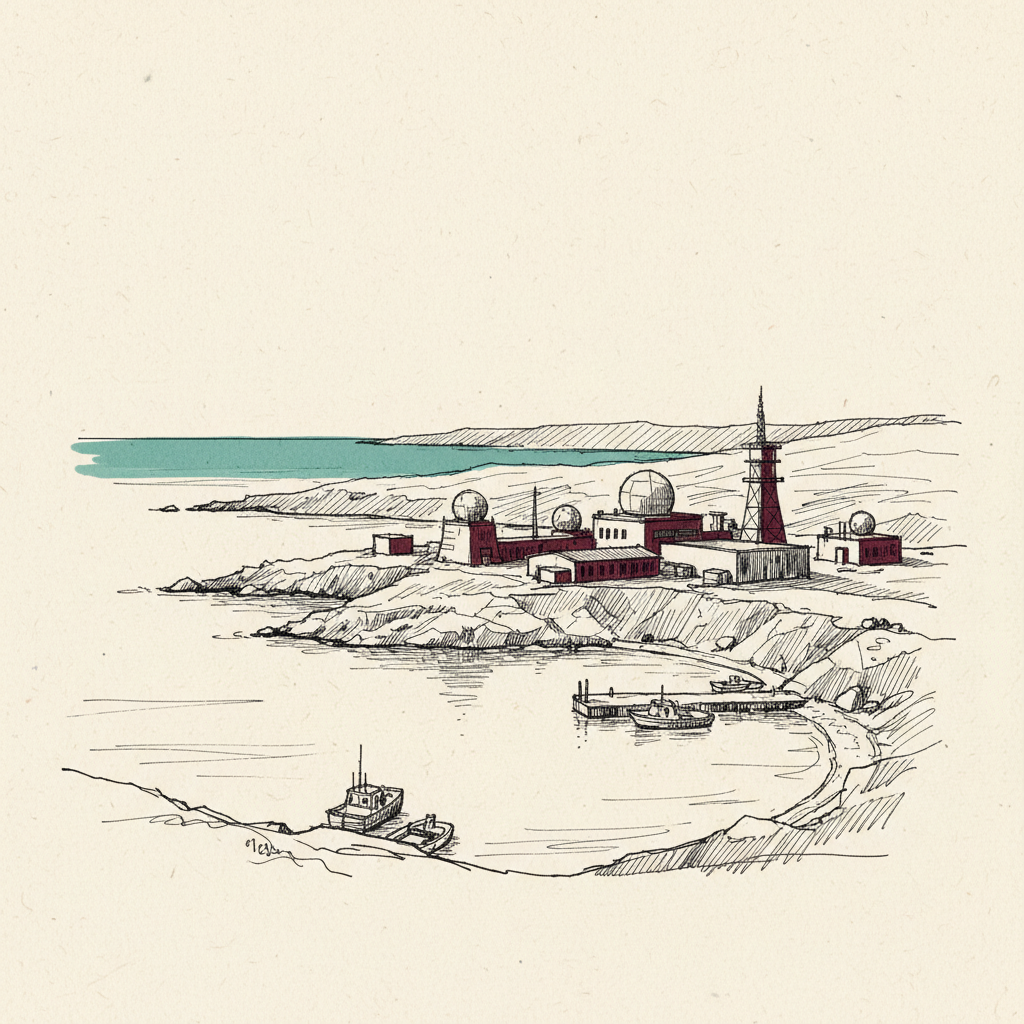
Goruk is an Iranian coastal location housing radar installations, struck by CENTCOM on 31 May–1 June 2026.
Last refreshed: 1 June 2026 · Appears in 1 active topic
Why is CENTCOM targeting radar sites like Goruk rather than missile batteries?
Timeline for Goruk
Mentioned in: IRGC salvo hits two Gulf states at once
Iran Conflict 2026Mentioned in: IRGC hits Sirik base, vows sharper reply
Iran Conflict 2026Mentioned in: Denmark rates Iran terror threat 4 of 5
Iran Conflict 2026Struck by CENTCOM as a radar installation
Iran Conflict 2026: CENTCOM hits Goruk and Qeshm IslandBackground
Goruk is a site on Iran's southern Hormozgan coast housing radar installations and drone command-and-control (C2) infrastructure operated by the Islamic Revolutionary Guard Corps. US CENTCOM struck Goruk alongside Qeshm Island over the weekend of 31 May-1 June 2026, describing the raids as "measured and deliberate" self-defence after Iran shot down a US MQ-1 drone over international waters. CENTCOM said the strikes targeted facilities directly enabling Iran's surveillance and drone-launch capability across the Strait of Hormuz approaches.
Goruk's radar network forms part of Iran's layered coastal surveillance architecture that feeds targeting data to IRGC fast-attack boat squadrons and shore-based missile batteries. Striking the C2 node is consistent with CENTCOM's stated aim of degrading Iran's ability to coordinate strikes against US naval assets and regional partners. The Center for Strategic and International Studies analysts Mark Cancian and Chris Park noted on 27 May that Operation Epic Fury had already spent down key munitions stocks, creating a window of vulnerability; the Goruk strike indicates the US judged the tactical benefit of neutralising the radar network worth that cost.
The targeting of Goruk follows a pattern of CENTCOM strikes on Iranian command, communications, and radar nodes dating to the opening of the conflict. Unlike direct strikes on missile batteries, radar and C2 suppression is harder for Iran to replenish quickly and degrades the coherence of any coordinated naval response across the lower Gulf. The Goruk raid and the subsequent IRGC retaliation against Sirik Island illustrate the escalating cycle of infrastructure-targeting that had displaced kinetic air-to-air engagements as the dominant mode of the conflict by June 2026.