Golan Heights
Plateau captured by Israel from Syria in 1967, annexed in 1981; its status is internationally contested.
Last refreshed: 17 June 2026 · Appears in 1 active topic
What is the legal status of the Golan Heights and who controls it now?
Timeline for Golan Heights
Mentioned in: Lebanon is where the deal cracks first
Iran Conflict 2026Mentioned in: Israel closes all schools after strike
Iran Conflict 2026Mentioned in: 36th Division doubles Lebanon force
Iran Conflict 2026Background
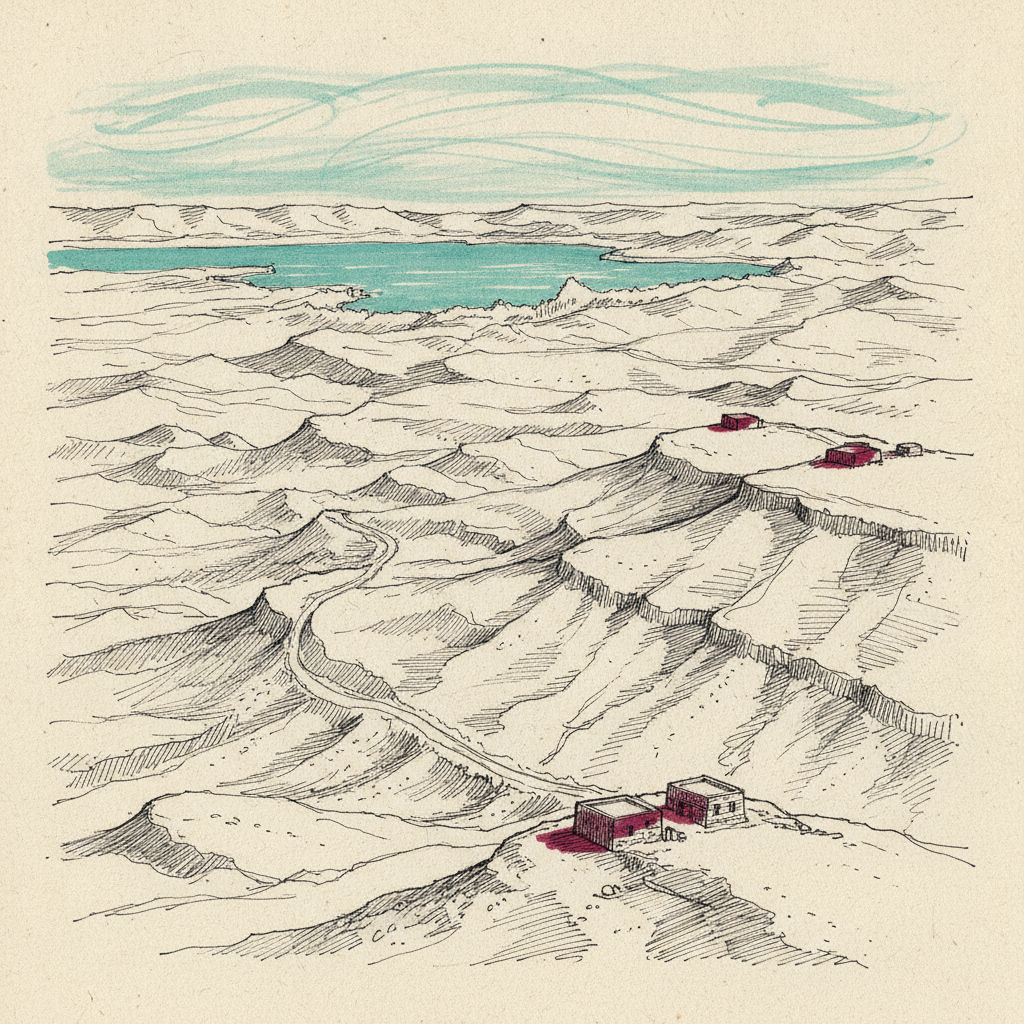
The Golan Heights is a basalt plateau in the southern Levant, captured by Israel from Syria during the 1967 Six-Day War and placed under Israeli military administration. Israel applied civil law to the territory in 1981, an act internationally characterised as annexation. The UN Security Council deemed the annexation null and void in Resolution 497 (1981); no United Nations member recognised Israeli sovereignty until the United States did so by presidential proclamation in 2019. Syria continues to claim the territory as its own.
The plateau's strategic value is primarily military and geographic: it overlooks the Damascus plain to the east and northern Israel to the west, giving whoever controls it commanding observation over both. The Syrian side hosts the town of Quneitra, largely destroyed and abandoned since the 1973 Yom Kippur War, in which Syria briefly recaptured part of the territory before Israeli forces pushed back. A UN Disengagement Observer Force (UNDOF) has monitored the Ceasefire line since 1974.
The collapse of the Assad government in late 2024 and subsequent instability in southern Syria has added new complexity to the Golan's status. Israeli forces conducted operations beyond the 1974 Ceasefire lines in the period following Assad's fall, extending their presence into the demilitarised buffer zone. In the context of the 2026 Iran-Israel conflict, the Golan represents a northern flank where Iranian-backed militias previously held positions in Syrian territory adjacent to the plateau.
Who controls the Golan Heights and why is it disputed?
When did the United States recognise Israeli sovereignty over the Golan Heights?
What happened in the Golan Heights after Assad fell in Syria?
What is UNDOF and what does it do in the Golan Heights?