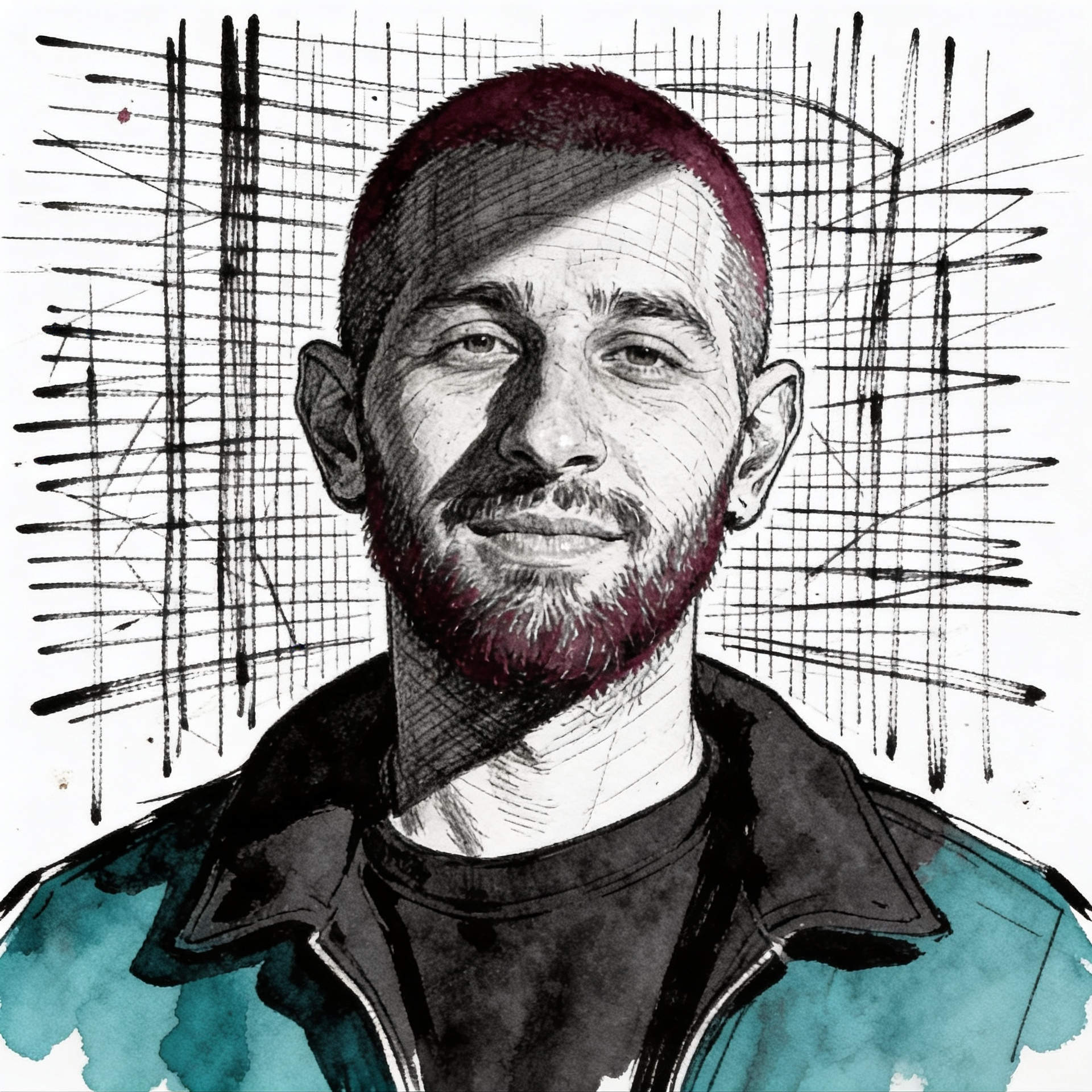
Ali Fahim
Iranian protest detainee executed at Ghezel Hesar in April 2026; one of at least 17 wartime political executions.
Last refreshed: 28 July 2026 · Appears in 1 active topic
With three of Ali Fahim's co-defendants in solitary, how many more executions will the war provide cover for?
Timeline for Ali Fahim
Mentioned in: Yazd execution; three Ali Fahim defendants in solitary
Iran Conflict 2026Mentioned in: Three Iran teens days from execution
Iran Conflict 2026Executed protest detainee; co-defendants flagged for imminent execution
Iran Conflict 2026: Mentioned in: Iran executes Erfan Kiani, eighth wartime hangingMentioned in: Three Ali Fahim co-defendants face execution
Iran Conflict 2026Mentioned in: Iran executes Shirzadi Fakhr at dawn
Iran Conflict 2026Background
Ali Fahim was confirmed executed at Ghezel Hesar Prison in Karaj on 20 April 2026, the fourth execution in a single protest-related case, according to Hengaw. His family received no prior notice, consistent with the judiciary's pattern of secret wartime executions. He had previously been named in Iran HRM documentation of 13 political executions carried out in the 18 days between 19 March and 6 April 2026, during which Iran's internet blackout provided cover for the authorities.
Fahim was a protest detainee, arrested during demonstrations that followed the outbreak of the 2025-26 conflict. His case is part of a pattern established during the 2022 Mahsa Amini protests, when Iranian courts used wartime and unrest to clear protest-related cases through summary proceedings. By 24 April 2026, three co-defendants in his case — Shahab Zahdi, Abolfazl Salehi Siavoshani and Yaser Rajaeifar — remained in solitary confinement at Ghezel Hesar facing imminent execution. Hengaw's running total had reached 17 political executions since 28 February 2026, and a Q1 2026 total exceeding 160.
Fahim's individual case is documented but represents a wider phenomenon: the convergence of battlefield deaths, civilian casualties, and domestic political executions under internet blackout makes Independent verification deliberately difficult. The eight wartime protest-era detainees whose executions Hengaw confirmed share a common pattern — arrest during demonstrations, moharebeh or similar charges, Supreme Court upholding the sentence, secret execution without family notice. Erfan Kiani's execution on 25 April 2026 extended that pattern to eight.