Mahsa Amini protests
2022 Iranian uprising whose protest-era prisoners are now being executed under wartime cover.
Last refreshed: 28 June 2026 · Appears in 1 active topic
Protest-era prisoners are now being executed under wartime security charges: how many are left?
Timeline for Mahsa Amini protests
Mentioned in: Iran reports 14 killed in two nights of strikes
Iran Conflict 2026Mentioned in: Iran exit without losing a match
2026 FIFA World CupMentioned in: IRGC raid seizes Starlink in Saravan
Iran Conflict 2026Mentioned in: Two Kurds hanged on the talks day
Iran Conflict 2026Mentioned in: Hengaw documents Bevara, Mamousi in Iran arrests
Iran Conflict 2026Background
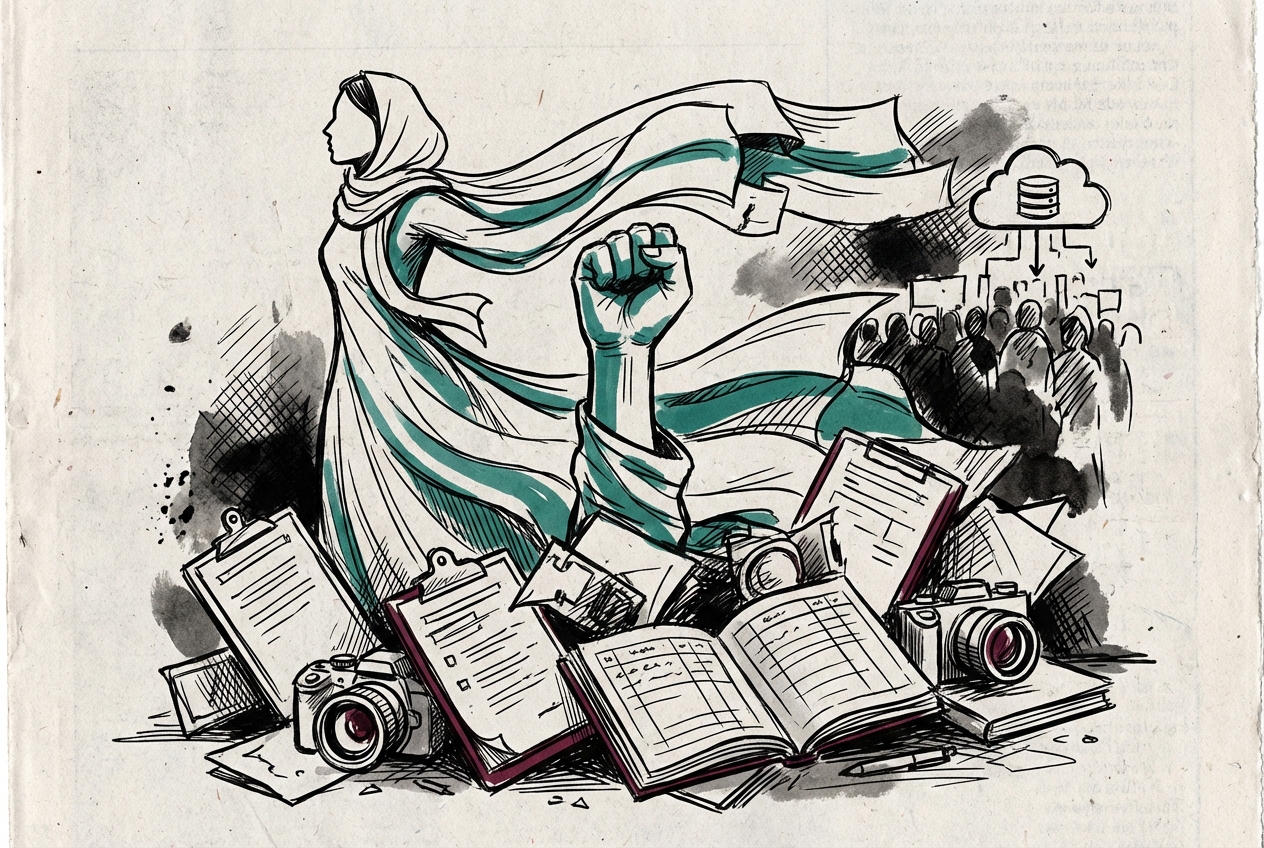
The protests erupted in September 2022 after the morality police killing of 22-year-old Kurdish woman Mahsa Amini in custody. The uprising spread across all 31 provinces and became the largest sustained challenge to the Islamic Republic since its founding. The slogan "Woman, Life, Freedom" (Zan, Zendegi, Azadi) became the protest's international emblem.
The Mahsa Amini protests established the benchmark against which war-era repression is measured. Hengaw, the Kurdish human rights monitor that tracked protest killings in 2022, is producing the same Independent counts in the current conflict: the credibility gap is identical, with wartime government figures running at one-quarter to one-third of Hengaw tallies, following the pattern set when official counts undercounted Amini protest deaths.
The apparatus used to crush the 2022 protests remains intact and is now directed at wartime dissent. Protest-era prisoners are being executed under wartime security cover: Ali Fahim, detained during the 2022 uprising, was executed at Qezel Hesar in March 2026. On 27 April 2026, Jafar Fakhrabadi was executed at Yazd Central Prison, and three of Fahim's co-defendants from the same Mahsa Amini-era case were transferred to solitary at Qezel Hesar. The minister responsible for suppressing the 2022 protests, Esmail Khatib, was killed by Israel in an airstrike in March 2026. The war has provided a mechanism to liquidate the remaining protest-era detainees with reduced international visibility, exploiting Iran's 60-day internet blackout.
Iran's 2026 World Cup campaign carried the shadow of the anthem-protest era. The squad operated under conditions no other nation faced: 14 support staff were denied US visas and players arrived under a mandatory 24-hour protocol. Their final group match against Egypt in Seattle fell on the city's Pride weekend, where FIFA permitted rainbow flags inside the stadium over formal objections from both Iran and Egypt. The optics echoed Qatar 2022, when the Iranian squad declined to sing The National anthem in solidarity with Mahsa Amini and the 'Woman, Life, Freedom' movement. Iran exited the 2026 tournament at the group stage without advancing.