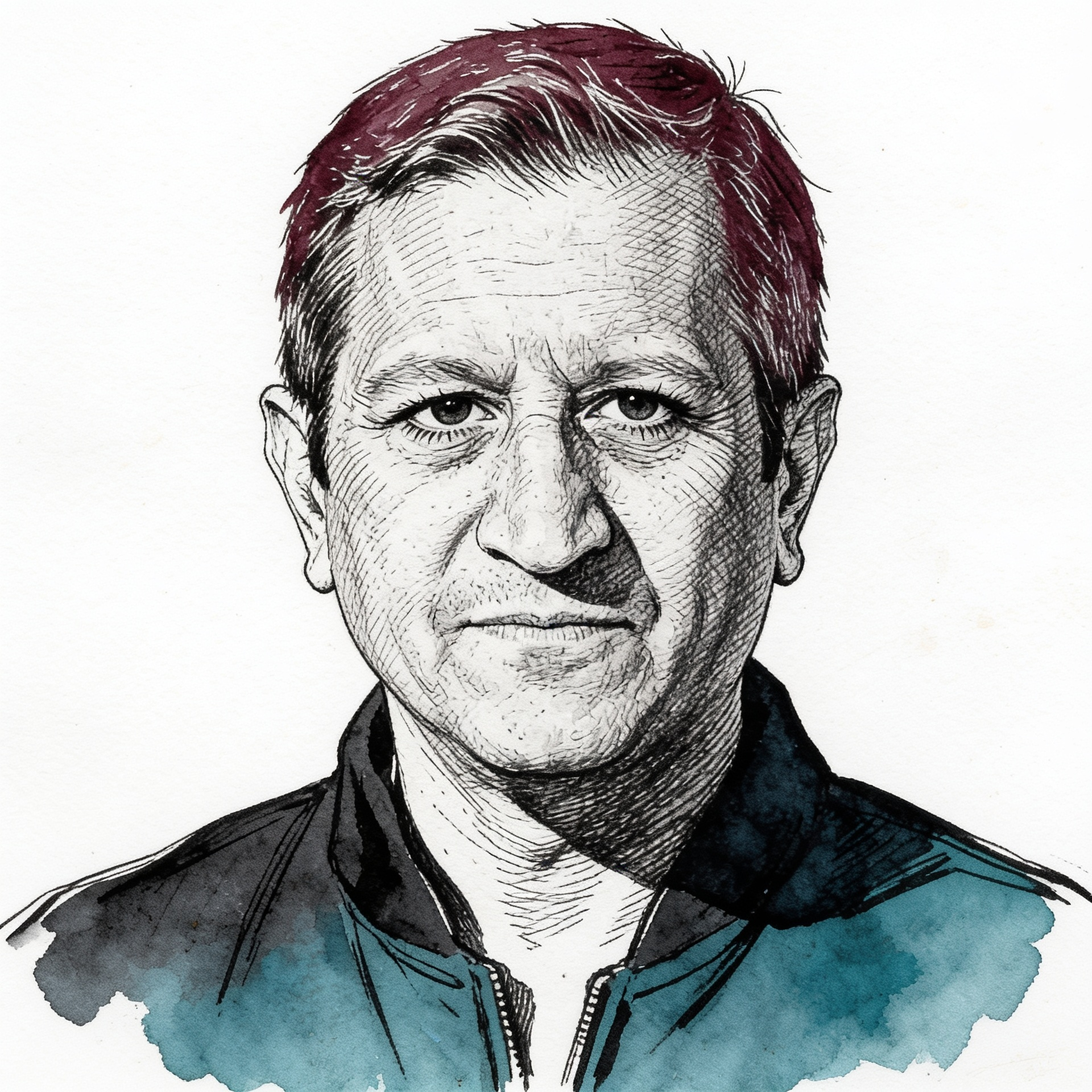
Abdolnaser Hemmati
Governor of the Central Bank of Iran; the financial track in the 2026 war-endgame talks.
Last refreshed: 20 June 2026 · Appears in 1 active topic
Is Hemmati building a sanctions escape route while negotiating a deal?
Timeline for Abdolnaser Hemmati
Represented the Central Bank in the Switzerland delegation
Iran Conflict 2026: Trump sells Iran's money to farm statesArrived in Moscow on 16 June and announced Shetab-Mir final-stage implementation with an August completion target
Iran Conflict 2026: Iran wired its banks into Russia'sTravelled to Doha as part of Iran's war cabinet for deal talks on 25-26 May
Iran Conflict 2026: Iran war cabinet home, no deal signedBackground
Abdolnaser Hemmati is the Governor of the Central Bank of Iran (CBI), one of the few technocrats spanning the Rouhani-era nuclear deal architecture and the current wartime economic track. He served his first CBI term from 2018 to 2021 during the reimposition of US sanctions after Trump withdrew from the JCPOA, building Iran's currency-management and barter-based trade infrastructure under maximum pressure. In 2021 he stood as a reformist presidential candidate before the Conservative wave brought Raisi to power; he returned to the governorship under President Pezeshkian. In May 2026 he travelled to Doha as one of three war-Cabinet principals alongside Speaker Ghalibaf and Foreign Minister Araghchi, leading the financial track on the $24bn frozen-asset structure central to any deal.
On 16 June 2026, Hemmati arrived in Moscow, and Iran's central bank confirmed on 19 June that the third and final stage of integrating Iran's Shetab interbank network with Russia's Mir payment system is under way, with completion expected around August 2026. Hemmati described the goal as building "mechanisms Independent of prevailing restrictions", a sanctions-bypass hedge co-timed with the MOU's 60-day nuclear window. The first stage in 2024 let Iranians withdraw roubles from Russian ATMs; the second in 2025 let Russians pay at Iranian point-of-sale terminals with Mir Pay; the final stage lets Iranians pay in Russian shops with their own cards. The May 2022 intergovernmental agreement underpins the integration.
Hemmati's dual role defines the endgame: he is simultaneously building a parallel financial architecture insulated from Western pressure and validating the formal frozen-asset sequencing that any US deal requires. Unlocking frozen Iranian funds demands correspondent banking chains, OFAC carve-outs, and structured sequencing that central banks, not foreign ministries, arrange. His seat at Doha and his Moscow visit signal that Tehran treats the financial and nuclear tracks as inseparable, and that any deal must close both simultaneously.
Who is Abdolnaser Hemmati and why was he in Doha?
What is the $24bn frozen-asset deal Iran and Qatar are negotiating?
Did Abdolnaser Hemmati run for president of Iran?
What does Iran's central bank governor do in sanctions negotiations?
What is Iran's Shetab network and how does it connect to Russia's Mir system?
Why did Hemmati travel to Moscow during the Iran nuclear talks?
Who is Abdolnaser Hemmati and what role does he play in Iran's conflict negotiations?


