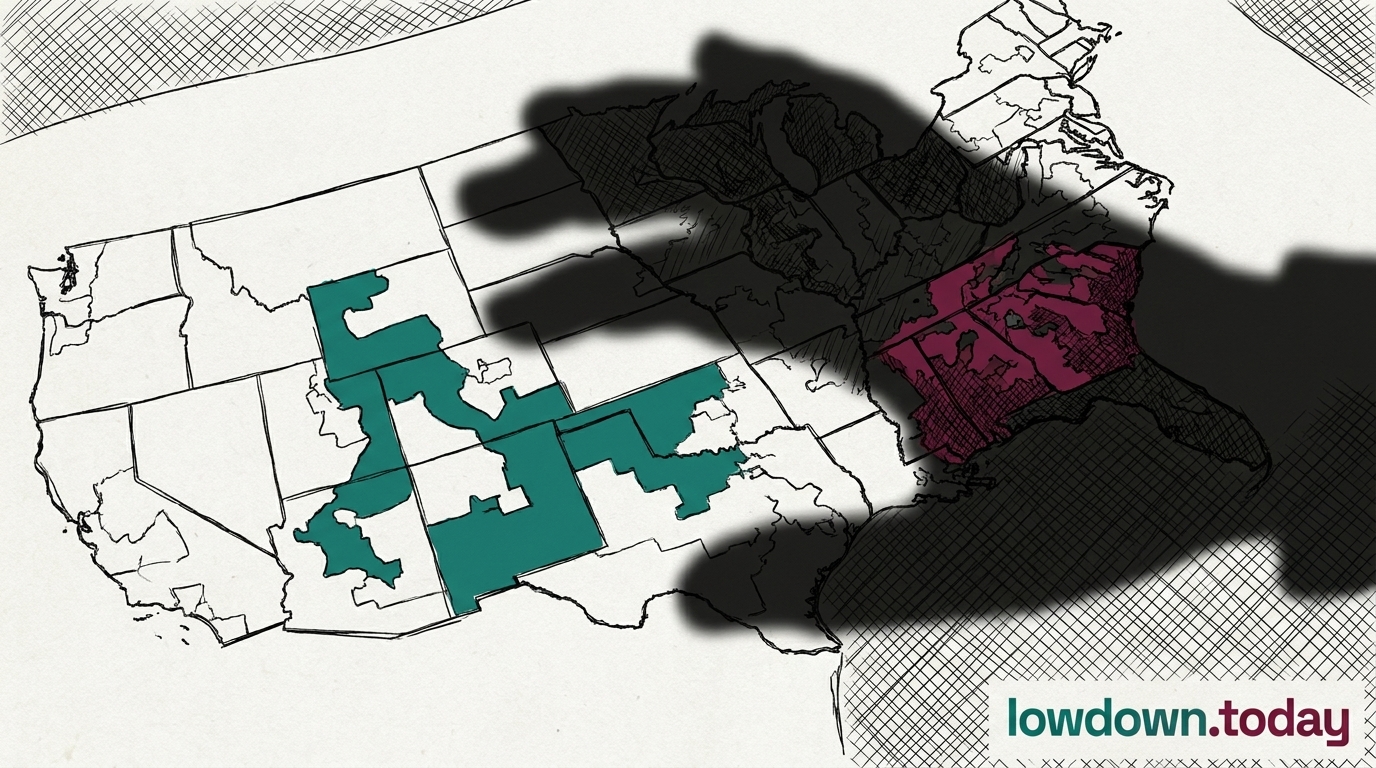
On the evening of Tuesday 2 June, the Supreme Court let Alabama keep its 2023 congressional map for the 2026 elections, throwing out a district-court order that had blocked it only a week earlier1. The unsigned 6-3 order came through the Court's shadow docket, the channel for emergency rulings decided without oral argument and usually without a signature. Alabama now runs its 11 August primary re-do under the contested lines. Justices Sonia Sotomayor, Elena Kagan and Ketanji Brown Jackson dissented.
The district court had blocked the map on Tuesday 26 May, finding it diluted Black voting strength under the Voting Rights Act, the 1965 federal law whose Section 2 bars rules that deny minority voters an equal chance to elect their candidates. Seven days later the conservative majority stayed that block, writing that the lower court had "interposed itself into Alabama's ongoing efforts to conduct its imminent 2026 congressional elections." The order binds Alabama's calendar while leaving the underlying law formally open.
The mechanism matters more than the single result. On 19 May the same majority vacated an order requiring Alabama to draw a majority-Black district, and Governor Kay Ivey voided the in-progress primary. Read together, the two interventions describe a template: a district court enjoins a map, the majority reverses within days, and the injunction expires before it can touch a filing deadline. The reversal window is now shorter than any state's calendar, which makes a trial-court win functionally moot for 2026.
The practical effect reframes maps already locked elsewhere. The 2 June stay enforces Louisiana v. Callais, the 29 April ruling that Section 2 no longer compels majority-minority districts, with immediate effect ordered on 4 May. Florida's Republican-drawn map, upheld on 26 May, is not merely fixed by a passed deadline; it is being defended on appeal by an emergency docket that answers faster than any trial court can move. Two interventions in a fortnight are a pattern to watch, not yet settled doctrine, and the dissenters have logged the counter-case that these rulings carry no reasoning a future court must follow.


