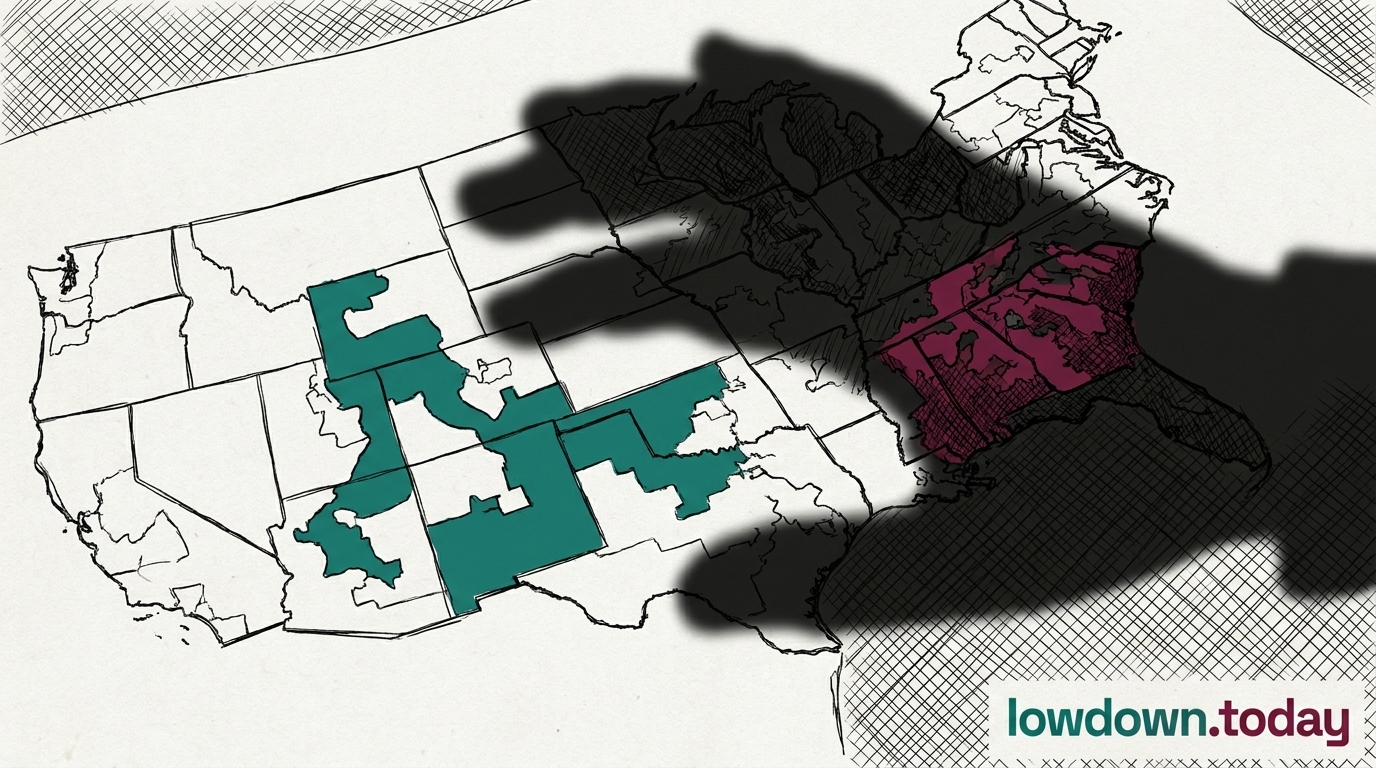
The Department of Justice (DOJ) renewed its emergency application on 21 October for a temporary restraining order (TRO) requiring California to set aside mail ballots sent to more than 20,000 registered voters it lists as "likely" non-citizens1. A TRO is a short-term order a judge can grant before a full hearing. The case moved that day to Judge David O. Carter of the federal court for California's Central District, and DOJ asked him for an expedited ruling. The Los Angeles registrar has asked the Court to throw the case out without a trial; that motion is set for hearing on 30 October. No ruling on the TRO appears on the docket.
The demand began with DOJ letters on 13 October to Secretary of State Shirley Weber and Los Angeles County registrar Dean Logan. They set the two officials a two-day deadline to withhold unsent ballots and keep returned ones from being verified or counted. Weber refused and DOJ sued on 15 October2. When DOJ wrote again on 16 October warning state and county election officials of legal consequences, Donald Trump reposted the letter with: "They will all go to jail for a long period of time!!!"3 Every earlier federal fight over voter eligibility this cycle concerned names on rolls. This one reaches ballots already returned.
On 19 October DOJ charged 28 lawful permanent residents across California's four federal districts, with offences from misdemeanour voting by a non-citizen to false statements on naturalisation applications4. These are green-card holders: they live in the US legally but are not citizens. DOJ says 22 voted, one cast a provisional ballot and five only registered, in elections from 2020 to June 2026. A provisional ballot is held back until officials confirm the voter's eligibility. DOJ says all 28 appear on its list; they are accused, not convicted. "Every illegal vote cancels out the vote of a lawful American citizen," said Acting Deputy Attorney General Trent McCotter5.
The 28 make up at most 0.14% of the list. Los Angeles County's 20 October court filing says over a quarter of the 7,000-plus listed voters at its addresses gave a US place of birth. It says nearly 40% of a sample of entries were registrations already cancelled, and most had never cast a ballot6. All these figures come from parties to the case, and none proves the list right or wrong.


