Skip to content
Welcome, thoughtbot's Giant Robots listeners!Start here
US Midterms 2026
11NOV

DSCC outspends NRSC with its candidates

3 min read
18:10UTC

The DSCC put $16.14m alongside its Senate candidates from 1 to 14 October against the NRSC's $4.84m; with the House committees added, Democrats led $44.27m to $33.69m.

PoliticsAssessed
Key takeaway

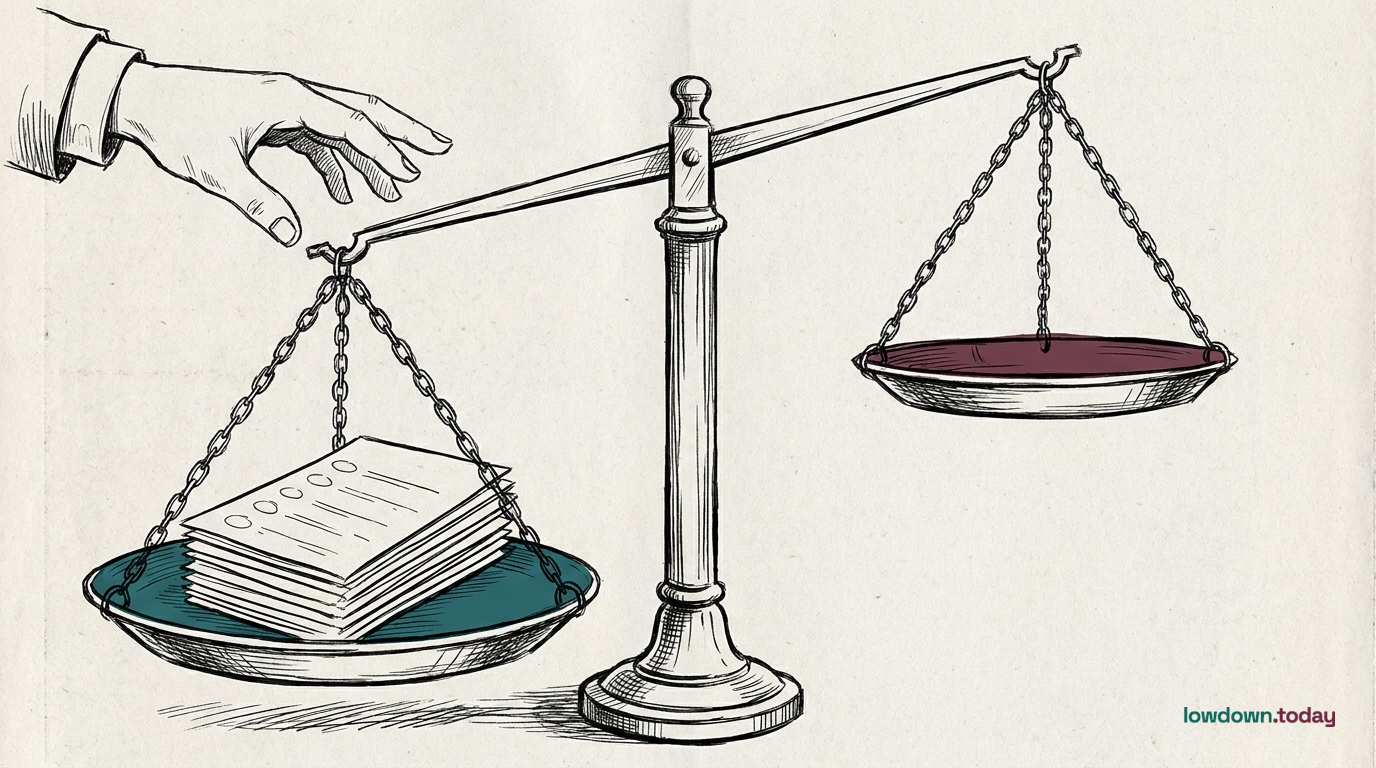
Democratic Party committees out-spent Republicans alongside their candidates in early October, on the strength of the Senate committee.

The DSCC (Democratic Senatorial Campaign Committee) spent $16.14m alongside its Senate candidates from 1 to 14 October, against $4.84m for the National Republican Senatorial Committee (NRSC)⁠1⁠2. Both figures come from the committees' pre-general reports to the Federal Election Commission (FEC), on the report line the FEC calls party coordinated expenditures. That line counts party money spent on campaigning in concert with a candidate, which the Supreme Court of the United States freed from limits in June. The DSCC paid out $32.29m in all over the fortnight, its pre-general report shows.

Those dollars buy more airtime than money from a Super PAC (political action committee). In the last 60 days before polling day, broadcasters must sell candidates airtime at the price their best commercial customer pays. Guidance from the Federal Communications Commission (FCC), which the Supreme Court kept in force on 14 October, gives party ads made with a candidate the same price. super PACs pay market rates, which climb in the final weeks.

The House committees ran level. The Democratic Congressional Campaign Committee (DCCC) reported $28.13m and the National Republican Congressional Committee (NRCC) $28.85m⁠3⁠4. Across all four committees Democrats led $44.27m to $33.69m. Republicans had led in both earlier months Lowdown has reported, 10.5 to 1 in August and 1.7 to 1 in September, when the DSCC raised its own figure to $21.05m. The Senate gap made the difference: The House pair were within $0.72m of each other.

Deep Analysis

In plain English

American campaign money comes from three main places: the candidates themselves, the parties, and outside groups called super PACs that can raise unlimited sums but may not plan their spending with a campaign. Since a Supreme Court ruling in June, the parties may spend without limit on advertising planned with their candidates. The Federal Election Commission (FEC), which regulates campaign money, records this on its own line of each party's report. In the first half of October the Democratic Party committees spent more on this line than the Republican ones, after trailing in August and September.

Deep Analysis
Root Causes

Federal rules on broadcast pricing drive the shift. In the last 60 days before a general election, stations must sell candidates airtime at their lowest unit charge, and FCC guidance kept in force on 14 October extends that price to party ads made with a candidate. A party dollar spent this way buys more airtime than a Super PAC dollar.

Party committees still raise under contribution limits, so they hold less money than the largest super PACs. That makes their October choice of which candidates to back a narrower, more telling list.

What could happen next?
  • Meaning

    The Senate committees' spending alongside candidates now runs more than three to one Democratic, even though Republicans hold more super PAC cash.

  • Precedent

    The 2026 reports are the first full test of party spending without limits, and both parties will plan 2028 around what they show.

First Reported In

Update #22 · Senate Democrats borrow $15m, outspend GOP

Federal Election Commission· 27 Oct 2026
Read original →
Different Perspectives
University of Florida Election Lab
The lab, run by Michael McDonald, estimates about 124.3 million ballots, a raw midterm record, and turnout of about 49.4% of eligible voters, second to 2018's 50.05%. The raw record reflects population growth more than a record rate, so the late count is working through a near-2018 electorate.
Thune's critics on the right, including Senator Ron Johnson
Ron Johnson backed the failed 31-15 motion to delay Thune's re-election, after activists such as Mike Cernovich blamed the leader for the defeat. Their complaint is that Republicans could have passed the SAVE Act; in January it meets a Democratic Senate instead.
Senator John Thune
Senator John Thune
Thune was re-elected Senate Republican leader by acclamation on 10 November after a motion to delay failed 31-15. He kept the filibuster that stopped the SAVE Act, the choice his critics on the right blame for the defeat.
House Republicans under Jim Jordan
House Republicans elected Jordan minority leader by 106 votes to 73 over Steve Scalise on 10 November, after Speaker Mike Johnson declined to run. They replaced the leadership that lost the majority, while Senate Republicans kept theirs.
Donald Trump
Donald Trump
Trump asked on Truth Social on 9 November whether anybody believed the election "was honest" and blamed the machines, having told The New York Times on polling night he would accept the results. No Republican campaign had sued over a 2026 result by 10 November, so the claim has no case behind it.
Judge David O. Carter
Carter closed the Justice Department's suit over about 20,000 California mail ballots on 10 November after the department withdrew it, writing that the suit "attempted to disrupt an ongoing election". The closure leaves the department with no court order touching a 2026 California ballot.

Written with AI from Lowdown's published reporting. Not individually reviewed by an editor. Editorial standards.
