Skip to content
Welcome, thoughtbot's Giant Robots listeners!Start here
US Midterms 2026
24SEP

Common Cause sues over DOJ voter database

2 min read
11:45UTC

Common Cause filed a federal lawsuit on Tuesday 21 April challenging the entire DOJ national voter-database architecture, opening a parallel legal track to the 24 active state-level defences.

PoliticsDeveloping
Key takeaway

Common Cause is challenging the DOJ database itself; the state-level cases challenge only individual demands on it.

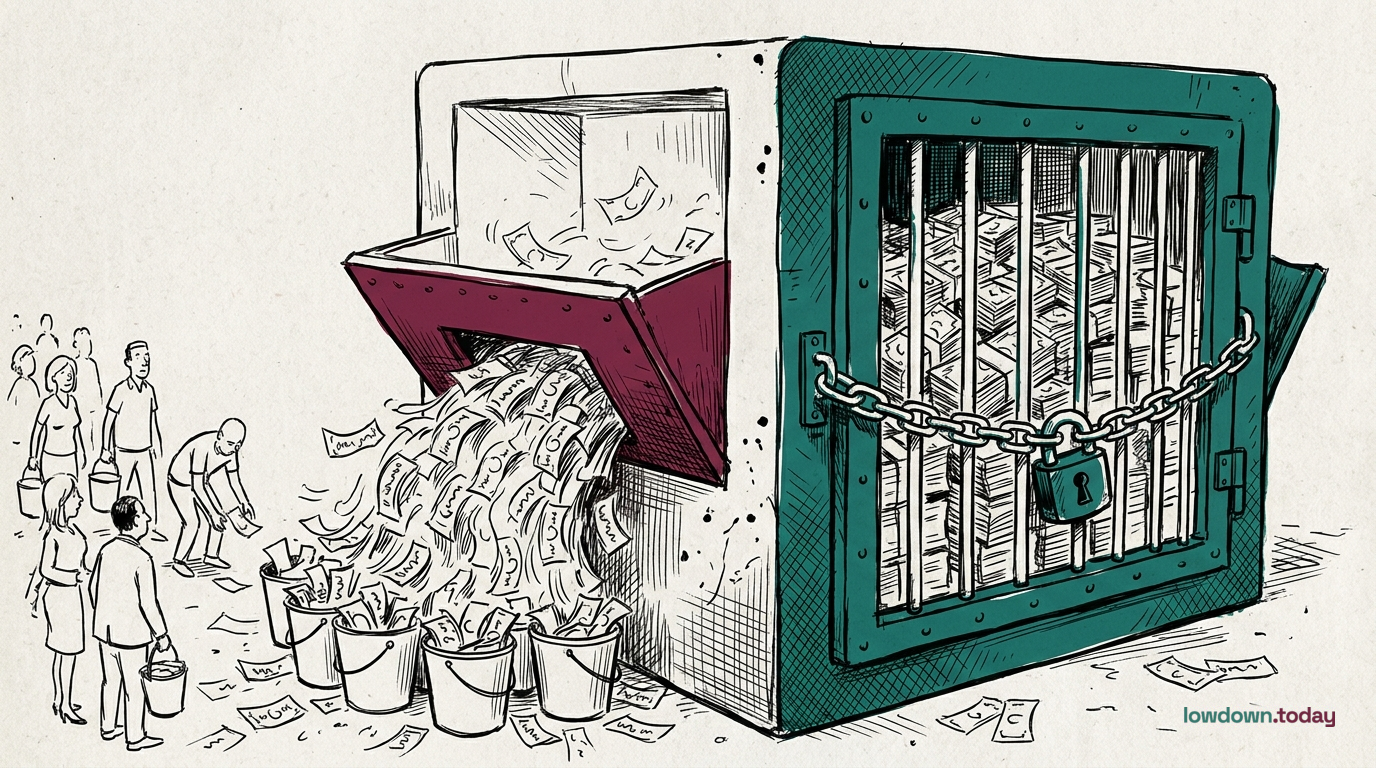
Common Cause, the Washington nonpartisan good-government organisation, filed a federal lawsuit on 21 April challenging the Department of Justice (DOJ) national voter-database architecture rather than individual state demands⁠1. The suit names the department's central data-aggregation programme and seeks to enjoin its operation, distinct from the 24 active state-level defences against DOJ voter-data subpoenas.

Common Cause's legal posture differs from the state-level dismissals in court. State-level defendants have argued, successfully in five courts so far, that the department had no statutory basis for specific voter-record demands. The Common Cause complaint targets the receiving infrastructure: the central database itself, the data-handling practices, and the inter-agency sharing protocols. A state-level win produces a dismissal of one suit; a Common Cause win, if it lands, would constrain the programme's ability to receive and process records nationally.

The filing runs parallel to Democracy Forward's Freedom of Information Act action filed around 15 April seeking Civil Rights Division records on voter-data operations and election-denial communications. The two suits attack different surfaces of the same programme: Democracy Forward is forcing transparency on what the architecture is doing, Common Cause is challenging whether the architecture should exist at all. Counter-view from the administration: Common Cause has been a frequent litigant against Republican election-administration policies for two decades, and the federal courts have been mixed on the organisation's standing in voting-rights cases. The 9th Circuit Oregon appeal on 19 May remains the earliest appellate venue any of these litigation tracks will reach.

Deep Analysis

In plain English

Civil rights organisation Common Cause filed a lawsuit on 21 April challenging the entire system the government built to collect and centralise voter data. The state-level cases challenge specific document requests; this one challenges the database receiving those documents. Think of it as the difference between challenging a single arrest warrant and challenging the surveillance system that generated it. If Common Cause wins, the government would have to shut down its national voter data collection operation regardless of what happens in the individual state cases.

Deep Analysis
Root Causes

The DOJ voter-data programme lacks a purpose-built statutory authorisation. It was assembled from existing Civil Rights Act provisions without a congressional mandate specifically authorising a centralised national voter database.

That gap leaves the programme's legal foundation spread across multiple statutes, each vulnerable to independent challenge. Common Cause is targeting the architecture connecting those statutes: the inter-agency data sharing agreements and the central processing infrastructure that make dispersed statutory claims into an integrated programme.

A successful challenge here enjoins the receiving end of the programme, not merely one state's demand, which is why Common Cause's suit runs parallel to the 24 active state defences rather than superseding them.

What could happen next?
  • Opportunity

    A successful Common Cause injunction would shut down the DOJ's data-processing infrastructure nationally, ending the programme without requiring all 24 remaining states to win their individual cases.

  • Risk

    A standing dismissal of the Common Cause suit would confirm that systemic challenges to voter-data infrastructure require either individual voters or states as plaintiffs, narrowing the available litigation tracks for opponents of the programme.

First Reported In

Update #4 · Calendar versus court

Democracy Docket· 28 Apr 2026
Read original →
Different Perspectives
Missouri and Secretary of State Denny Hoskins
Missouri and Hoskins, held in contempt by the state's own supreme court on 10 September for prematurely reverting to HB 1, filed against a pause of the 8th Circuit's order restoring the same 2025 map.
Richard von Glahn and People Not Politicians
Von Glahn and People Not Politicians filed emergency application 26A388 on 22 September asking Justice Kavanaugh to pause the 8th Circuit's order restoring the 2025 map, days after Missouri mailed overseas ballots under the 2022 lines. A refusal to pause it would leave those ballots carrying the wrong districts.
Harmeet Dhillon, Justice Department
Dhillon said the department will send about 1,000 election monitors to Nevada, Pennsylvania and Rhode Island in November, calling it "the biggest DOJ election observer effort in history" and citing "67 election-related indictments and convictions" against 13 under the Biden administration.
National Association for the Advancement of Colored People and co-plaintiffs
The NAACP and eight other groups sued DHS in Washington on 18 September to keep ICE away from polling places, citing federal statutes barring armed officers and troops at elections. The suit follows a released 2025 DHS email listing non-English-language voting jurisdictions beside a Justice Department prosecution checklist.
Cook Political Report
Cook wrote that "the amount of money national Republicans have dedicated to this race is a flashing red light for Democrats" when it moved New Hampshire from Lean Democrat to Toss Up on 15 September, citing the NRSC's $5.18m for Sununu. It is the one state where Republican spending and the rating move the same direction.
Democratic Senate strategists
Strategists note the DSCC held a $37.6m cash lead over the NRSC's $18.7m at the end of August, after coordinating just $1.00m of spending itself. One reading holds the committee is banking that cash for the campaign's final weeks rather than matching Republican spending dollar-for-dollar in August.