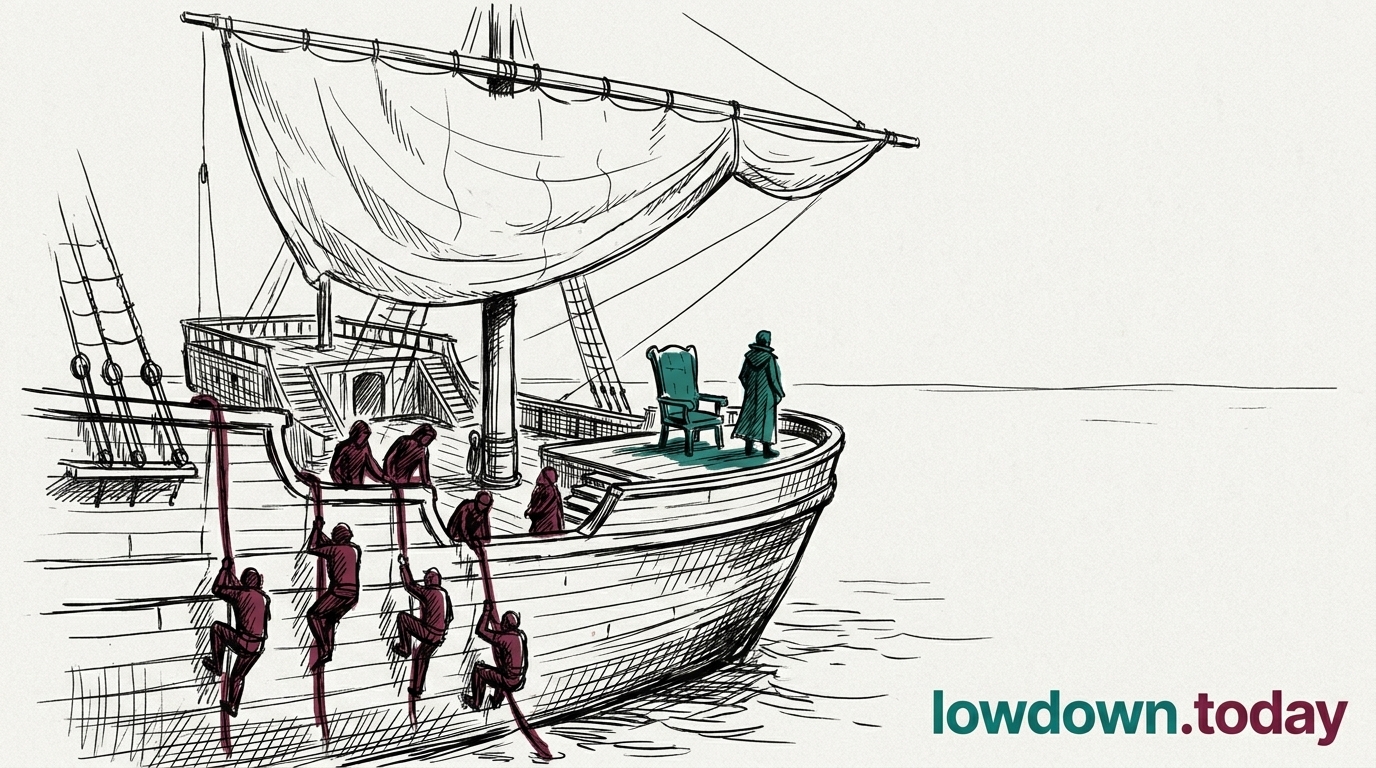
John Swinney's spokesman said Starmer "agreed to meet next month to discuss a referendum on independence." Downing Street disputed the framing within hours, saying the UK Government "remains opposed to another independence vote" and that a referendum would not be on the agenda.1 Two readouts of the same May 2026 phone call put two different meetings on the calendar.
Readout discrepancies of this kind are a familiar move in devolved-relations choreography, but the political cost lands asymmetrically. Swinney needs the referendum to be the agenda item; Keir Starmer, facing the Streeting resignation (event 0, and a 96-to-103 parliamentary split (event 3), needs the meeting to be about anything except a referendum he has already ruled out via the 2024 Labour manifesto. Both sides therefore reach for the readout that benefits them at home.
Whether the Starmer-Swinney meeting actually takes place in June 2026 is the substantive question. Wes Streeting, in April 2026 pre-resignation comments, confirmed Labour's manifesto position against a Section 30 grant. If Starmer is gone before next month, the meeting either drops off the calendar or is re-staged with a successor whose manifesto position is yet to be set. The Makerfield-NEC decision (event 2) therefore intersects directly with the Bute House calendar: a Labour leadership in flux cannot bind a future leader's Scotland policy in mid-June 2026.
The vehicle for resolving the contradiction is the Holyrood Section 30 vote Swinney has tabled within a week (event 6). If Holyrood passes the motion, the agenda is locked in writing: Westminster either responds substantively or refuses on the record. Either path produces a document that fixes the Scotland-Westminster position before the SNP runs into Westminster polling in 2028 or 2029. That is why the readout fight matters now even with no scheduled date.


