Skip to content
Briefings are running a touch slower this week while we rebuild the foundations.See roadmap
UK Local Elections 2026
10APR

Finance reform bill stalls past polling day

2 min read
18:20UTC

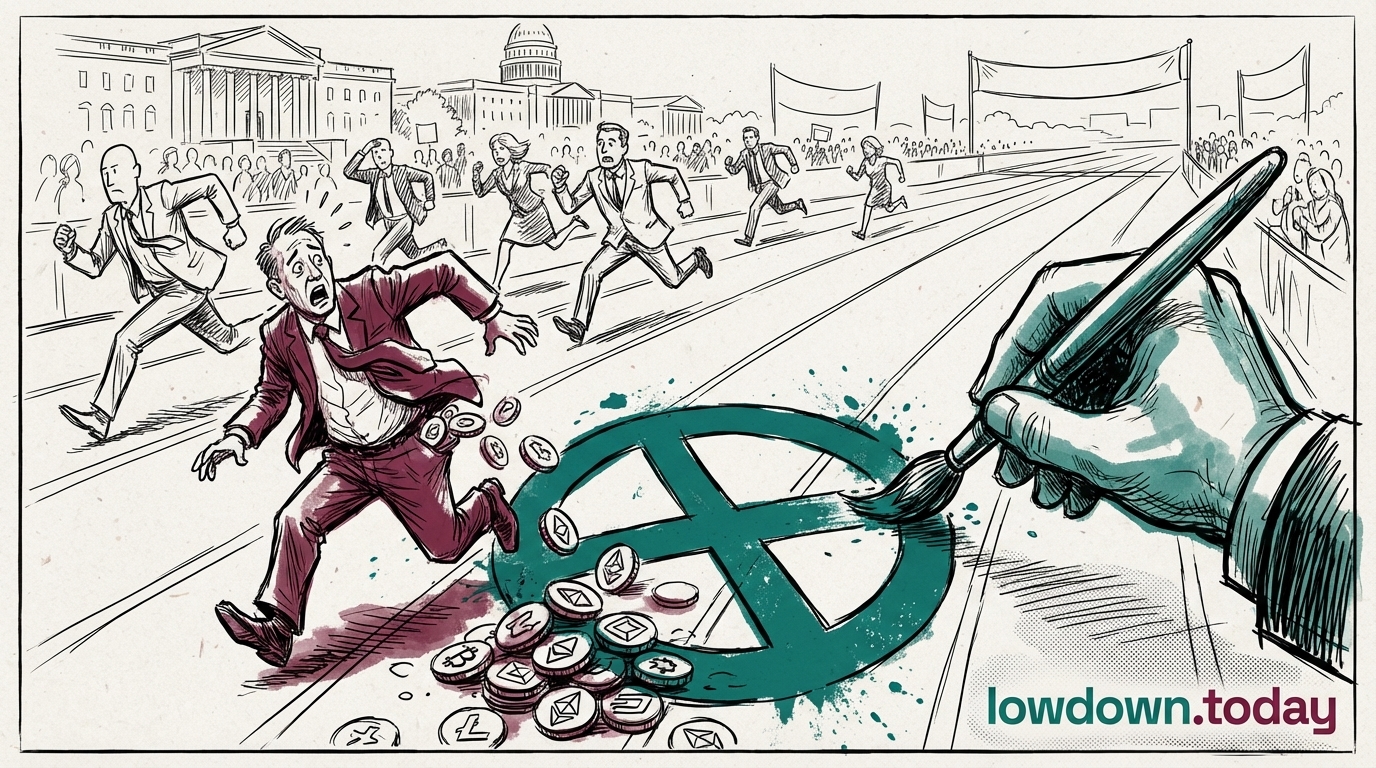
The Representation of the People Bill's committee reports are due 23 April, but Royal Assent cannot precede 7 May. The crypto donation ban it carries arrives after the election it was designed for.

PoliticsDeveloping
Key takeaway

The Bill's crypto donation ban will not take effect before the 7 May elections it was designed to regulate.

The Representation of the People Bill passed Second Reading on 2 March and entered Commons committee on 18 March . Committee reports are due by 23 April. Report Stage and Third Reading follow; the parliamentary timetable rules out Royal Assent before 7 May 1.

The Bill imposes a retrospective ban on Cryptocurrency donations and caps overseas elector donations. Both provisions land hardest on Reform UK, whose unverifiable crypto donations and Harborne's record contributions are the most visible examples of the gaps the Bill addresses. But the legislative timetable means the ban does not apply to the 2026 elections. The regulatory gap persists through polling day and beyond.

Deep Analysis

In plain English

The Representation of the People Bill is a new law currently going through Parliament. It would ban political parties from receiving donations in cryptocurrency, require overseas electors' donations to be capped at £100,000 per year, and restrict donations from shell companies. The Bill entered a detailed examination phase in the House of Commons on 18 March 2026. Reports from that examination are due by 23 April. After that, the Bill needs to pass further stages before it becomes law (Royal Assent). The timing matters: the 7 May elections will happen before this Bill becomes law. So the new rules about cryptocurrency donations and overseas funding will not apply to money Reform UK has already received or spent on this election campaign.

What could happen next?
  • Consequence

    If Royal Assent occurs in May-June 2026, the 30-day return window for crypto donations will coincide with post-election financial reporting, creating a simultaneous compliance and legal challenge environment for Reform UK.

  • Precedent

    The Bill's retrospective crypto ban is the first time UK electoral law has imposed a return obligation for a specific donation type already received and spent, setting a precedent for future legislative attempts to address campaign finance innovations.

First Reported In

Update #3 · Both flanks fracture

UK Parliament· 13 Apr 2026
Read original
Different Perspectives
Welsh Government (Plaid Cymru under Rhun ap Iorwerth)
Plaid's Cardiff minority government relies on Green confidence-and-supply with no written agreement, the same arrangement that collapsed in Scotland in 2023. Green Westminster polling fell from 17% to 15% in two weeks as Greens took governing responsibility; whether that deflation reaches Cardiff is the near-term test for ap Iorwerth's majority.
Reform-run English county councils (Essex, Suffolk, Norfolk)
Essex named a City-trained efficiency lead over a budget where statute has already committed roughly 98% of spend; Suffolk simultaneously issued a pre-action letter against the reorganisation that will dissolve it. Reform-controlled authorities are spending public money on litigation their own sector lawyers expect to fail while their DOGE units face statutory constraints they cannot override.
Scottish Government (SNP under John Swinney)
Swinney rested the 72-55 Holyrood mandate on the combined SNP-Green bloc rather than his own party's 58 seats, seven short of the trigger he named; he has publicly conceded he has no plan if Westminster holds its veto. The constitutional argument is made; the enforcement route does not exist.
UK Government (MHCLG and Downing Street)
MHCLG has until 12 June to respond to Suffolk's pre-action letter and faces three further counties at the same stage; Downing Street rejected Holyrood's Section 30 demand as a spokesperson lobby line rather than a written statement, declining to open formal inter-governmental correspondence. Both decisions compress Reform's two main legal challenges into the same two-week window.
UK Government (Labour)
Westminster framed the youth justice transfer as a culmination of prior work rather than a precedent, refused a Section 30 order before the request arrived, and omitted both the Representation of the People Bill and any Wales Bill from the 13 May King's Speech. Starmer is described as open to a devolved-leaders summit in June.
Reform UK
Reform UK
Essex, Norfolk and Suffolk filed pre-action protocol letters framing their LGR challenge as mandate-consistent, while 22 Reform councillors departed in 14 days at an annualised rate nearly three times the 10 percent projection. Richard Tice defended the Harborne 5 million pound gift as unconditional, with no acknowledgement of Farage's two contradictory accounts on record.