Skip to content
You can now search across every topic, entity and event.What's new
Russia-Ukraine War 2026
13JUL

Houthis strike Israel for third day

2 min read
10:28UTC

Two drones intercepted over Israel. Three attacks in three days confirms sustainable tempo, not a one-off provocation. The Houthi deputy minister named Bab al-Mandeb closure as 'among our options.'

ConflictAssessed
Key takeaway

Three days of attacks confirm Houthi tempo is sustainable.

Houthi forces fired at Israel for a third consecutive day on 30 March. Two drones were intercepted by Israeli defences. 1 Deputy Information Minister Mohammed Mansour described Bab al-Mandeb closure as 'among our options' in a staged escalation programme. Blockade was described as 'likely' in the next phase if Israel targets Hodeidah port or Yemeni civilian infrastructure.

Ansar Allah entered the war with ballistic missiles on 28 March and threatened Bab al-Mandeb closure the same day . A third consecutive attack now establishes sustainable operational tempo. Hezbollah fired 600 projectiles at Israel in a single 24-hour period on 28 March . Iran's proxy network is activating in sequence, each front requiring separate defensive resources from a coalition already stretched by the primary conflict.

Houthi entry came the day after Pakistan confirmed US-Iran indirect talks had stalled and the day Iran published its five conditions for ending the war . Tehran coordinated the opening of this front. The Long War Journal reports that Houthi leaders conditioned further escalation on whether other nations join anti-Iran operations or use the Red Sea for strikes.

Combined with near-total Hormuz closure, formal Bab al-Mandeb blockade would place simultaneous pressure on the world's two most critical oil transit routes for the first time since the 1973 oil crisis. MARAD and UKMTO have already confirmed deliberate GNSS denial spanning from Hormuz to Bab al-Mandeb . An electronic warfare corridor now links both chokepoints.


Deep Analysis

In plain English

The Houthis are an armed group based in Yemen that has been fighting a civil war there for years. They also have a history of firing at ships in the Red Sea. Now they are firing drones and missiles at Israel. This is the third day in a row they have attacked. The attacks are being intercepted, but three consecutive days of attacks is different from a one-off strike: it shows they can sustain the effort. The Houthis have also suggested they might close the Bab al-Mandeb strait, which is the narrow water passage between Yemen and Africa. Oil tankers going from the Gulf to Europe pass through it. If both the Strait of Hormuz (near Iran) and Bab al-Mandeb (near Yemen) are closed or disrupted at the same time, the world's two biggest oil shipping routes would be blocked simultaneously, something that has not happened since 1973.

What could happen next?
  • Risk

    If Israel strikes Hodeidah port or Yemeni civilian infrastructure, Houthi officials have stated Bab al-Mandeb closure becomes operational, creating simultaneous dual-chokepoint pressure not seen since 1973.

  • Meaning

    Three consecutive attacks on Israel establish the Houthis as a sustainable second front in the conflict, requiring separate Israeli and US defensive resources distinct from the primary Iran campaign.

First Reported In

Update #52 · Trump wants Iran's oil; 3,500 Marines land

Al Jazeera / Middle East Monitor· 30 Mar 2026
Read original
Different Perspectives
Turkey
Turkey
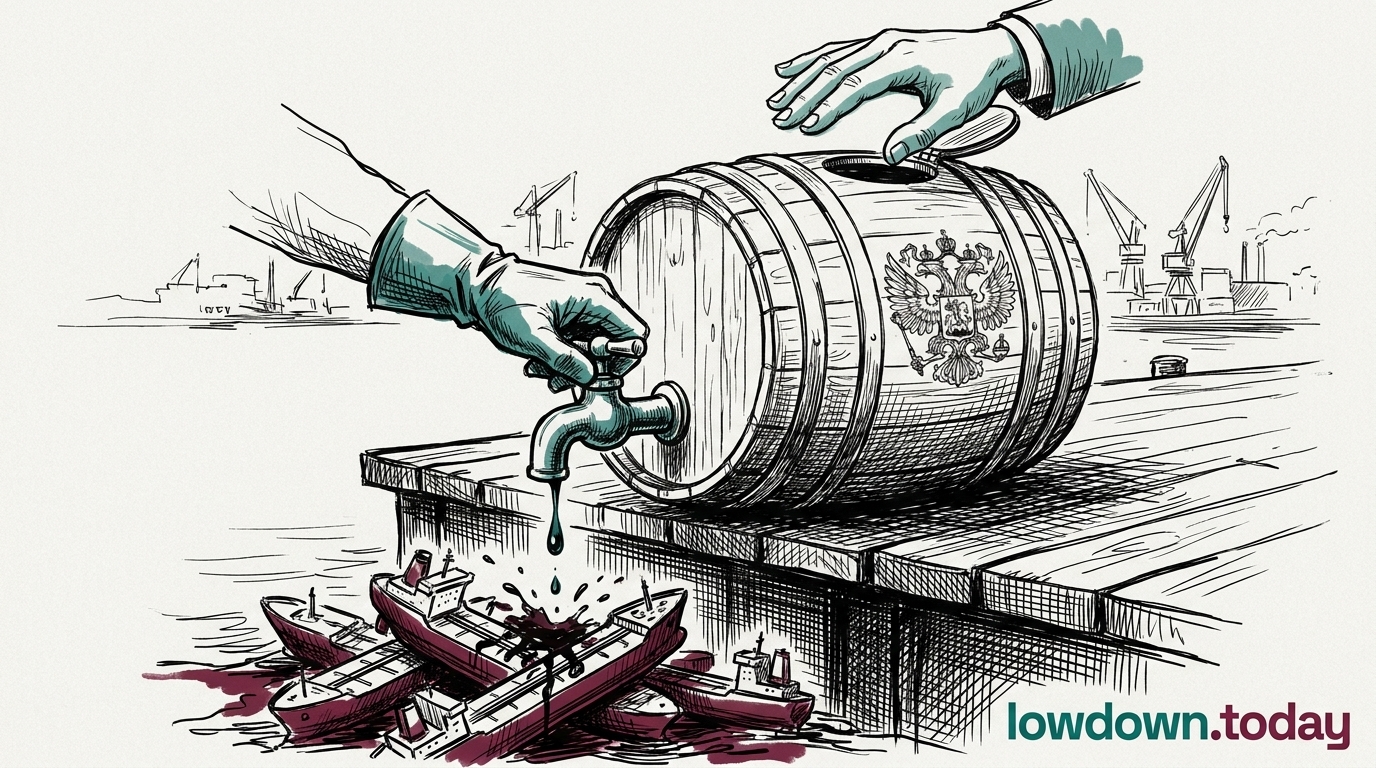
Turkey, a major buyer of Russian diesel cargoes, loses that access under Moscow's first producer-binding export ban, in force from 8 July to 31 July. Ankara hosted the same week's NATO summit pledging EUR 70bn to Ukraine, sitting on both sides of the fuel-and-alliance ledger.
NATO
NATO
NATO leaders meeting in Ankara on 7 and 8 July pledged EUR 70bn in equipment, assistance and training for Ukraine across 2026, with a 2027 sustainment commitment and a $40bn Drone Edge counter-drone initiative. European allies now fund the vast majority of that package, filling the gap left by Washington's idled crude waiver.
India
India
India's state refiners continued buying discounted Urals crude as June's price fell to $63.18 a barrel, insulating New Delhi from the OFAC waiver gap still constraining Western buyers. Indian refiners could pick up diesel-export share as Russia's producer-binding ban shuts out its former customers.
China
China
China's independent refiners kept importing discounted Urals crude through June as the price fell to $63.18 a barrel, down 26% month-on-month per CREA. Beijing has said nothing on Moscow's new diesel ban, leaving Chinese refiners a likely beneficiary if Turkish and Brazilian buyers seek replacement cargoes.
United States
United States
No successor licence has been issued since General License 134C lapsed on 17 June, leaving a 26-day gap, the longest of the war, in the Russian crude waiver. Washington's silence is tightening the channel without any stated decision, as Treasury weighs whether to let it die.
Ukraine
Ukraine
Ukraine's long-range strike campaign shifted from refineries to seaborne fuel tankers crossing the Sea of Azov, cutting tracked vessel traffic 55% between 30 June and 11 July, per Starboard Maritime Intelligence. The shift targets Russia's export revenue directly rather than just domestic supply, adding pressure alongside the collapsing Urals price.



