Skip to content
Briefings are running a touch slower this week while we rebuild the foundations.See roadmap
Russia-Ukraine War 2026
24APR

EU bars Hungary from €16bn arms fund

2 min read
11:21UTC

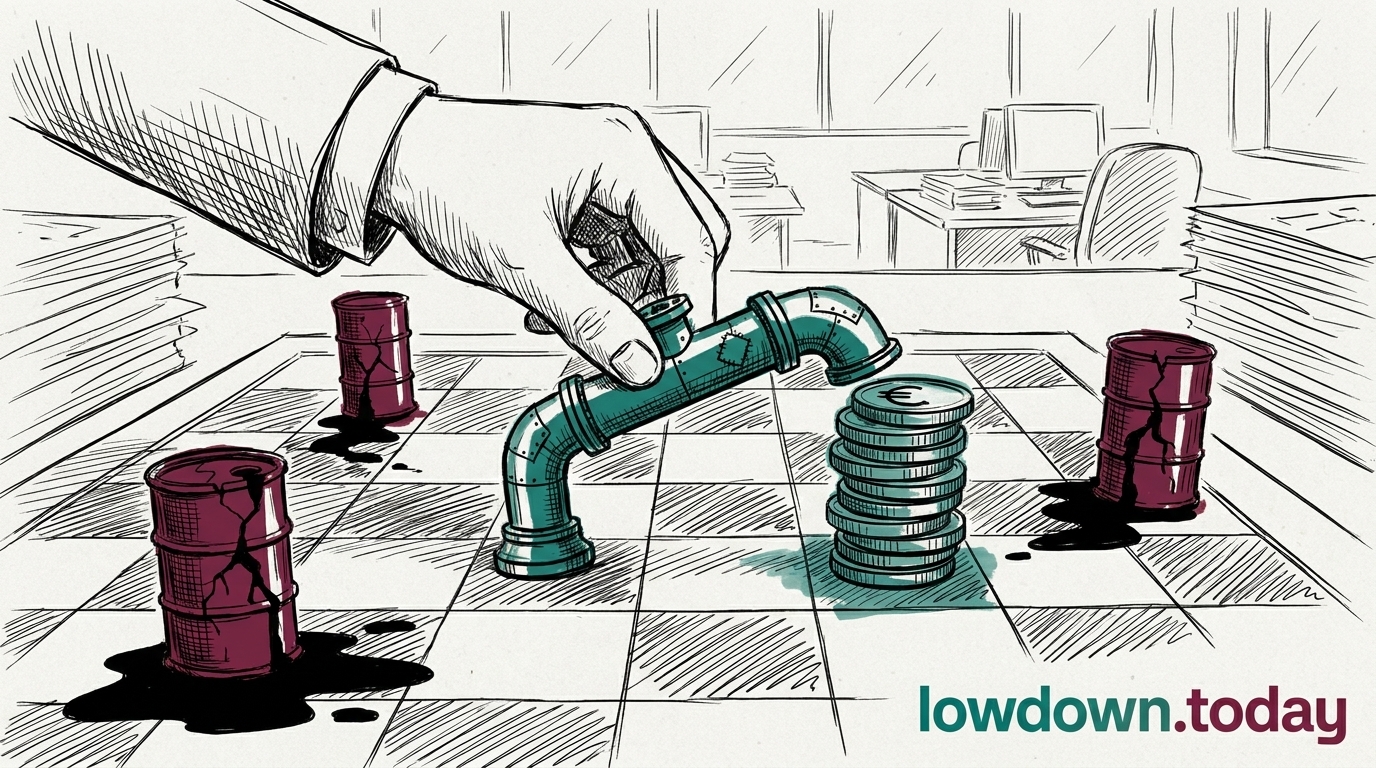
The European Commission withheld Budapest's €16.2 billion SAFE allocation while approving France and Czechia the same day, the first use of EU defence spending as punishment against a member state.

ConflictAssessed
Key takeaway

The EU used its own defence budget as punishment against a member state for the first time.

The European Commission froze Hungary's access to €16.2 billion under the SAFE programme (Security Action for Europe) on 25 March 1. France and Czechia had their SAFE plans approved the same day. Hungary is the sole country frozen among 19 participants.

The trigger is Budapest's continued blockade of the €90 billion Ukraine loan . Orbán nominally dropped his objection in exchange for Zelenskyy's commitment to repair the Druzhba pipeline within 1 to 1.5 months, but Hungary re-blocked the loan at the EU summit on 19 March. An EU diplomat told Euronews it is "difficult to agree billions for Orbán when he violates loyal cooperation" 2.

SAFE was designed to incentivise collective European defence spending, not to punish dissent. By freezing a member state's allocation for political non-cooperation rather than technical non-compliance, the Commission has created an enforcement tool outside the Article 7 procedure. This approach is faster and more financially painful than rule-of-law conditionality, which took years to produce results against Hungary.

EU treaty structures require unanimity for foreign policy decisions, giving any single state veto power. The SAFE freeze bypasses this by using Commission-level programme administration, which operates by qualified majority, to punish behaviour that unanimity rules protect. Whether this accelerated coercion produces compliance or hardens Budapest's resistance will shape EU governance for years.

Deep Analysis

In plain English

The EU set up a shared defence spending pot to help member states rearm. Hungary is the only one of 19 participants whose €16.2 billion allocation has been frozen. Why? Hungary keeps blocking an EU loan to Ukraine that the other 26 members agreed on. The EU is using its defence fund as a bargaining chip: comply with the bloc's Ukraine policy, or lose your share of the rearmament money. It matters because it sets a precedent: for the first time, the EU is using its own defence budget as a punishment rather than a reward.

Deep Analysis
Root Causes

Hungary's position stems from Orbán's domestic political economy, not ideological sympathy with Moscow.

Hungary's energy sector is structurally dependent on Russian gas and oil via the Druzhba and Brotherhood pipelines. Orbán has used this dependence as leverage within the EU, trading his veto on Ukraine support for energy exemptions and funding concessions since 2022.

The April 12 Hungarian elections create a short-term incentive for Orbán to appear sovereign against EU pressure, even at the cost of €16.2 billion in frozen rearmament funds. The freeze may harden rather than soften his position in the near term.

The deeper structural issue is that EU treaty design gives any single state veto power over foreign policy, a feature designed for small-scale disagreements that becomes a systemic vulnerability when one member state actively undermines the bloc's security consensus.

First Reported In

Update #8 · Pentagon diverts funds; 948 drones fired

Euronews· 27 Mar 2026
Read original
Different Perspectives
EU Council / European Commission
With Orban's veto lifted and Magyar's Tisza government not placing a replacement block, the European Commission is signalling the first 90 billion euro Ukraine loan tranche for late May or early June 2026. Disbursement depends on Magyar's 5 May government formation proceeding to schedule.
Germany
Germany
Russia's Druzhba northern branch transit halt from 1 May removes one of Germany's residual non-Russian crude supply options. The timing compounds Berlin's exposure in the same week Ukrainian strikes drive Russian refinery throughput to its lowest since December 2009.
IAEA / Rafael Grossi
Grossi confirmed the Zaporizhzhia Nuclear Power Plant lost external power for its 14th and 15th times within a single week in late April, with the Ferosplavna-1 backup feeder damaged 1.8 km from the switchyard. He was negotiating a further local ceasefire; the previous IAEA-brokered repair lasted less than a week.
Japan
Japan
Japan authorised direct PAC-3 exports to the United States on 30 April, breaking its post-1945 arms export restrictions to replenish Iran-war-depleted US stockpiles. The White House global Patriot export freeze remains in place; Japan's historic policy shift benefits US readiness without reaching Ukraine.
Kazakhstan
Kazakhstan
Russia's Druzhba northern branch transit halt from 1 May cuts Kazakhstan's access to the German crude market. Astana routes most of its export crude through Russian infrastructure, meaning Moscow's unilateral decision directly constrains Kazakh export diversification despite Kazakhstan's stated neutrality on the war.
Péter Magyar / Tisza Party / Hungary
Magyar targets 5 May for government formation ahead of the 12 May constitutional deadline. Orbán lifted the EU loan veto before leaving office; Magyar supports Hungary's opt-out but has not placed a new veto, leaving the first 90 billion euro tranche on track for late May disbursement.
