Skip to content
Briefings are running a touch slower this week while we rebuild the foundations.See roadmap
Pandemics and Biosecurity
9JUN

Ebola drug trial awaits DRC, Uganda nod

3 min read
09:58UTC

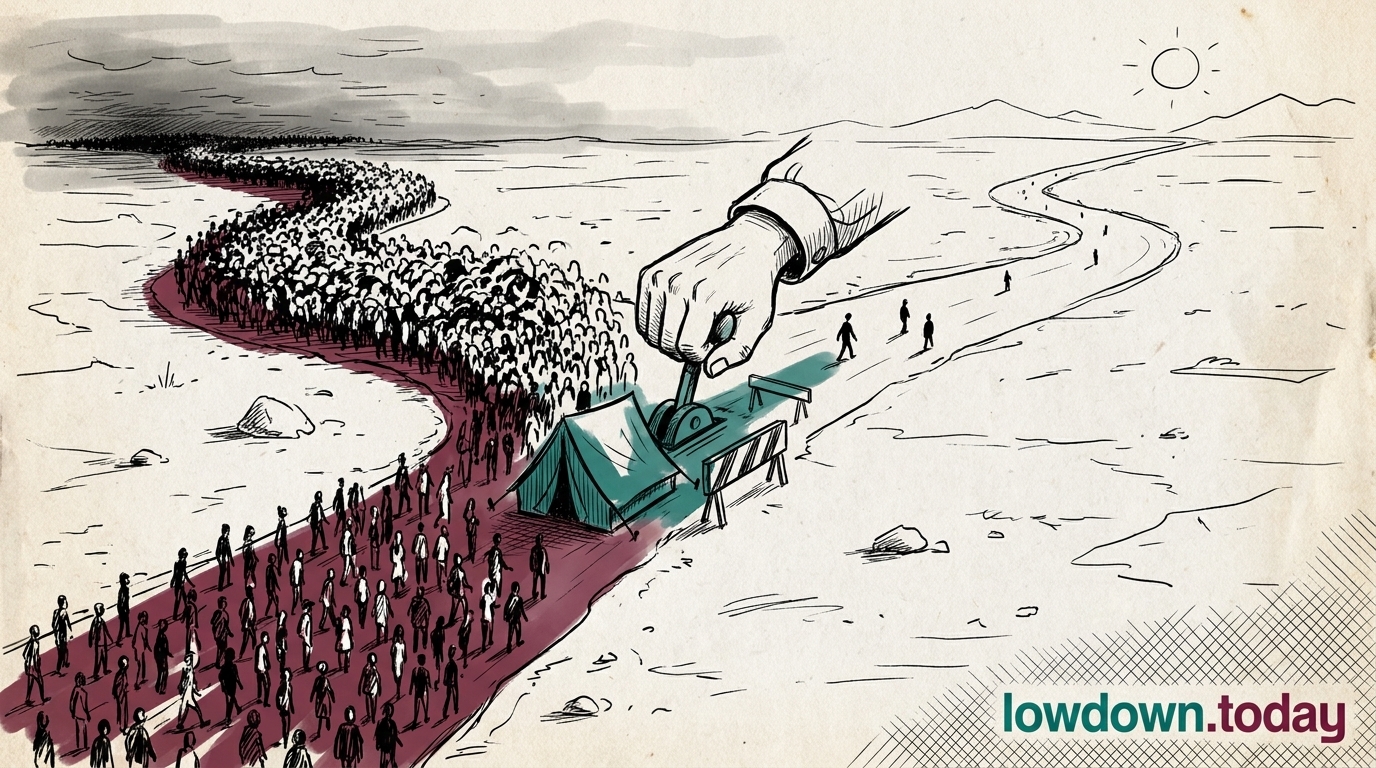
WHO is sponsoring a trial of remdesivir and the antibody cocktail MBP134 for Bundibugyo Ebola, but it cannot dose anyone until the DRC and Uganda grant regulatory approval.

ScienceDeveloping
Key takeaway

The most promising Ebola therapeutic is stalled by national approvals that conflict is making harder to secure.

WHO is sponsoring a trial of two existing therapeutics for Bundibugyo Ebola: remdesivir, an antiviral, and MBP134, a monoclonal antibody cocktail (engineered proteins that bind and neutralise the virus) from Mapp Biopharmaceutical that is active across Ebola species 1. In animal studies MBP134 gave 100% protection even when given up to eight days after infection 2. The trial has not begun dosing; it awaits regulatory approval from the DRC and Ugandan governments 3. This trial is the concrete answer to the gap flagged when the emergency was declared, when WHO confirmed no licensed countermeasure exists for this species and its R&D Blueprint had already named the Bundibugyo therapeutic gap .

National regulators in the DRC and Uganda must clear an investigational protocol, secure informed consent and stand up trial sites before any patient is dosed, and those are exactly the functions that conflict and a torched clinic erode. A trial needs a stable site, a traceable cohort and a chain of custody for samples; the South Kivu crossing and the 21% tracing ceiling in Ituri make all three harder to guarantee. The therapeutic that could cut the fatality rate is gated behind administrative steps that the outbreak's geography is actively dismantling.

No Bundibugyo-specific vaccine has reached even Phase 1. A ChAdOx-platform candidate is two to three months from producing trial doses but lacks safety data; an rVSV-platform candidate is six to nine months out 4 5. ChAdOx and rVSV are the two viral-vector designs behind the Oxford COVID and licensed Zaire-Ebola vaccines. Roughly 2,000 doses of Ervebo, licensed only for Zaire ebolavirus, already sit in the DRC, and GAVI says they could be used in a trial if WHO experts judge it worth testing against a different species 6. Every route to a vaccine here is measured in months, not days.

Deep Analysis

In plain English

The most promising treatment being tested against this type of Ebola is MBP134, a cocktail of laboratory-made antibodies developed by a company called Mapp Biopharmaceutical. In animal studies, it protected 100% of infected subjects even when given up to eight days after infection. It also works against multiple types of Ebola, including Bundibugyo. The problem: it cannot be given to human patients yet because the governments of DRC and Uganda have not yet approved the trial. Clinical trials in outbreak conditions require oversight to protect patients, who may be too sick to give fully informed consent. A second antiviral, remdesivir (also used in Covid-19 treatment), is being trialled alongside MBP134. An Ebola vaccine designed for a different species, Ervebo, has about 2,000 doses stockpiled in DRC; scientists are debating whether to test it here, even though it was not made for this type of virus.

Deep Analysis
Root Causes

No licensed vaccine or treatment exists for Bundibugyo ebolavirus because the two prior outbreaks produced only 169 combined cases across 2007 and 2012, insufficient patient numbers and market incentive for a full regulatory trial programme.

Mapp Biopharmaceutical developed MBP134 under the US Department of Defense's medical countermeasures programme for filovirus threats, not through a commercial development pathway, which means compassionate-use access depends on US regulatory frameworks that cannot bind DRC or Uganda authorities.

The ChAdOx-platform Bundibugyo vaccine candidate being two to three months from trial doses reflects the same market-size problem: Oxford developed the platform using prior MERS and COVID-19 investments; the Bundibugyo-specific insert requires immunogenicity data that cannot be obtained without an outbreak. The outbreak has now arrived, but the trial cannot start before safety data that takes months to generate.

First Reported In

Update #4 · Ebola triples, response misfires

NBC News· 24 May 2026
Read original
Different Perspectives
World Health Organization
WHO's DON606 recalibration to confirmed-only reporting gives the clean baseline the CDC model rests on, but the apparent fall from 1,040 to 534 carries misinterpretation risk WHO communications have not pre-empted. The PABS deadlock ahead of IGWG7 and continuing MBP134/remdesivir assessment without authorisation make WHO the body most able to accelerate the two decisions that could change the outbreak's trajectory.
European Union (ECDC)
ECDC's Week 23 CDTR tracked four simultaneous non-Ebola signals: the Dermatophilus congolensis novel-transmission cluster across France, Germany and Spain; a 4.2-fold malaria surge in Mayotte; the Salmonella ST2045 multi-country cluster; and two new Saudi MERS cases. The continental early-warning layer is carrying a full multi-pathogen picture while Bundibugyo dominates headlines.
Uganda
Uganda
Uganda's 19 confirmed cases are concentrated in Kampala and Wakiso, an urban cluster that applied the 2022 Sudan-ebolavirus playbook; the Bwera border laboratory shortens cross-border confirmation to same-day. Uganda's regulatory authority must co-sign before MBP134 or remdesivir can dose any patient.
Democratic Republic of the Congo
Kinshasa shares Bundibugyo sequence data in real time with no treaty-guaranteed access to the vaccines that data informs, and its health minister called the US entry ban discriminatory while negotiating an early lift. DRC accounts for 515 of 534 confirmed cases and faces IS-controlled access blockades in Mambasa that health authorities cannot resolve.
United States (HHS/CDC)
HHS expanded the Ebola entry ban to green-card holders on 5 June, widening a restriction expiring around 17 June against WHO advice. The CDC simultaneously published the R0=2.51 modelling, the sharpest analytical contribution to the response, from a federal bench that holds the NIH and acting CDC director roles in one person.
Imperial College London / Cori and Ferguson
Anne Cori and Neil Ferguson place the case-fatality ratio at 30 to 40 per cent and read the 6.8-to-1 suspected-to-confirmed ratio as evidence that the laboratory figure understates true lethality. Many people die before a swab reaches them.
