Skip to content
Welcome, thoughtbot's Giant Robots listeners!Start here
Pandemics and Biosecurity
9JUN

Ebola case fatality crosses 40% in DRC

2 min read
09:58UTC

Africa CDC put Bundibugyo case fatality at 44.1% on 27 July, up from about 39.7% a week earlier, and attributes the rise to later presentation and saturated treatment sites.

ScienceDeveloping
Key takeaway

Bundibugyo now kills 44.1% of confirmed cases, driven by late presentation rather than the virus.

Case fatality among confirmed Bundibugyo Ebola cases in DR Congo reached 44.1% on 27 July, up from roughly 39.7% a week earlier, Africa CDC reported⁠1. The agency attributes the rise to patients arriving later and to treatment sites running full, not to any change in the pathogen. Its headline totals now stand at 3,380 confirmed cases and 1,489 deaths, against 2,344 and 930 seven days before.

Those totals need one caveat carried alongside them. Africa CDC's own chart note marks the 22 July step change as retrospective harmonisation with the Ituri and North Kivu case registers rather than a single-day surge⁠2. Read off the chart gridlines, the back-filled portion runs somewhere near 350 to 400 cases, an estimate rather than a figure the agency states. A meaningful share of the apparent week is therefore old cases arriving late in the ledger, and the raw difference between the two totals overstates how fast the epidemic moved.

Readers reaching for the 2018-20 Kivu epidemic as a yardstick will reach wrong. Kivu killed about 66% of those it infected, but Kivu was Zaire ebolavirus, a different species from the Bundibugyo ebolavirus circulating now. Bundibugyo has two earlier outbreaks in the literature: Uganda in 2007, with 131 cases and 39 deaths, and Isiro in eastern DRC in 2012, with 38 cases and 13 deaths, close to 30% in the first and 34% in the second. Measured against Kivu, 44.1% looks merciful. Measured against its own species, it runs ten points above anything Bundibugyo has done before, and the drift from 39.7% in seven days is the part that should concern anyone reading the trend rather than the level. Isolation coverage was already near 44% when WHO put cases at 1,481 in early July; untreated Ebola kills at rates no species comparison can soften.


Deep Analysis

In plain English

Case-fatality rate means the share of confirmed patients who die from the disease. It has climbed from about 40% to 44% in a week. Africa CDC says this is not because the virus has become more dangerous, but because sick people are reaching treatment later and the treatment sites they do reach are overloaded. Getting care quickly matters enormously with Ebola, so anything that delays it, whether that is distance, an overwhelmed hospital, or a shortage of isolation beds, translates directly into more deaths among the people who do get diagnosed.

Deep Analysis
Root Causes

Case-fatality in a filovirus outbreak rises when the interval between symptom onset and clinical care lengthens, because supportive treatment, fluids, electrolyte correction and organ support, is time-sensitive; a patient reaching a saturated treatment site late in the disease course has a materially worse prognosis than one admitted early, independent of the virus itself.

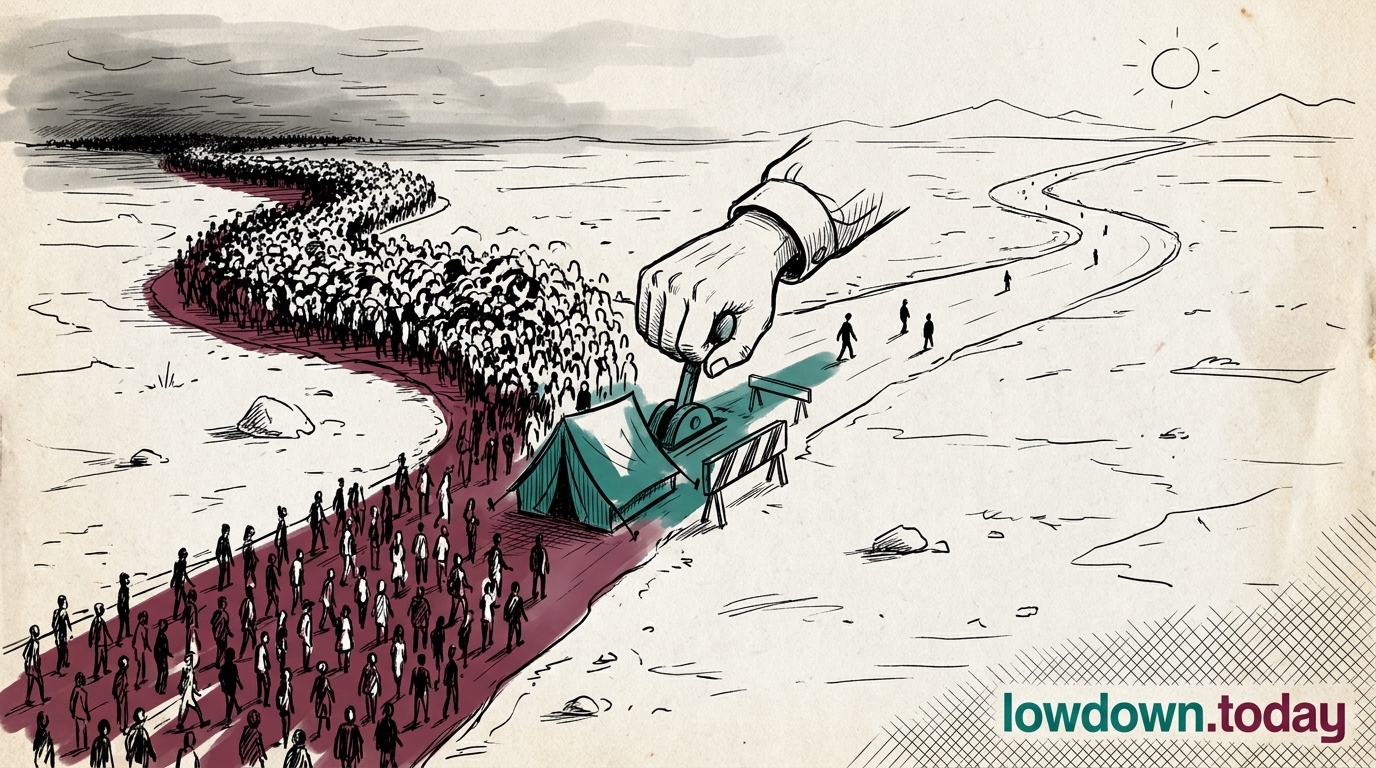
Treatment-site saturation compounds this: the same bed-capacity imbalance straining Nord-Kivu and the same testing bottleneck consuming isolation beds nationally both push presentation and admission later in the disease course, which is why Africa CDC links the case-fatality rise to logistics rather than pathogen change.

What could happen next?
  • Meaning

    The rise from 39.7% to 44.1% case-fatality is attributed by Africa CDC to system strain, later presentation and saturated sites, not to a change in Bundibugyo ebolavirus's underlying lethality.

  • Consequence

    A rising case-fatality rate driven by system strain will likely track the same bed-misallocation and testing-delay problems documented elsewhere in this update, rather than resolve independently.

First Reported In

Update #12 · Two-thirds of Ebola deaths never reach a ward

Africa CDC· 31 Jul 2026
Read original →
Different Perspectives
Pan American Health Organization
PAHO warned on 20 October that El Niño is set to intensify as the dengue season begins, and issued a regional screwworm alert on 16 October. It wants veterinary and human health workers reporting into one surveillance system.
UK Health Security Agency
UKHSA links three Salmonella Enteritidis clusters to imported eggs and has two large importers under investigation without naming either. Its sequencing led the Food Standards Agency to recall eggs from Kyiv producer Yasensvit.
ECDC
ECDC
ECDC says Europe's West Nile season affected a broader area than any before and calls Germany's first local Sindbis virus case not unexpected, since the virus was already found in German mosquitoes and birds. It cautions that missing clade data limit how far Europe's clade I mpox rise can be read.
Ghana Ministry of Health
Health Minister Kwabena Mintah Akandoh declared a yellow fever outbreak in the Upper West Region after a Dakar laboratory confirmed three cases, all of whom died. Ghana plans an emergency vaccination campaign in three districts this month.
Government of Côte d'Ivoire
Spokesperson Amadou Coulibaly reported 23 yellow fever cases and 11 deaths in Bounkani on 14 October and said the country holds more than 400,000 vaccine doses. He did not say how many cases were laboratory-confirmed, which leaves the outbreak's true size unclear.
World Health Organization
WHO says no cause has been found for the Irkutsk technician's death and a laboratory-associated exposure cannot be fully excluded. Tedros Adhanom Ghebreyesus urged states to finish the pathogen-sharing annex that holds the Pandemic Agreement back from signature.

Written with AI from Lowdown's published reporting. Not individually reviewed by an editor. Editorial standards.
