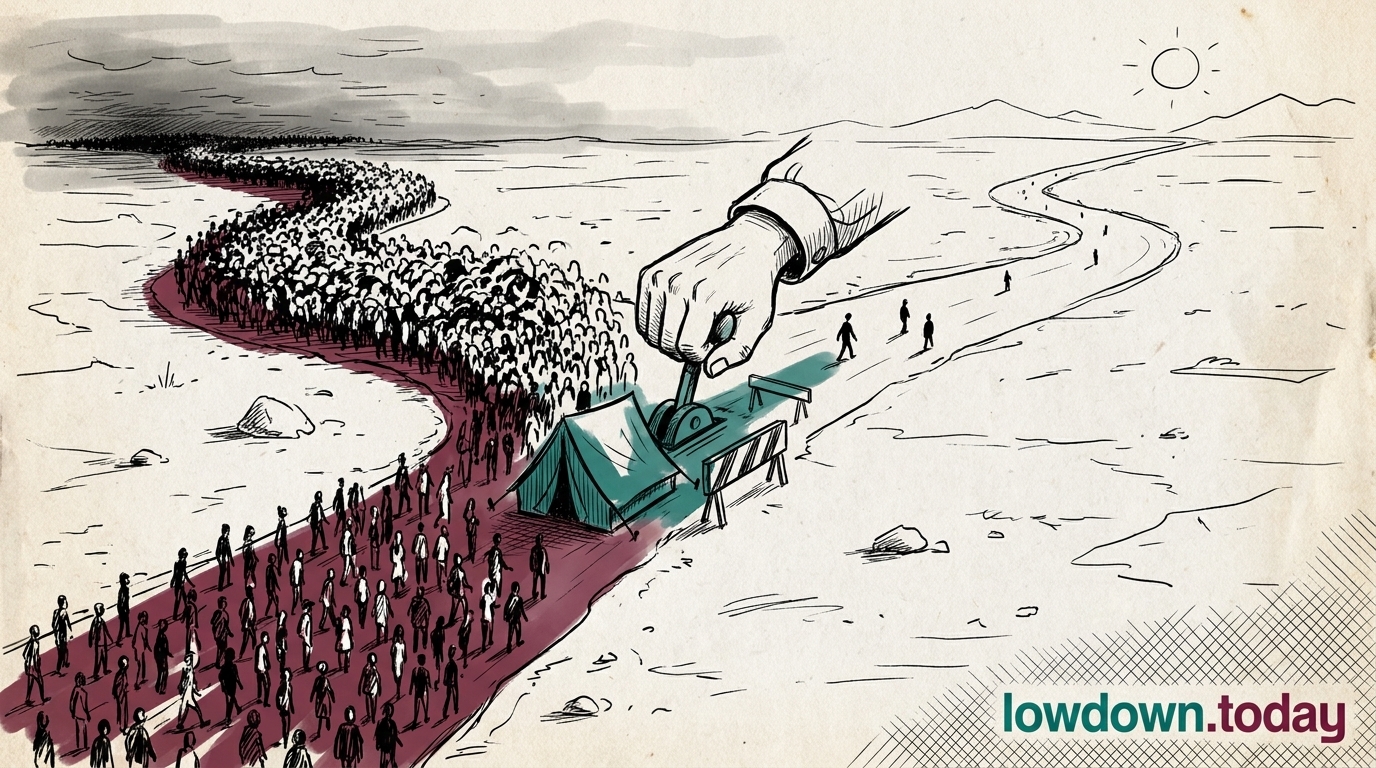
The European Centre for Disease Prevention and Control (ECDC), the EU's disease surveillance agency, flagged 50 cases of Dermatophilus congolensis in its weekly threats report for 30 May to 5 June, among men who have sex with men across France, Germany and Spain, linked to sex-on-premises saunas between December 2025 and May 20261. The bacterium normally causes rain rot in horses and cattle; human infection has until now been rare and incidental. ECDC's own framing is hedged: the reports "may indicate a shift in transmission, with evidence suggesting human-to-human spread, particularly in humid and hot environments"2.
Treat that as a preliminary signal, not a verdict. All 50 cases were mild and recovered fully on antibiotics, with no complications3, so the question here is the transmission route rather than how dangerous the organism is. ECDC has a Rapid Risk Assessment due 23 June; until it lands, the responsible reading is that an animal-associated bacterium is showing apparent person-to-person spread in one specific setting, unusual enough to watch and too early to name as anything more.
The same Week 23 report placed this alongside the rest of the EU surveillance picture, including mpox clade I holding stable to decreasing at 102 cases in April data. One report carrying a novel transmission signal and a reassuring established one at once is the routine of communicable-disease surveillance: most signals resolve as incidental, and the assessment exists to tell which is which.



