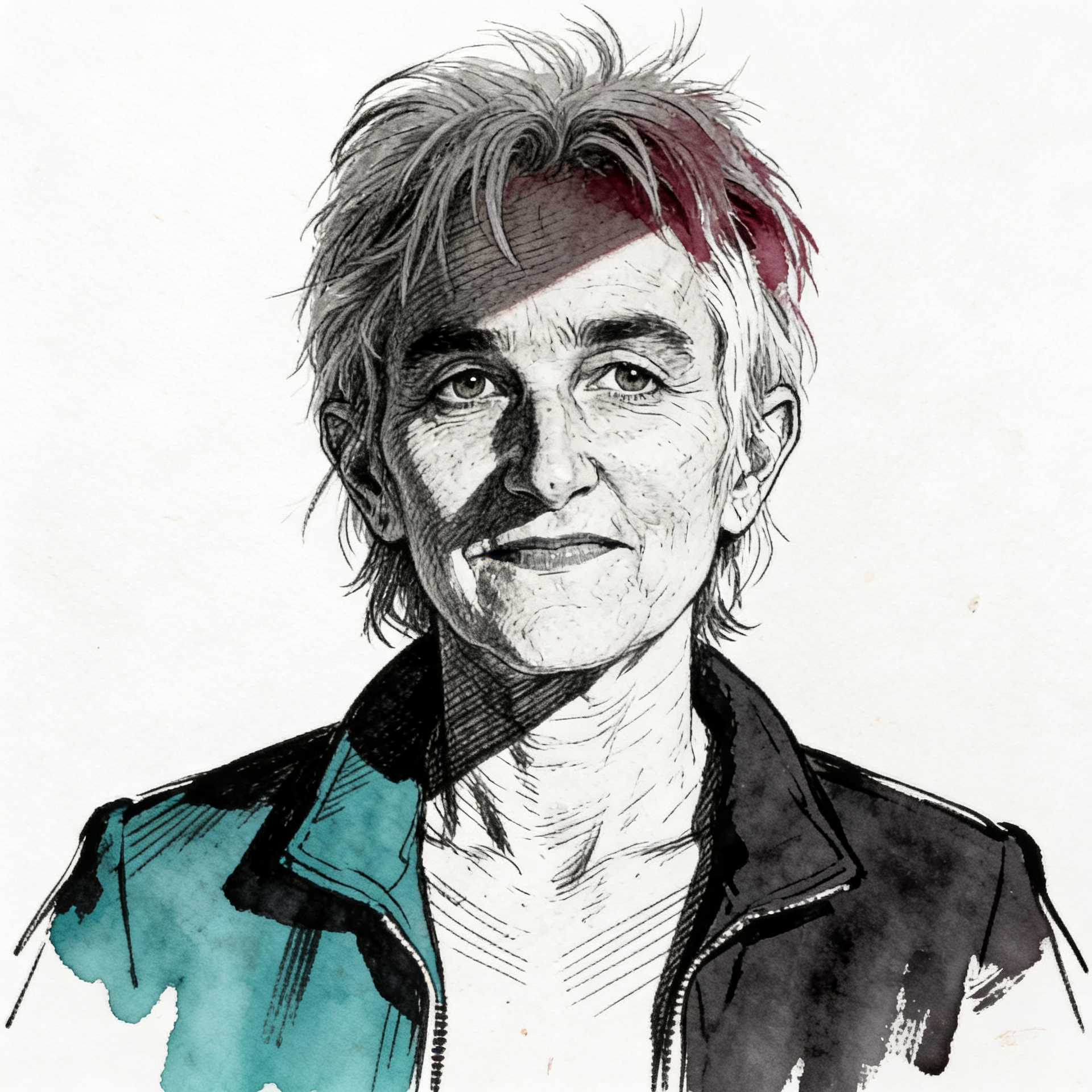
Marion Koopmans
Erasmus MC virologist and WHO STAG-IH member; One Health authority whose work predicted the dairy-herd H5N1 surveillance failure.
Last refreshed: 28 July 2026 · Appears in 1 active topic
Did the udder-tropism finding confirm Koopmans's long-standing argument that H5N1 surveillance is structurally blind to animal reservoirs?
Timeline for Marion Koopmans
Why H5N1 hid in cow udders
Pandemics and BiosecurityBarnyard germ appears to spread in EU saunas
Pandemics and BiosecurityMentioned in: Kenyan court halts US quarantine site
Pandemics and BiosecurityIdaho dairy H5N1: 1 to 59 herds in twelve days
Pandemics and BiosecurityBackground
Marion Koopmans is Professor and Head of Viroscience at Erasmus Medical Centre in Rotterdam, and a member of the WHO Strategic and Technical Advisory Group for Infectious Hazards (STAG-IH). One of Europe's most prominent virologists, she has led or contributed to the scientific response to every major zoonotic outbreak of the past two decades, including MERS-CoV, H5N1, and the investigation of SARS-CoV-2 origins. Erasmus MC maintains one of the world's leading BSL-4 virology programmes, giving her research access few other European laboratories can match.
Koopmans is the leading European advocate for the One Health framework, which treats human, animal, and environmental health as inseparable systems requiring integrated surveillance. Her argument across MERS, H5N1, and SARS-CoV-2 is the same: detection systems that work inside human health do not extend into agricultural or wildlife reservoirs, so spillover events are identified only after sustained human transmission has already begun.
The Science Advances finding that H5N1 binds N-linked sialic acid receptors concentrated in cow udder tissue, allowing the virus to circulate undetected for approximately two years across roughly 1,053 US dairy herds by presenting as mastitis rather than respiratory illness, is precisely the structural surveillance failure Koopmans has described for a decade. Her STAG-IH membership means her assessments directly shape WHO's public risk communications on H5N1 and on novel pathogens, including the Dermatophilus congolensis cluster that ECDC confirmed had achieved human-to-human transmission across six countries by June 2026. As a member of the WHO-convened group investigating SARS-CoV-2 origins, Koopmans has pressed publicly for better access to early outbreak data from all member states, a position at the centre of debates over WHO's information-sharing authority under the IHR and the Pandemic Agreement. Her combined STAG-IH role and laboratory standing place her at the intersection of the scientific and institutional decisions shaping how the world responds to simultaneous outbreaks.
Who is Marion Koopmans?
What is One Health and why does it matter for pandemic prevention?
What did Koopmans conclude about the origins of COVID-19?
Why did H5N1 spread so widely in US dairy cattle before anyone noticed?
Who is Marion Koopmans and why does she matter for pandemic preparedness?
What is the One Health approach to infectious disease surveillance?
What role did Marion Koopmans play in the SARS-CoV-2 origins investigation?
What is WHO STAG-IH and what does it advise on?
What is the One Health approach to pandemic prevention?
Why did H5N1 spread in US dairy cows without being detected?
What does the WHO STAG-IH group do?
Who is investigating where COVID-19 came from?

