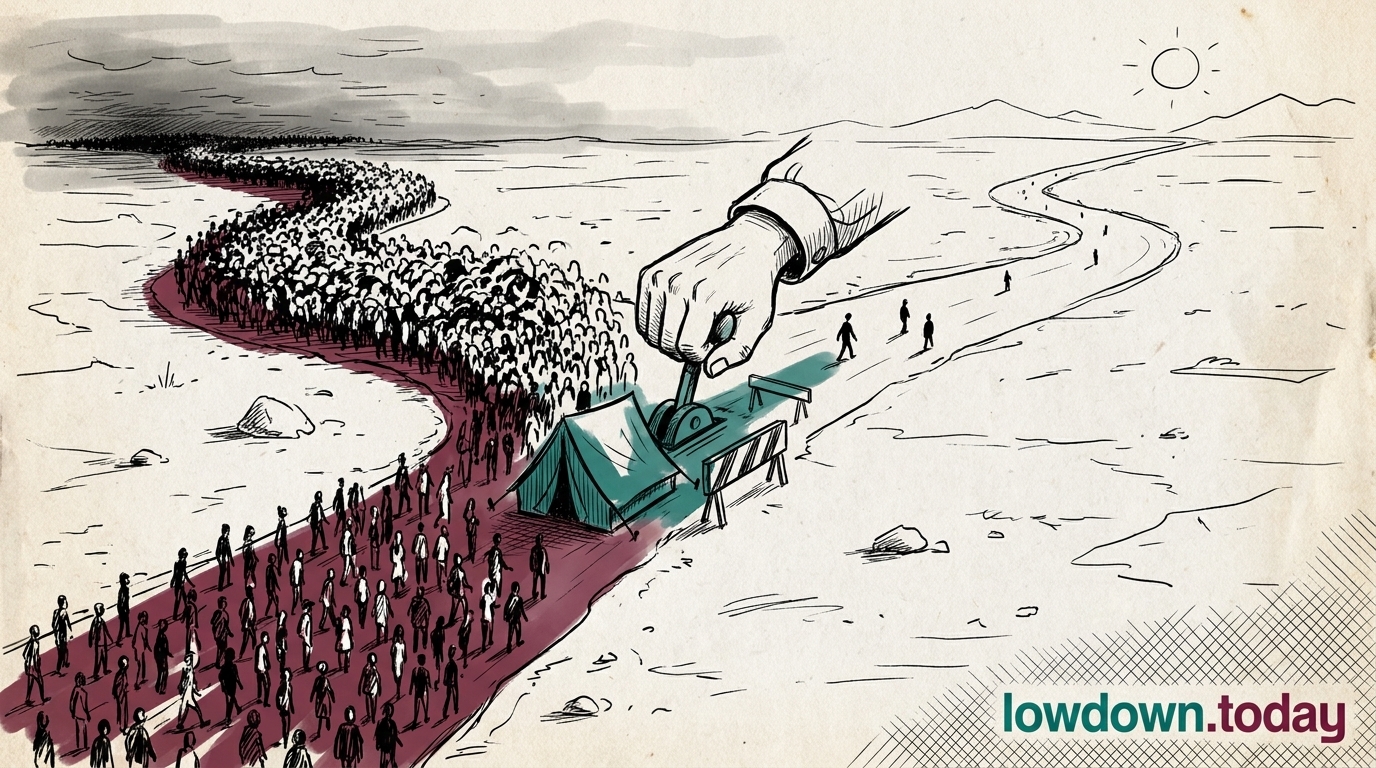
The Food and Agriculture Organization (FAO), the UN's Rome-based agency for food and farming, put a price on inaction over AMR (antimicrobial resistance, the process by which bacteria stop responding to the drugs meant to kill them) on 3 June. Its report projects global antimicrobial use in livestock rising 30% by 2040 against a 2019 baseline, and cumulative livestock production losses reaching $318bn by 2040 under a high-resistance scenario1. That $318bn runs about six times the cost of acting now.
May's adoption of the WHO Global Action Plan on AMR set a mortality target, a 10% cut in bacterial AMR deaths by 2030. FAO has now attached a balance-sheet figure to the alternative, routing the same problem through food-security economics to reach an audience that a death toll did not. The 6:1 inaction-to-action ratio is the lever, reframing mitigation spending as loss avoidance rather than public-health cost.
Cheap antibiotics keep crowded herds productive, so use climbs with demand for meat, and resistance follows the use, an unremarkable chain that the $318bn figure now prices. Pricing the loss in production rather than deaths is how the issue reaches the agriculture and finance ministries that control the antibiotics and that a public-health framing never reached.



