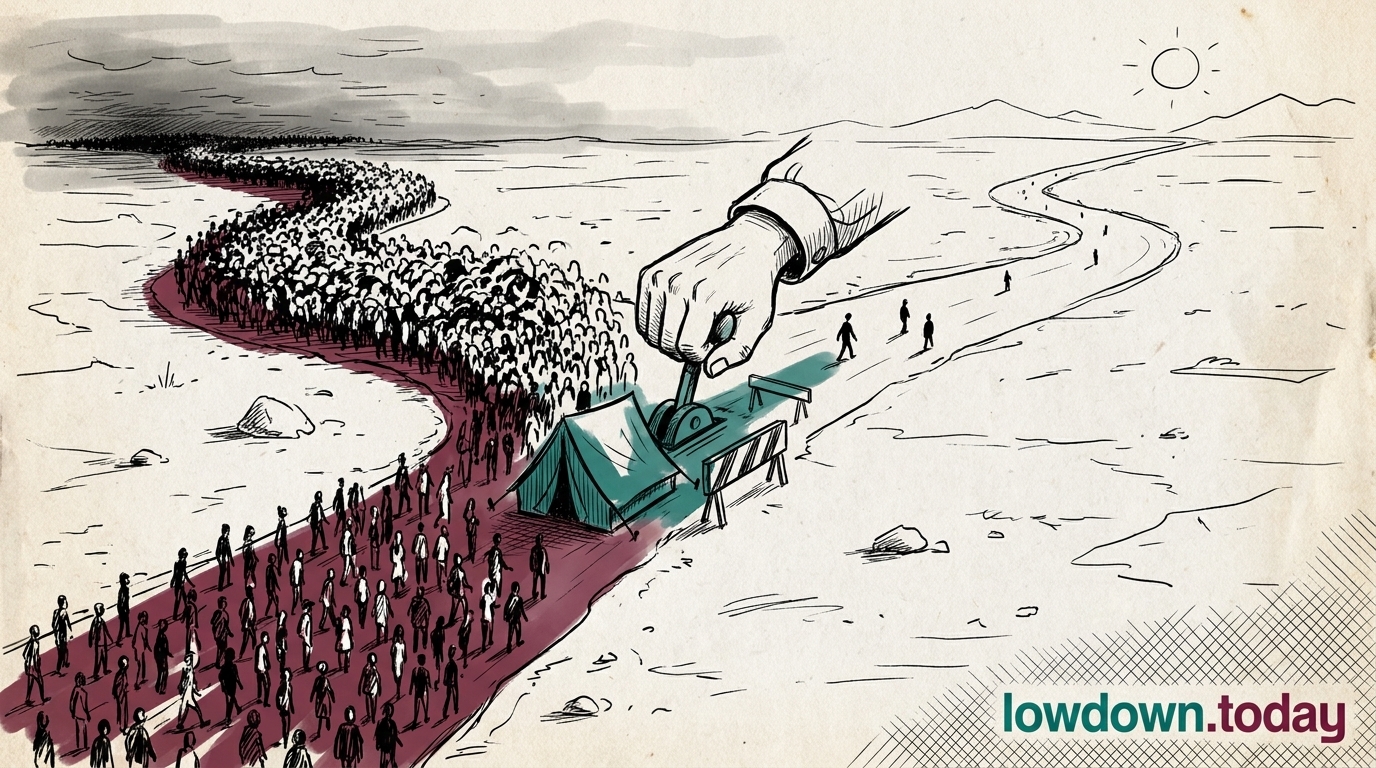
WHO's Regional Office for Africa reported on 24 August that testing capacity in DR Congo has risen from a single site to 19 laboratories processing more than 3,000 samples a day, and treatment capacity from fewer than 10 beds to more than 1,3001. Contact follow-up went from 9% in the first week to 84% on 18 August. The statement marks 100 days since the outbreak was declared, with cases now above 5,200 and an average of about 52 confirmed a day across the first hundred days. "Transmission is outpacing control efforts," the regional office said in the same statement2.
Put those two halves together and the simple version of this story disappears, the one where an outbreak grows because nothing was sent. Laboratories, beds and contact tracers all arrived. Around 60% of the 260 deaths a week recorded over the preceding six weeks happened in the community rather than in care. Africa CDC put that share at 66% of 1,033 deaths in late July. Two agencies, two periods, so the six-point gap is not a trend; neither figure sits anywhere near where a response needs it.
Those 60% dying outside care are where the capacity gain leaks away. Isolation coverage sat at 39% in mid-July, short of the 70% mark the response itself had set as the fork between containment and continued growth. A patient who dies at home is washed and buried by relatives at the moment the body carries the most virus, and every one of those funerals starts a new chain that no laboratory can catch until the next person presents. Beds only work on patients who reach them, and 84% contact follow-up describes the contacts a team already knows about.



