Skip to content
Welcome, thoughtbot's Giant Robots listeners!Start here
Nomads & Communities
17APR

Japan's lodging tax wave goes structural

3 min read
13:28UTC

Japan's accommodation tax model widened from 1 April 2026: Hokkaido introduced a three-tier prefecture tax of ¥100 to ¥500 per night, Sapporo stacked a city surcharge on top, and 15 Hokkaido municipalities, plus Hiroshima, Yugawara, Gifu and Toba, activated their own rates.

SocietyDeveloping
Key takeaway

Japan's accommodation tax has graduated from political instrument to standard prefectural finance, layering across central Japan itineraries.

Hokkaido introduced a three-tier accommodation tax of ¥100 to ¥500 per night on Wednesday 1 April 2026, with Sapporo adding a further ¥200 to ¥500 city surcharge on top. Fifteen separate Hokkaido municipalities have stacked their own layers above that. Hiroshima, Yugawara, Gifu and Toba activated rates between ¥200 and ¥500 the same day. Nagano, Kumamoto City and Miyazaki City received approval for June 2026 with rates not yet announced.⁠1

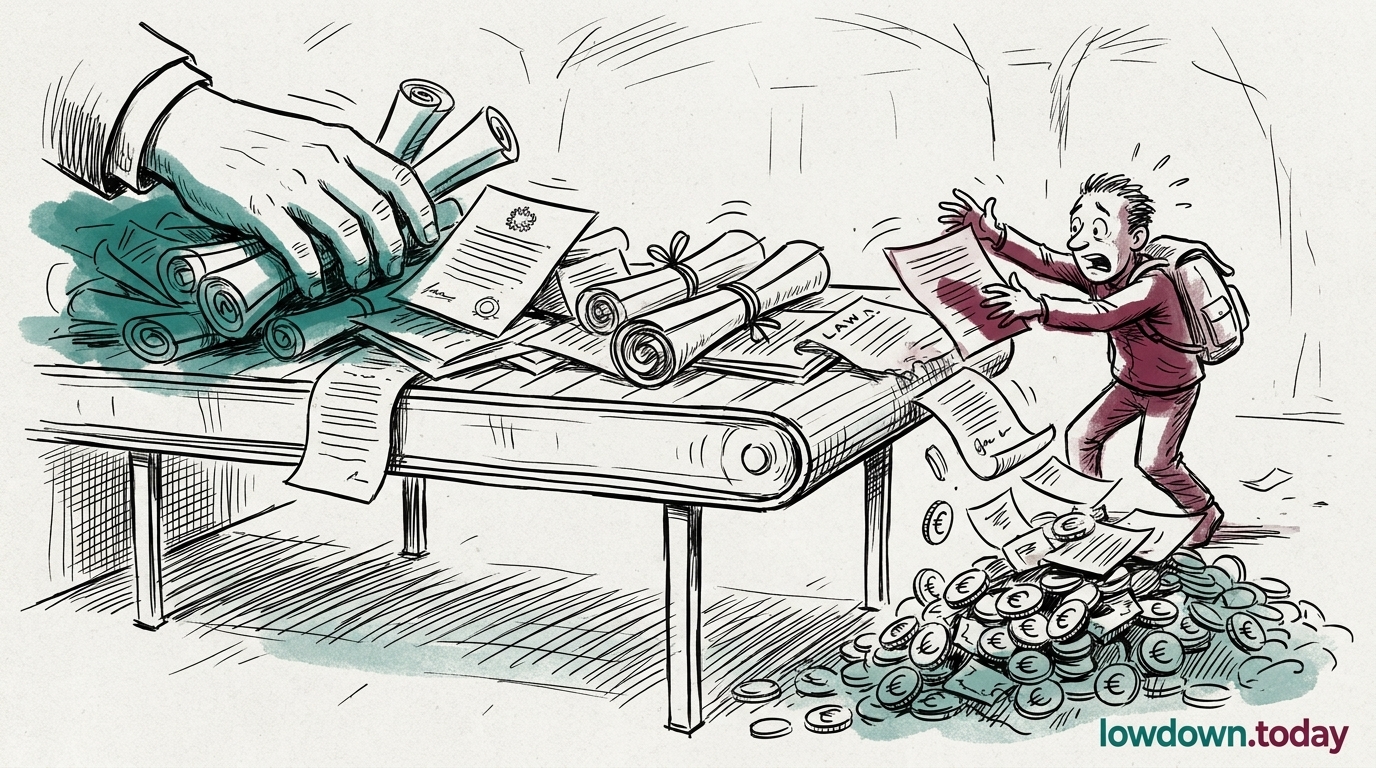
A nomad staying in Sapporo now pays three separate accommodation taxes on every hotel night: prefecture, city, and any municipality-level layer applicable to the property. The 1 April wave demonstrates the model at scale below the political-headline level: the user-pays accommodation-tax instrument has propagated into routine prefectural budgeting. Kyoto's earlier 900% top-tier rise was the political outlier that cleared the precedent; the spread to eight more prefectures and dozens of municipalities is the structural follow-through.

The arithmetic on a multi-week Japan stay has changed accordingly. A long-stay resident of central Japan now faces layered prefecture-plus-municipal taxes that compound across an ordinary itinerary, before the Sayonara Tax doubling and JR Pass increase land later in the year. None of the new rates approach the Kyoto premium-tier ceiling, but stacking is the point: small per-night charges that accumulate into a meaningful share of an extended-stay accommodation budget.

The June 2026 Nagano, Kumamoto and Miyazaki rates set the next test: do they land at Hokkaido's modest baseline or at the Kyoto premium-tier ceiling? A baseline outcome confirms Kyoto as outlier; a premium-tier outcome confirms it as the new floor for any prefecture with a tourism overhang and a budget gap.

Deep Analysis

In plain English

Japan charges a small tax on each night you stay in a hotel, hostel, or short-term rental. Until recently this was mostly a flat fee in a few cities like Tokyo and Kyoto. From 1 April 2026 the system expanded significantly. Hokkaido (the northern island) introduced a new prefectural tax. Sapporo, Hokkaido's main city, added another layer on top of that. Then fifteen smaller towns and cities within Hokkaido added their own layers on top of those two. Hiroshima, Gifu, Yugawara and Toba also started their own accommodation taxes on the same day. If you stay in Sapporo, you now pay three separate accommodation taxes per night: prefecture, city, and potentially a local municipality tax. A four-week stay in central Sapporo at a mid-range hotel adds roughly ¥19,600 to ¥28,000 in accommodation tax before any other Japan escalators land. This combination of taxes is now routine practice across Japan, not a special case. More regions (Nagano, Kumamoto, Miyazaki) have approval to start their own taxes in June 2026.

First Reported In

Update #3 · Twelve days to a split STR framework

Euronews· 8 May 2026
Read original →
Different Perspectives
UK Culture Secretary Lisa Nandy
Nandy told MPs around 3 September that England's register of short lets will be fully operational by March 2027. Wales opened compulsory registration for every paid stay on 1 October, with a deadline of 31 March 2027.
Venice budget assessor Michele Zuin
Zuin told Il Gazzettino on 21 September that a charge of about €30 on peak days from 2027 would be the most concrete solution. He added that the city must set new rules together with government and Parliament.
Saudi Premium Residency Center
The Center added 31 services on 22 September, according to the newspaper Okaz. Primary holders now register employment contracts through the Qiwa platform, and no Saudi Press Agency release confirms the package.
Greek prime minister Kyriakos Mitsotakis
Mitsotakis announced at the Thessaloniki International Fair on 5 September that new short-let registrations in central Athens and Thessaloniki stay suspended to 31 December 2027. No ministerial decision has been found, and golden-visa applications fell 39% from January to July.
Cape Town housing group Ndifuna Ukwazi
Ndifuna Ukwazi backs the city's draft by-law, which rates lets available over 183 nights a year as commercial from 1 July 2027. Finance mayco member Siseko Mbandezi said it ensures fairness in the commercial accommodation sector.
Klungkung Regency and KPK
Klungkung took 2.7bn rupiah on Nusa Penida from 1 to 9 September against 1.1bn in the first ten days of August. The Corruption Eradication Commission (KPK) sent files on eight suspects in a residence-permit extortion case to prosecutors on 30 September, alleging 145.5bn rupiah was taken.