Skip to content
You can now search across every topic, entity and event.What's new
Iran Conflict 2026
10APR

Grid strike deadline looms over Iran

2 min read
08:05UTC

The third energy ultimatum expires on 6 April with no extension announced. Previous deadlines were extended days in advance.

ConflictAssessed
Key takeaway

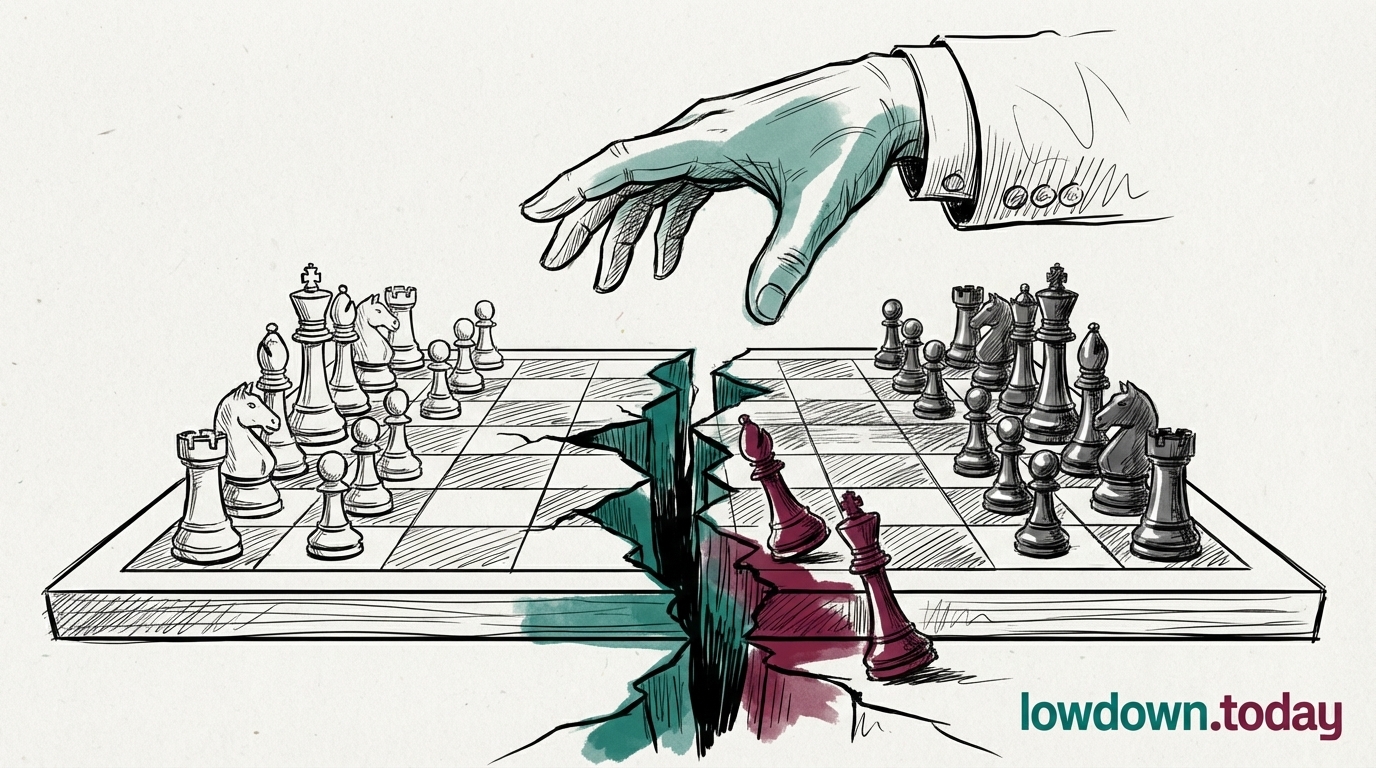
Enforcing the deadline fractures alliances; extending it again exhausts the threat.

Trump's third energy deadline expires at 8pm EDT on 6 April . Iran must reopen the strait of Hormuz or face strikes on 15 identified power grid nodes, a scenario analysts project would leave Iran without electricity until 2027. No extension has been announced as of 4 April morning. Prior extensions came two to three days in advance. 1

The deadline arrives in a changed context. France and Japan just transited Hormuz by paying Iran. The US lost its first aircraft. Iran's Majlis voted 221-0 to suspend IAEA cooperation . The previous two deadlines (16 March, 23 March) were extended; the third was set for 6 April on 27 March. Each extension eroded the threat's credibility.

Three outcomes: grid strikes, a fourth extension, or quiet abandonment. Enforcing it now would require strikes against civilian power infrastructure while allies actively pay Iran for passage. Not enforcing it would confirm the deadline mechanism is spent.

Deep Analysis

In plain English

Trump has three times set a deadline for Iran to reopen the Strait of Hormuz or face strikes on its power grid. The third deadline expires on 6 April. The previous two were extended at the last minute. As of 4 April, no extension has been announced, but France and Japan just paid Iran to use the strait. If Trump enforces the deadline, he strikes civilian infrastructure while allies are doing deals with Iran. If he extends again, the threat stops meaning anything.

Deep Analysis
Root Causes

Each deadline extension was driven by allied pressure and the absence of a clear enforcement trigger. France, Germany, and the UK lobbied against grid strikes on civilian infrastructure at each previous extension.

The Pakistan-Vance back-channel before Kharazi's wounding provided a diplomatic off-ramp that justified delay. Neither factor has been resolved; both have worsened as France and Japan's transits signal the collective posture is already broken.

What could happen next?
  • Risk

    Grid strikes on civilian power infrastructure would trigger a European and UN response that fractures remaining alliance support for the campaign.

    Immediate · High
  • Consequence

    A fourth extension would confirm the deadline mechanism is exhausted, removing coercive pressure on Iran permanently within this conflict.

    Short term · High
  • Opportunity

    Quiet abandonment of the deadline, without announcement, could allow face-saving de-escalation if paired with a back-channel ceasefire signal from Pezeshkian.

    Short term · Low
First Reported In

Update #58 · First US aircraft fall over Iran

CNBC / Al Jazeera / NPR· 4 Apr 2026
Read original
Different Perspectives
Qatar (mediator)
Qatar (mediator)
Qatari negotiators flew to Tehran on Sunday morning to close remaining gaps between the parties, operating as the primary shuttle channel. Qatar's role is to bridge the civilian-track gap the IRGC veto has left.
IAEA / Rafael Grossi
Grossi replied to Araghchi's 13 June protection-of-materials letter the same day, citing Iran's NPT Safeguards Agreement obligation to declare any nuclear material transfer. With 97 days of lost inspector access and approximately 240 kg unaccounted, Grossi has treaty text and no inspectors on the ground to enforce it.
United Arab Emirates
The UAE state oil company assessed full Hormuz flows will not resume until 2027 even with a fast deal, citing demining, inspection, and insurance timelines. The UAE ambassador to Washington said a simple ceasefire is not enough.
Islamic Revolutionary Guard Corps (IRGC)
The IRGC ran naval exercises in Hormuz during Geneva talks and its political deputy declared Iran was negotiating from a position of strength. The corps has not endorsed the MoU; by amplifying Mashhad protests through Fars, it is framing any deal as conditions it imposed rather than a concession it accepted.
Iran Foreign Ministry / Araghchi
Araghchi's dilute-in-Iran red line was met by the US concession, but his foreign ministry spokesman said Tehran had not taken a final decision and a signing might come in days, not Sunday. Araghchi separately wrote to the IAEA pledging to protect nuclear materials as dilution negotiations advanced.
White House / US negotiating team
Washington accepted dilution inside Iran rather than ship-out, its first substantive material concession in 106 days, the New York Times reported. With the White House register blank and the ceremony slipped a third weekend, the administration has moved its negotiating position without yet producing a document.